
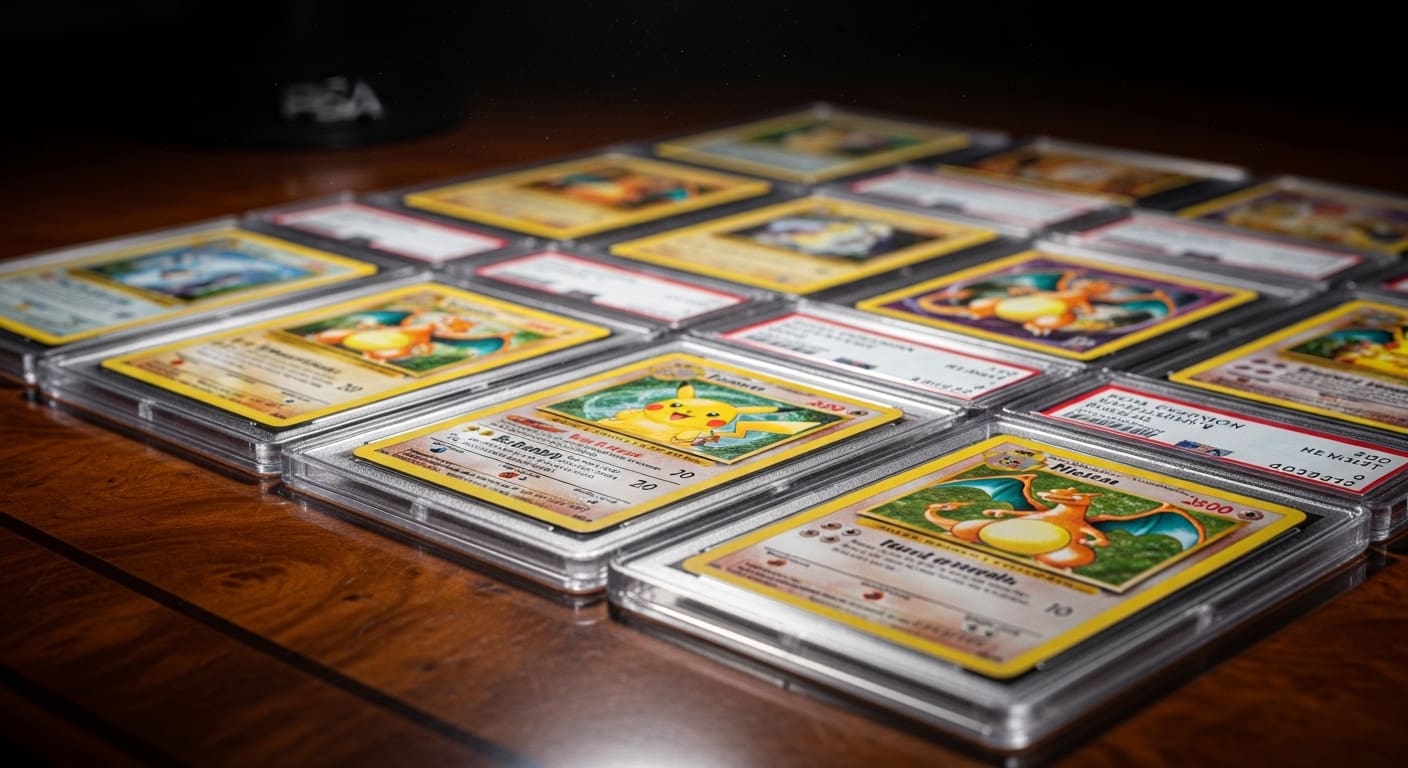

Pokémon cards have fascinated fans for more than two decades. From their humble beginnings as a fun game for kids in the 1990s, they have grown into a global collectible phenomenon. Pokémon cards are more than just trading cards—they are a mix of nostalgia, strategy, and sometimes even investment. Some rare Pokémon cards now sell for thousands or even millions of dollars, making them highly sought after by collectors worldwide.
This article will guide you through the history of Pokémon cards, the types of cards, collecting tips, and how to determine their value.
A Brief History of Pokémon Cards
The Pokémon Trading Card Game (TCG) was first released in 1996 in Japan. The game allowed players to battle using cards that represented Pokémon characters, their abilities, and attacks. The TCG quickly spread to other countries, becoming popular in the United States and Europe by 1998.
Over time, Pokémon cards became more than just a game—they became collectibles. Early cards from the 1990s, especially first edition cards, are now considered extremely valuable. Some were printed in limited numbers or given as prizes in competitions, making them rare.
Types of Pokémon Cards
There are several types of Pokémon cards, each with different purposes and collectible value:
1. Common Cards
Common cards are the easiest to find. They often have a circle symbol at the bottom right corner. While they may have sentimental value, they usually have little monetary value unless they are part of a limited edition set.
2. Uncommon Cards
Uncommon cards are slightly rarer than common cards. They usually have a diamond symbol. Collectors often seek these cards to complete a set.
3. Rare Cards
Rare cards have a star symbol. These include holographic cards, first editions, or special promo cards. Rare cards often hold significant value, especially if they feature popular Pokémon like Pikachu or Charizard.
4. Holographic Cards
Holographic cards have shiny, reflective surfaces. They are often part of rare or promotional sets and are highly collectible.
5. Promo and Limited Edition Cards
These cards are often given out as tournament prizes, special promotions, or contest awards. Because of their limited supply, they can become extremely valuable over time.
Why Pokémon Cards Are Collectible
Several factors make Pokémon cards collectible:
- Rarity: Cards printed in limited quantities or for special events are rare and highly sought after.
- Character Popularity: Popular Pokémon, like Pikachu, Charizard, and Mewtwo, are more desirable.
- Condition: Cards in perfect condition—without scratches, creases, or bends—are worth more.
- Age: Older cards from the 1990s and early 2000s are highly valuable.
- Nostalgia: Many adult collectors buy cards to reconnect with their childhood memories.
How to Store and Protect Pokémon Cards
Proper storage is crucial for maintaining a card’s value. Here are tips to protect your collection:
- Use protective sleeves to avoid scratches.
- Store valuable cards in hard plastic cases or graded slabs.
- Keep cards in a cool, dry place, away from sunlight and moisture.
- Avoid bending or touching the card surfaces directly.
Collectors who take these precautions can preserve their cards for decades, keeping their condition near-perfect.
How to Identify Valuable Pokémon Cards
If you own Pokémon cards, some might be worth more than you think. Here’s how to identify them:
- Check the edition: First edition and promotional cards are often more valuable.
- Look at the character: Popular Pokémon like Charizard, Pikachu, and Mewtwo usually sell for higher prices.
- Examine the condition: Cards without damage are worth more.
- Check the year: Older cards, especially from the 1990s, tend to be rare.
- Check for holographic effects: Shiny cards usually have higher collectible value.
Pokémon Cards as an Investment
Many collectors now view Pokémon cards as an investment. Rare cards can increase in value over time. Some collectors have made significant profits by buying cards when they were inexpensive and selling them later.
However, investing in Pokémon cards carries risks. Market trends can fluctuate, and not every card will increase in value. For most collectors, the joy of collecting and the excitement of finding rare cards should be the main focus.
Modern Pokémon Cards and Collecting Trends
While older cards are highly valuable, modern Pokémon cards can also be worth money. Limited edition releases, shiny versions, and cards with unique artwork can become collectibles. Many collectors enjoy combining classic cards with modern ones to create a diverse collection.
Some modern Pokémon cards are also designed for competitive play. Players who participate in tournaments often seek specific cards to enhance their decks, increasing the value of certain rare cards.
Tips for Beginners Collecting Pokémon Cards
If you are new to Pokémon card collecting, here are some tips to get started:
- Start with your favorite Pokémon: Collecting cards of Pokémon you love keeps the hobby enjoyable.
- Buy starter packs and booster packs: These are a good way to find rare cards.
- Keep cards organized: Use binders, sleeves, and cases to stay organized.
- Track the market: Check online marketplaces to see which cards are valuable.
- Attend events: Tournaments and conventions are great for trading and discovering rare cards.
Final Thoughts
Pokémon cards have grown far beyond a simple game. They are collectible items, nostalgic treasures, and sometimes serious investments. Rare cards like first edition Charizard, Pikachu, or holographic promo cards can fetch impressive prices in today’s market.
Whether you are a beginner or an experienced collector, Pokémon cards offer endless opportunities for fun, creativity, and potentially valuable investments. The thrill of discovering a rare card or completing a collection is part of the magic that has kept Pokémon fans engaged for more than 25 years.
Frequently Asked Questions (FAQs)
Q1: Which Pokémon cards are the most valuable?
Older first edition cards, holographic Charizard, and special promo cards are often the most valuable.
Q2: Can modern Pokémon cards be valuable?
Yes, limited edition releases and shiny cards can also be collectible.
Q3: How should I store my Pokémon cards?
Use protective sleeves, hard plastic cases, and store them in a dry, cool place.
Q4: Are Pokémon cards a good investment?
Some rare cards can be valuable over time, but the main focus should be enjoyment and collecting.
Q5: How can I tell if a card is rare?
Check the edition, character, year, holographic effect, and condition.