
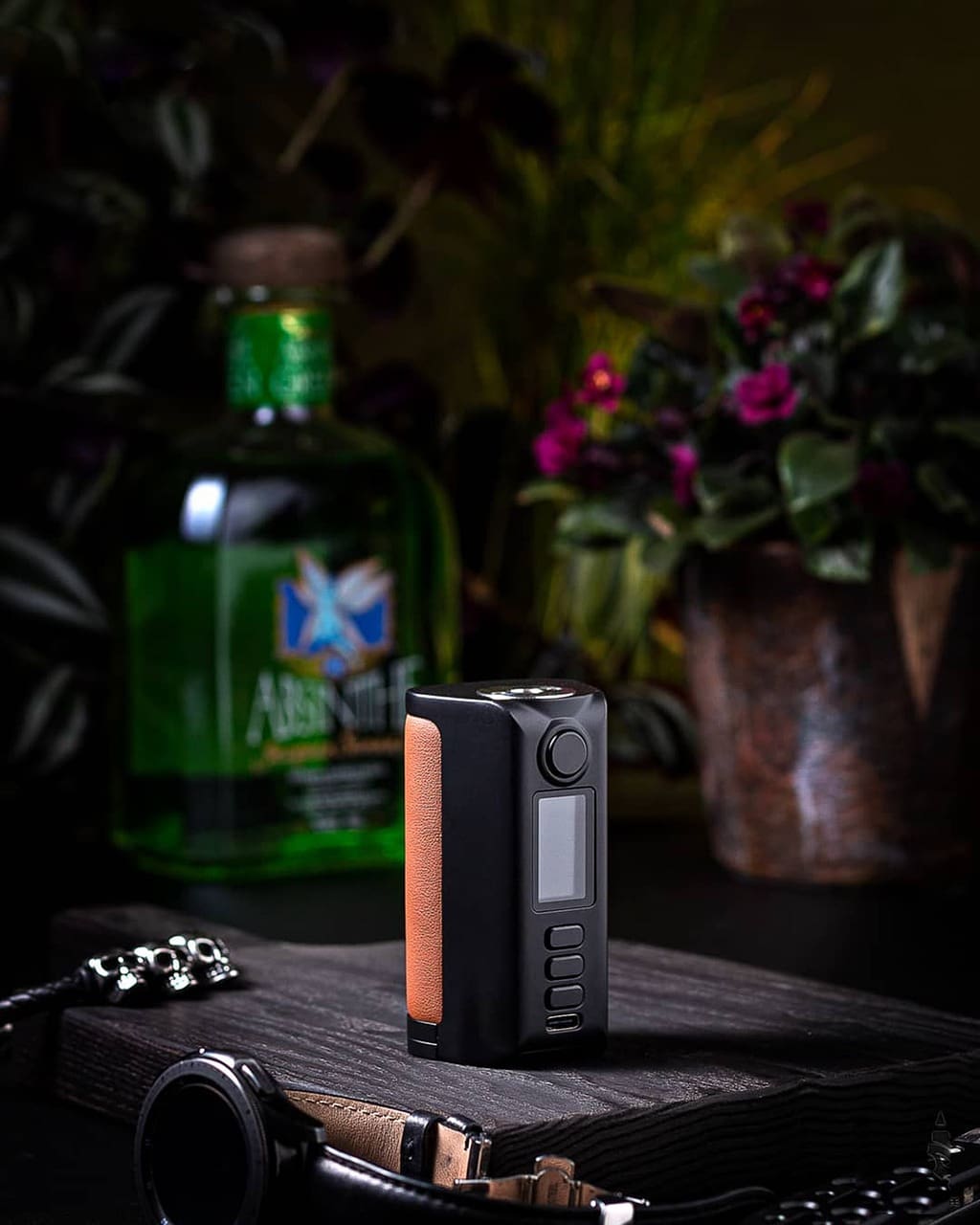
Introduction to Vape Pod Technology
Vaping has evolved significantly over the past decade, and one of the most innovative developments in this industry is the creation of modern vape pods. Unlike traditional e-cigarettes, vape pods are compact, efficient, and user-friendly, making them an ideal choice for both beginners and experienced vapers. The technology behind these devices combines sophisticated engineering, advanced materials, and intelligent design to deliver a consistent and satisfying vaping experience.
Exploring Modern Alternatives for Smokers
In today’s world, many individuals are shifting from traditional smoking methods to more advanced and stylish options. These modern solutions offer convenience, portability, and a variety of flavors that appeal to both new and experienced users. One popular choice among enthusiasts is visiting a vapes store, where they can explore a wide range of devices, e-liquids, and accessories tailored to different preferences. These stores often provide expert guidance to help customers choose the right product for their lifestyle. With growing awareness about health and technology, these innovative options are transforming the smoking experience for many people.
The Core Components of Vape Pods
Modern vape pods consist of three essential components: the pod cartridge, the coil, and the battery. Each plays a crucial role in how the device functions. The pod cartridge serves as the container for the e-liquid and houses the coil and wicking material. The coil, typically made of metal such as stainless steel, nickel, or kanthal, is responsible for heating the e-liquid and transforming it into vapor. The battery powers the coil and can vary in capacity depending on the device’s design. Together, these components work seamlessly to provide smooth vapor production and flavor delivery.
The Role of Advanced Coils
At the heart of any vape pod is the coil, and this is where much of the technological innovation lies. Modern coils use precision-engineered resistance levels to optimize flavor and vapor output. Mesh coils, which have become increasingly popular, utilize a fine metallic mesh instead of a traditional wire. This design provides even heating across the surface area, resulting in better flavor consistency and reduced chances of burning the wick. Additionally, manufacturers have developed temperature control coils that allow users to maintain a steady heat level, ensuring a safer and more enjoyable vaping experience.
Smart Chipsets and Power Management
One of the defining features of today’s vape pods is the inclusion of smart chipsets. These miniaturized circuit boards regulate power delivery, control temperature, and monitor the overall performance of the device. Chipsets prevent overheating, short-circuiting, and dry hits by automatically adjusting the wattage based on coil resistance and battery life. Some high-end vape pods even include puff counters, LED indicators, and adjustable airflow settings controlled by microprocessors. This integration of smart technology enhances safety, efficiency, and customization for users.
Battery Efficiency and Fast Charging
Battery innovation plays a major role in the convenience and portability of vape pods. Most devices now use lithium-ion or lithium-polymer batteries, which provide high energy density and extended battery life. Some vape pods are equipped with USB-C fast-charging capabilities, allowing users to recharge their devices within minutes. Manufacturers have also focused on improving power efficiency by optimizing voltage output, ensuring longer usage time without compromising performance. This technological refinement has made vape pods highly practical for daily use.
E-Liquid Delivery and Pod Design
The design of the pod itself has undergone continuous improvement to enhance the vaping experience. Modern pods use leak-resistant structures with silicone seals and magnetic connections to ensure secure attachment and prevent spills. Some pods feature adjustable airflow systems that allow users to customize draw resistance, catering to both mouth-to-lung and direct-lung vaping preferences. The wicking material, often made from organic cotton or ceramic, ensures efficient absorption of e-liquid, providing consistent flavor delivery with every puff. Refillable pods also promote sustainability, reducing waste and allowing users to experiment with different e-liquids.
Temperature Control and Safety Mechanisms
Temperature control is another technological advancement that has greatly influenced vape pod design. By regulating the temperature of the coil, devices can prevent overheating and burnt hits, which can compromise both taste and safety. Modern vape pods often include built-in sensors that detect when the e-liquid is running low or when the coil is overheating. These safety mechanisms not only extend the lifespan of the device but also protect users from potential malfunctions. Some devices automatically shut off after a few seconds of continuous use to prevent overheating and conserve battery power.
The Integration of Airflow Systems
Airflow plays a significant role in how vapor is produced and how smooth each draw feels. Advanced vape pods now feature adjustable airflow systems that allow users to fine-tune their vaping experience. By modifying the airflow, users can control vapor density, flavor intensity, and throat hit. Engineers have optimized these systems using computational fluid dynamics, ensuring minimal turbulence and maximum efficiency in vapor production. This precision-engineered airflow technology enhances the overall satisfaction of each puff, offering a customizable experience tailored to individual preferences.
Materials and Build Quality
The materials used in constructing modern vape pods are another testament to technological advancement. Manufacturers use lightweight yet durable materials such as aluminum alloys, zinc, and high-grade plastics to ensure portability without sacrificing strength. Pods designed with food-grade materials ensure that e-liquid remains pure and uncontaminated. Some high-end devices incorporate ergonomic designs with smooth finishes and tactile surfaces, improving grip and comfort during use. This attention to material science contributes to both the aesthetics and functionality of modern vape pods.
The Rise of Nicotine Salts and Compatibility
The introduction of nicotine salt e-liquids has influenced the technology behind vape pods. Unlike traditional freebase nicotine, nicotine salts provide a smoother throat hit and faster nicotine absorption. Vape pod systems have been optimized to operate at lower wattages, making them ideal for nicotine salt formulations. This synergy between e-liquid chemistry and device design has revolutionized the vaping industry, allowing users to experience a more satisfying nicotine intake with minimal irritation.
Future Innovations in Vape Pod Technology
As technology continues to advance, the future of vape pods looks promising. Manufacturers are exploring features such as Bluetooth connectivity, app integration, and AI-driven vaping analytics. These technologies could allow users to monitor their vaping habits, track puff counts, and receive maintenance reminders directly from their smartphones. Additionally, advancements in battery chemistry and sustainable materials are expected to make vape pods even more eco-friendly and efficient. The fusion of digital innovation and vaping design will continue to shape the next generation of vape devices.
Conclusion
The technology behind modern vape pods showcases the perfect blend of science, engineering, and user-centered design. From advanced coils and smart chipsets to leak-resistant pods and efficient batteries, every component works together to create a smooth, flavorful, and reliable vaping experience. As the industry evolves, continued innovation will likely bring even smarter, safer, and more sustainable devices to the market. Vape pods stand as a testament to how technology can transform a simple concept into a highly refined and enjoyable product for users worldwide.