

The humble futon has become a staple in college dorms, studio apartments, and guest rooms across America. But this versatile piece of furniture has a rich history that spans over a thousand years, evolving from ancient Japanese sleeping traditions to the space-saving solutions we know today.
Understanding the origins of futons reveals why they’ve remained popular for centuries and continue to be a practical choice for modern living spaces.Ancient Beginnings in Japan
The futon’s story begins in ancient Japan, where sleeping arrangements differed dramatically from Western traditions. During the Nara period (710-794 AD), wealthy Japanese families slept on raised platforms called “shindai,” but common people rested directly on tatami mats covering the floor.
The traditional Japanese futon, known as “shikibuton,” emerged during the Heian period (794-1185 AD). These weren’t the folding furniture pieces we recognize today, but rather thin cotton mattresses designed to be laid directly on tatami floors. Japanese families would roll up their futons each morning and store them in closets called “oshiire,” maximizing living space in their compact homes.
This daily ritual of folding and storing bedding reflected Japanese principles of minimalism and efficient space usage—concepts that would later make futons appealing to Western consumers facing similar space constraints.The Journey to the West
Futons remained uniquely Japanese for centuries until Western interest in Japanese culture grew during the mid-20th century. American servicemen stationed in Japan after World War II encountered these space-saving sleep solutions and began bringing the concept back home.
However, Western futon manufacturers adapted the original design to suit different cultural preferences and living situations. Rather than thin mattresses stored daily, Western futons became thick, cushioned pieces that folded into sofas. This innovation addressed the American desire for dual-purpose furniture that could serve both seating and sleeping functions.The Modern Futon Revolution
The 1960s counterculture movement embraced futons as symbols of simplicity and alternative living. Young Americans appreciated their affordability, versatility, and connection to Eastern philosophy. College students, in particular, found futons perfect for small dormitory spaces where every square foot mattered.
By the 1980s, futon shops began appearing in cities across America, offering various styles from traditional cotton-filled versions to modern designs with innerspring construction. These specialized retailers understood that customers wanted to buy a futon that matched their specific needs—whether for daily sleeping, occasional guest accommodation, or stylish apartment living.Contemporary Futon Design
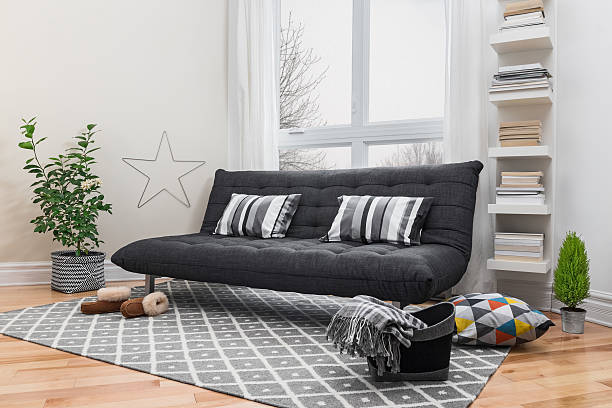
Today’s futons bear little resemblance to their ancient Japanese ancestors. Modern versions feature sturdy wooden or metal frames that easily convert between sofa and bed positions. Manufacturers offer countless fabric options, from classic cotton to sophisticated microfiber, allowing customers to order a futon that complements their décor.
Contemporary futons also address comfort concerns that plagued earlier Western versions. Advanced cushioning systems, better frame construction, and ergonomic design elements have transformed futons from purely practical solutions into genuinely comfortable furniture pieces.Why Futons Endure
Several factors explain the futon’s lasting popularity. Their space-saving design remains invaluable in urban environments where square footage comes at a premium. Young professionals furnishing their first apartments appreciate futons’ affordability compared to buying separate sofas and beds.
The versatility factor cannot be overstated. A quality futon serves as comfortable seating during the day and provides a decent sleeping surface for guests or daily use. This dual functionality appeals to minimalists and practical consumers alike.Finding Your Perfect Futon
When shopping for futons today, consumers have more options than ever. Local futon shops offer hands-on testing opportunities, while online retailers provide extensive selection and convenient delivery. Whether you buy a futon for a teenager’s room, a studio apartment, or a guest bedroom, modern options cater to every need and budget.
The key lies in understanding your specific requirements—frequency of use, available space, and comfort preferences—before making your selection.A Timeless Solution for Modern Living
From ancient Japanese sleeping mats to contemporary convertible furniture, futons have continuously evolved while maintaining their core appeal: maximizing functionality in minimal space. Their thousand-year journey reflects humanity’s ongoing quest for practical, versatile living solutions.
As living spaces continue shrinking and housing costs rise, the futon’s relevance only grows stronger, proving that sometimes the best innovations are simply clever adaptations of time-tested ideas.