
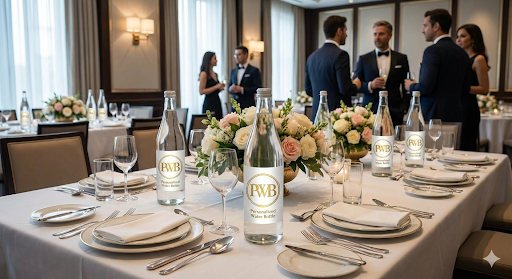
In the hyper-competitive modern business ecosystem, branding has evolved far beyond the confines of digital advertisements and billboards. Today, the most successful brands are those that integrate themselves into the daily lives of their stakeholders through “Utility-Based Branding.” This strategy focuses on providing high-value, functional items that serve a purpose while reinforcing brand identity.
One of the most effective tools in this arsenal is the personalized water bottle. While it may seem like a simple accessory, its impact on corporate wellness, environmental sustainability, and brand recall is profound. This article explores why businesses are shifting toward personalized hydration solutions and how this trend is reshaping the corporate landscape.
1. The Shift Toward Employee-Centric Branding
For decades, corporate “swag” was often synonymous with low-quality, disposable items that ended up in desk drawers or landfills. However, the modern workforce—driven largely by Millennial and Gen Z values—demands more. They value authenticity, health, and individual recognition.
Personalization is the key to meeting these demands. When a company provides an employee with a high-quality water bottle engraved with their name, it transforms a generic gift into a personal asset. This fosters a sense of belonging and shows that the organization views the employee as an individual, not just a cog in the machine. In an era of remote and hybrid work, these tangible touchpoints are essential for maintaining a cohesive company culture.
2. Hydration: The Hidden Pillar of Productivity
From a management perspective, the health of the workforce is a direct driver of the bottom line. Research consistently shows that even mild dehydration can lead to significant cognitive decline. According to studies in occupational health, a mere 2% drop in hydration can result in:
• Reduced Concentration: Employees find it harder to focus on complex tasks.
• Increased Fatigue: The dreaded “afternoon slump” is often exacerbated by lack of water.
• Impaired Memory: Short-term recall and data processing speeds are noticeably slower.
By providing personalized water bottles, companies provide a constant visual cue for employees to stay hydrated. Because the bottle is personalized and high-quality, employees are more likely to keep it on their desks, ensuring that peak mental performance is maintained throughout the workday.
3. Sustainability as a Brand Statement
Corporate Social Responsibility (CSR) is no longer a peripheral concern; it is a core business strategy. Investors, clients, and employees are increasingly scrutinizing a company’s environmental footprint. The transition away from single-use plastics is one of the most visible ways a company can demonstrate its commitment to the planet.
A single reusable bottle can replace hundreds of plastic bottles per year. When a company scales this across an entire department or organization, the environmental impact is measurable. By using a personalized water bottle as a corporate standard, a business creates a “walking billboard” for its sustainability values. It tells the world that the company is forward-thinking and environmentally conscious.
4. The ROI of High-Quality Personalization
Marketing managers are often tasked with calculating the Return on Investment (ROI) of promotional items. Traditional ads have a short lifespan, but a premium, vacuum-insulated stainless steel bottle can last for years.
• Brand Impressions: Every time an employee takes their bottle to the gym, a coffee shop, or a client meeting, your brand gets a “soft” impression. Unlike a digital ad that people try to skip, a high-quality bottle is an object of envy and a conversation starter.
• Durability and Longevity: Investing in a premium product ensures that the “Cost Per Impression” drops significantly over time. A $30 bottle that lasts 5 years is far more cost-effective than a $2 plastic pen that breaks in a week.
5. Customization: Technical Excellence in Branding
To truly reap the benefits of this strategy, the quality of personalization must be top-tier. Gone are the days of cheap screen prints that peel off after three washes. Modern corporate branding utilizes:
• Laser Engraving: This provides a permanent, elegant look that feels premium to the touch. It doesn’t wear off, ensuring the brand remains intact for the life of the product.
• Powder Coating: This adds a durable, grippy texture to the bottle, making it more functional for active lifestyles.
• Digital Printing: For brands that require vibrant, full-color logos, advanced digital printing allows for complex designs without sacrificing the integrity of the bottle.
6. Implementation Across Business Verticals
The versatility of personalized hydration makes it applicable across various industries:
• Tech and Startups: Perfect for onboarding kits to build immediate “team” vibes.
• Real Estate: A sophisticated closing gift for new homeowners that keeps the agent’s name in the client’s home daily.
• Health and Fitness: Gyms and wellness centers can offer personalized bottles as part of premium membership tiers.
• Education: Universities can use them to foster school spirit among alumni and new students.
7. Strategic Gifting for Clients and Partners
While internal use is vital, the power of a personalized gift for high-value clients cannot be overstated. Sending a client a generic gift basket is forgettable. Sending a client a high-end, vacuum-insulated bottle with their name and a subtle mention of your partnership is a power move. It shows attention to detail and a commitment to quality—traits that every client looks for in a business partner.
Conclusion: The Future is Personal
As we move further into 2024 and beyond, the trend of personalization will only continue to grow. Consumers and employees alike are looking for products that reflect their identity and their values. By integrating personalized water bottles into your corporate strategy, you are hitting a “trifecta” of business success: improving employee wellness, championing sustainability, and building a durable brand.
In the end, branding isn’t about what you say; it’s about what you do. Providing a tool that helps people live better, healthier lives is the ultimate brand statement.