
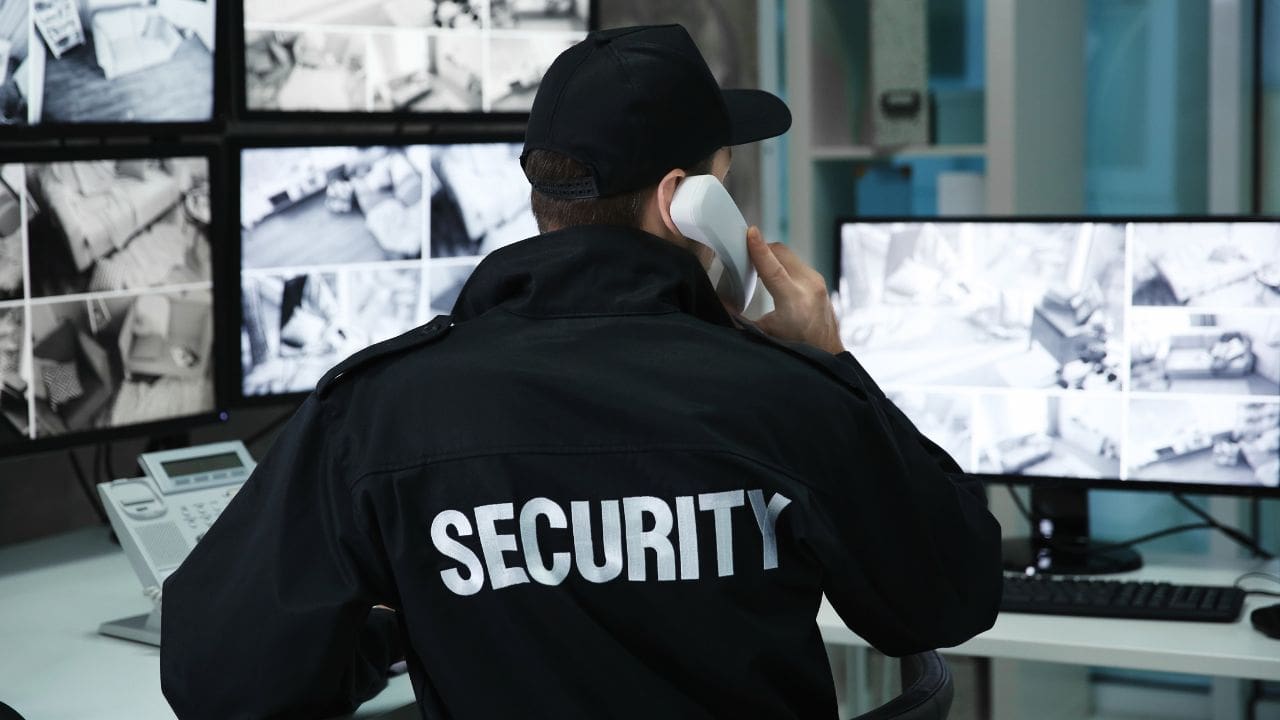
In Southern California’s complex business landscape, where innovation meets opportunity and risk, forward-thinking companies recognize that security represents far more than a defensive expense—it’s a strategic investment protecting assets, employees, and brand reputation. As commercial crime evolves and workplace safety concerns intensify, professional security guards have become indispensable business partners across the region’s diverse industries.
The Evolving Role of Commercial Security Guards
Today’s business security guards bear little resemblance to the stereotypical night watchman. Modern security professionals serve as risk managers, customer service ambassadors, emergency responders, and operational assets who actively contribute to business success rather than simply preventing losses.
Southern California businesses face unique security challenges stemming from the region’s demographics, geography, and economic diversity. Dense urban centers like Los Angeles and San Diego experience sophisticated organized retail crime. Suburban office parks in Orange County and the Inland Empire deal with property crime and after-hours vulnerabilities. Coastal tourist areas contend with high foot traffic and transient populations. Professional security guards adapt their approach to these varied environments, providing protection calibrated to specific business needs.
The value proposition extends beyond crime prevention. Security guards enhance customer experiences, assist with operational logistics, provide immediate emergency response, and serve as visible reassurance that businesses prioritize safety. In competitive markets where customers choose between similar offerings, the security presence can differentiate your business as the safer, more professional option.
Industry-Specific Security Guard Applications
Different Southern California industries require specialized security approaches, and professional guard services have evolved to meet these diverse needs.
Retail and Shopping Centers: Organized retail crime costs California businesses billions annually, with Southern California representing a primary target. Security guards trained in loss prevention provide multi-layered protection including entrance monitoring, floor surveillance, fitting room checks, and parking lot patrols. They identify shoplifting patterns, deter grab-and-run thefts, and coordinate with law enforcement during major incidents.
Beyond theft prevention, retail security guards manage customer conflicts, assist lost children, provide directions, and create welcoming yet protected environments. During peak shopping periods like holidays, additional security presence manages crowds, prevents trampling incidents, and ensures orderly store access during special sales.
Office Buildings and Corporate Campuses: Professional office environments require security that balances accessibility with protection. Security guards manage reception desks, control building access through visitor management systems, monitor surveillance feeds, and conduct regular floor patrols. They verify employee credentials, escort contractors to work areas, and ensure unauthorized individuals cannot access sensitive spaces.
Executive protection within corporate settings has grown increasingly important as workplace violence concerns rise. Security professionals trained in threat assessment monitor for concerning employee behavior, manage terminated employee exits, and provide protective services for executives facing specific threats. Many Southern California corporations now employ dedicated security teams protecting C-suite executives both on-campus and during business travel.
Manufacturing and Warehouse Facilities: Industrial facilities face distinct security challenges including equipment theft, cargo theft, and workplace safety concerns. Security guards patrol expansive properties, monitor shipping and receiving areas, verify driver credentials, and prevent unauthorized access to production floors. In facilities handling valuable inventory or proprietary manufacturing processes, guards protect intellectual property as vigorously as physical assets.
Night shift security proves especially critical for 24/7 operations where skeleton crews work during hours when external support may be limited. Guards provide immediate response to equipment malfunctions, medical emergencies, or security breaches when management isn’t on-site.
Hospitality and Entertainment: Hotels, restaurants, bars, and entertainment venues require security professionals skilled in crowd management and conflict de-escalation. These guards handle intoxicated guests, prevent underage drinking, manage capacity limits, and intervene in disputes before they escalate into violence. Their presence allows staff to focus on customer service rather than security concerns.
High-end hotels employ security teams managing everything from VIP guest protection to theft prevention to discreet handling of sensitive guest situations. The hospitality security challenge lies in maintaining protection without creating unwelcoming atmospheres—a balance requiring significant training and emotional intelligence.
Healthcare Facilities: Southern California’s hospitals and medical centers face unprecedented security challenges including violence against healthcare workers, drug theft attempts, and psychiatric patient management. Healthcare security guards receive specialized training in de-escalation, patient rights, HIPAA compliance, and medical emergency response. They work closely with medical staff, providing protective services while respecting the healing environment.
Armed vs. Unarmed Security: Making the Right Choice
Businesses must carefully evaluate whether armed or unarmed security guards best serve their needs, as this decision significantly impacts both protection levels and business environment.
Armed Security Guards carry firearms and receive extensive training in weapon retention, use-of-force laws, and deadly force decision-making. They provide enhanced deterrence and response capability for high-risk environments including financial institutions, jewelry stores, cannabis dispensaries, and businesses in high-crime areas. Armed guards command higher wages reflecting their additional training, licensing requirements, and assumed liability.
California maintains strict regulations governing armed security, requiring additional permits beyond basic guard licenses. Businesses employing armed guards must verify proper licensing, adequate insurance coverage, and comprehensive training documentation. The visible presence of armed security makes powerful statements about your security posture—ensure this aligns with your brand image and customer expectations.
Unarmed Security Guards provide excellent protection for most business environments without the liability concerns and intimidation factor of armed personnel. They rely on observation skills, communication abilities, and tactical retreat when facing serious threats, maintaining police contact for situations requiring armed response. Unarmed guards prove ideal for retail environments, office buildings, and any setting where customer comfort matters as much as security.
Many businesses find optimal solutions combining both armed and unarmed personnel strategically. A jewelry store might employ armed guards during business hours while using unarmed guards for after-hours building security. Banks often station armed guards in customer areas while unarmed personnel patrol parking lots.
Maximizing Your Security Guard Investment
Simply hiring guards doesn’t guarantee effective security—strategic deployment and ongoing management determine actual protection value.
Conduct Comprehensive Security Assessments: Before hiring guards, evaluate your specific vulnerabilities through professional security assessments. Identify high-risk areas, peak threat periods, and priority protection targets. This analysis ensures you position guards where they provide maximum value rather than just placing warm bodies at entrances.
Establish Clear Post Orders: Security guards perform best when provided detailed, written instructions covering their responsibilities, patrol routes, incident response procedures, and reporting requirements. Vague expectations produce inconsistent performance. Document exactly what guards should do during routine operations and various emergency scenarios.
Integrate Guards with Technology: Modern security guards work synergistically with technology rather than replacing it. Guards monitor surveillance feeds, respond to alarm activations, and investigate automated alerts. This integration multiplies effectiveness—technology extends guard awareness while guards provide intelligent response to technological alerts.
Maintain Consistent Communication: Regular meetings between business management and security personnel keep guards informed about operational changes, new threats, and performance expectations. Guards observe patterns and potential problems that management might miss—create channels for security feedback and take their observations seriously.
Invest in Guard Training: Beyond basic licensing requirements, provide guards with business-specific training covering your industry’s unique challenges, customer service expectations, and operational procedures. Guards who understand your business become more effective protectors and better operational assets.
The Legal and Liability Landscape
California maintains stringent regulations governing security guard services, and businesses share responsibility for ensuring compliance.
All security guards must be licensed through California’s Bureau of Security and Investigative Services (BSIS). Verify current licenses before allowing any guard to work on your property. Security companies must also maintain appropriate liability insurance, protecting your business from incidents involving their personnel.
Understanding use-of-force laws proves critical. Security guards possess limited legal authority—they’re private citizens with the same rights as any person to defend themselves or others and to detain individuals suspected of crimes until police arrive. They cannot make arrests in the legal sense, though they can use reasonable force to detain suspected criminals. Ensure your security provider trains guards thoroughly in California’s specific use-of-force statutes.
Document all security incidents meticulously. Detailed incident reports protect your business legally and provide valuable data for refining security strategies. Modern security companies use mobile apps allowing guards to file comprehensive reports including photos, witness statements, and time-stamped documentation.
Measuring Security ROI
Quantifying security’s return on investment challenges many businesses, as success often means nothing happening. However, several metrics demonstrate security value.
Reduced Loss Rates: Compare inventory shrinkage, theft incidents, and vandalism before and after implementing guard services. Many retailers see shrinkage drop 30-60% with professional security presence.
Liability Prevention: Security guards who prevent slip-and-fall incidents, manage threatening individuals, or stop crimes in progress save tremendous litigation and settlement costs. A single prevented lawsuit often justifies years of security expenses.
Insurance Premium Reductions: Many insurance carriers reduce premiums for businesses employing professional security, recognizing the risk reduction guards provide. Consult your insurance broker about potential savings.
Employee Retention and Productivity: Employees working in secure environments experience less stress, miss fewer days due to safety concerns, and remain with companies longer. Security investment pays dividends through human capital retention.
Customer Confidence: While harder to quantify, customer willingness to visit and shop at locations they perceive as safe directly impacts revenue. Security presence encourages customers to linger, shop during evening hours, and return repeatedly.
Building Your Security Strategy
Professional security guards represent cornerstone components of comprehensive business protection strategies. Whether you’re opening your first location or managing multiple Southern California facilities, security planning deserves the same attention as any critical business function.
Start by partnering with licensed, experienced security providers who understand your industry’s specific challenges. Evaluate potential companies based on training programs, client references, technology integration, and management oversight capabilities. The cheapest option rarely proves most cost-effective when considering performance quality and reliability.
In Southern California’s competitive, dynamic business environment, security guards provide the human element that technology alone cannot replicate—intelligent observation, adaptive response, customer interaction, and crisis management. They protect your most valuable assets while enhancing operational efficiency and customer experience.
The question isn’t whether your business can afford professional security guards—it’s whether you can afford to operate without them. Protect your business, protect your people, and position your company for sustainable success with the strategic advantage that professional security provides.
