
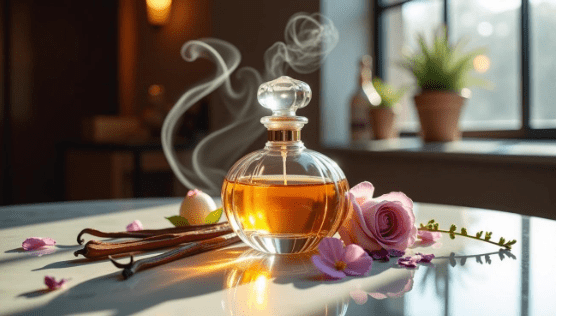
When you walk into a luxury boutique, the distinctive aroma you notice isn’t accidental—it’s a carefully designed component of brand identity that bypasses your conscious mind entirely. Top luxury brands know that scent creates stronger emotional connections than what we see or hear. In fact, the fragrance wafting through high-end spaces triggers memories and feelings that can last for years, essentially turning casual shoppers into lifelong customers.
This powerful connection between scent and memory isn’t just marketing intuition—it’s backed by neuroscience. Our brains process aromas differently than other sensory inputs, creating more immediate emotional responses and stronger memory associations. Furthermore, luxury powerhouses like Ritz-Carlton, Abercrombie & Fitch, and Singapore Airlines have mastered this sensory strategy, using signature scents to make their brand experience unforgettable. Specifically, these ambient fragrances reinforce brand values, tell brand stories, and ultimately translate into customer loyalty.
The science of scent and memory
The unique connection between our nose and brain creates a powerful link between scents and memories that luxury brands increasingly tap into for building lasting brand identity. Unlike our other senses, the olfactory system operates through specialized neural pathways that make fragrance an exceptional tool for emotional connection.
How scent connects to the brain
Our olfactory system operates differently from our other senses, establishing a direct pathway to our emotional core. When you encounter a scent, odor molecules bind to specific receptors in your nose, triggering electrical signals that travel directly to the olfactory bulb at the base of your brain. This structure then rapidly relays these signals to several critical brain regions, particularly the amygdala (responsible for processing emotions) and the hippocampus (which forms and organizes memories). When carefully designed, these fragrances become “olfactory logos” – distinctive, identifiable components of brand messaging that speak directly to the limbic system, often delivered through tailored solutions such as custom air fresheners.
This direct neural connection explains why certain scents can instantly transport you back in time. According to research from Harvard University, “smell and emotion are stored as one memory”. Consequently, when you encounter a familiar scent years later, both the memory and its emotional weight return simultaneously.
Additionally, the sense of smell develops remarkably early in human life. A baby’s nose begins forming in the first trimester, with chemoreceptors for smelling ready by 9 weeks gestation and fully connected to the brain by 13 weeks. At birth, smell stands as the most advanced sense, with newborns navigating primarily through olfaction.
Why smell triggers stronger memories than sight or sound
The anatomical structure of our brain explains why scent-triggered memories feel so vivid compared to those sparked by visual or auditory cues. Most sensory information—whether what we see, hear, or touch—must first pass through the brain’s thalamus before reaching the emotional and memory centers. Smell, however, takes a direct route, bypassing this processing center entirely.
This unique neural architecture means scent signals reach our emotional and memory centers more rapidly and with less filtering than other sensory information. Brain imaging studies confirm this distinctive pathway, revealing that autobiographical memories triggered by odors activate the amygdala more intensely than memories triggered by other stimuli.
Moreover, studies demonstrate that smell-evoked memories tend to be more emotional, more vivid, and often reach further back in time—typically to the first decade of life. This makes scent a particularly potent tool for establishing deep emotional connections that can last a lifetime.
Scientific studies on scent and emotional recall
Research consistently confirms the exceptional power of scent-triggered memories. A pivotal study at Brown University found that women showed greater brain activity when smelling a perfume associated with a positive memory compared to seeing the perfume bottle or smelling an unfamiliar fragrance. Similarly, researchers observed that memories evoked by odors were significantly more pleasant and emotionally intense than those evoked by verbal labels.
Perhaps surprisingly, scent outperforms even music—another notably emotional stimulus—in evoking powerful memories. One comparative study revealed that odors elicited more than twice as many nostalgic memories as musical excerpts. Additionally, participants rated odor-evoked memories as more relevant to their life stories than memories triggered by verbal or visual cues.
Beyond subjective reporting, physiological responses also differ. Research shows that odors triggering autobiographical memories lead to slower, deeper breathing patterns than pleasant but generic scents. Furthermore, brain imaging confirms that odor-evoked memories activate the temporal poles—areas linked to processing pleasant memories—more intensely than verbally evoked recollections.
Through these scientific insights, luxury brands can now strategically design scent experiences that forge emotional connections with consumers, creating powerful memory anchors that keep customers returning long after visual or auditory impressions have faded.
Why luxury brands invest in signature scents
Luxury brands recognize that olfactory experiences have become a strategic business investment rather than merely pleasant background elements. First and foremost, research indicates our sense of smell influences approximately 75% of our daily emotions , making scent a powerful tool for brand differentiation in competitive markets.
Creating emotional brand moments
In the luxury sector, emotional connection trumps transactional relationships. Signature scents bypass conscious thought to engage consumers on a deeper level that visual or auditory branding cannot match. When carefully designed, these fragrances become “olfactory logos” – distinctive, identifiable components of brand messaging that speak directly to the limbic system.
This emotional engagement translates to tangible business results. For instance, when the U.S. footwear brand New Balance entered the Chinese market, they diffused a nostalgic wood and leather scent to convey heritage and craftsmanship. The outcome was remarkable – shoppers spent twice as much money compared to similarly sized stores elsewhere.
Beyond immediate sales impact, scent creates what marketing professionals call “sensory anchors” – emotional touchpoints that connect consumers to brands at an almost subconscious level. Unlike visual or auditory stimuli, these fragrant connections remain remarkably durable over time, with humans able to recall smells with 65% accuracy after a year, whereas visual recall drops to 50% after just three months.
Enhancing customer experience in physical spaces
Physical retail environments face increasing pressure to deliver exceptional experiences that online shopping cannot replicate. Signature scents provide a powerful advantage in this arena. A landmark study found that customers were 84% more likely to purchase Nike shoes in a pleasantly scented room versus an unscented one.
Luxury car dealerships enhance perceived value with leather and woody notes, while high-end hotels craft signature fragrances to create distinct atmospheres – white tea and fig for fresh sophistication or sandalwood and cedar for warmth and exclusivity. These carefully orchestrated olfactory environments influence customer behavior in measurable ways:
- Increased dwell time: Customers linger longer in pleasantly scented environments without realizing it
- Enhanced perception of value: The right scent can make products appear more luxurious
- Improved mood: Studies show scents positively impact stress levels and overall emotional state
Building long-term brand recall
Perhaps the most compelling reason luxury brands invest in signature scents is their unmatched power to trigger long-term brand recognition. A Journal of Consumer Research study discovered that consumers recalled brands and made purchases more often when products featured distinct scents.
This recall effect creates opportunities beyond the initial customer experience. Many luxury brands now extend their signature fragrances into product lines like candles, diffusers, and room sprays. These scented products serve dual purposes – reinforcing brand recognition while generating direct revenue. The results speak for themselves: one retail client earned $363,000 in profit from scented candles alone, while a hotel saw 150% ROI on candles within just four months.
Singapore Airlines exemplifies this comprehensive approach, incorporating their signature scent into soaps and hot towels , extending the brand experience throughout the customer journey. Indeed, for luxury brands focused on creating lasting impressions, scent has evolved from a finishing detail to a foundational element of brand strategy.
Throughout luxury retail and hospitality, signature scents have become essential tools for creating distinction in competitive markets – not just pleasant ambient elements but strategic assets with emotional power and measurable impact.
Designing a scent that reflects brand identity
Creating a signature scent for a brand requires far more than simply choosing a pleasant aroma—it demands strategic alignment with core brand values. Professional fragrance design translates brand identity into a sensory experience that connects with customers on an emotional level and leaves a lasting impression.
Aligning fragrance with brand values
The process begins with a comprehensive exploration of brand DNA. Professional fragrance designers conduct deep dives into a company’s goals, target audience, and desired emotional responses. Naturally, this involves analyzing brand esthetics, marketing materials, and physical spaces to create a complete brand portrait. Studies show that 82% of consumers feel a stronger emotional bond with brands that use scent marketing.
When selecting fragrances that embody brand values, consider:
- Luxury brands often utilize sandalwood or musk for sophistication
- Eco-friendly companies gravitate toward fresh, earthy fragrances like lavender
- Heritage brands might incorporate leather and wood notes to convey craftsmanship
- Modern, minimalist brands typically prefer subtle, clean scents
The fragrance must genuinely complement your business identity. Initially, this means thinking about your target audience, products offered, and feelings you want to inspire.
Avoiding personal bias in scent selection
One common pitfall in scent marketing is choosing fragrances based on personal preference rather than strategic brand alignment. As one expert notes, “We have to remind them it’s not something they’d choose to wear but rather close your eyes and envision it in the space, imagining how it feels”.
Cultural and generational differences markedly affect scent perception. A fragrance that works brilliantly in one market might fail in another. For instance, a high-end men’s clothing shop in Hong Kong successfully used iris and papyrus notes, but this combination would have failed in the United States, where such scents are associated with laundry detergent.
To avoid bias, collaborate with fragrance experts who understand olfactory branding, run customer focus groups, and collect data on how different audiences respond to potential scents. Generally, this professional approach ensures your signature fragrance resonates with your intended audience rather than merely pleasing the executive team.
Examples of successful scent-brand alignment
Mercedes-Benz exemplifies strategic scent alignment through their development of four distinct fragrances that reflect their brand values of luxury, urban sophistication, and quality. Together with fragrance experts, they created scents like “Sports Mood” (naturally fresh with green tones) and “Nightlife Mood” (heavy leather with mild fruity tones).
Apple stores diffuse a subtle “green apples and mint” fragrance through their HVAC system, incorporating crisp apple notes with hints of wood to evoke innovation, freshness, and the brand’s signature minimalism. In essence, this reinforces their brand identity at an unconscious level.
For John Lewis, specific fragrances were created for different home areas—their kitchen areas feature “Nougat,” a refined composition with vanilla, coconut, caramel, and strawberry notes that evoke warmth in elegant environments. This targeted approach demonstrates how scent can enhance specific brand experiences beyond general ambient fragrance.
Turning scent into a product line
For forward-thinking luxury brands, signature fragrances have evolved beyond ambient experiences into profitable product lines. These scented products allow customers to recreate brand moments at home, extending the emotional connection long after they’ve left a store or hotel.
From ambient scent to retail product
The transition from environmental scenting to retail products represents a natural progression in brand experience strategy. Custom fragrances packaged as candles, room sprays, and diffusers give customers tangible ways to take brand experiences home. This transformation converts a fleeting sensory moment into a lasting brand touchpoint that customers can experience repeatedly.
Beyond merely generating additional revenue streams, these take-home fragrance products serve as powerful brand ambassadors. Each time a customer lights a branded candle, they reactivate the emotional connections and memories associated with the original brand experience, strengthening brand identity through repetition.
ROI from candles, diffusers, and sprays
The financial returns from scented product lines prove their business value. One retail brand earned $363,000 in profit from scented candles alone. Even more impressive, a hotel chain achieved 150% ROI on candle products within just four months.
These products consistently deliver high margins while simultaneously acting as marketing tools. Guest inquiries about purchasing signature scents demonstrate the effectiveness of ambient scent strategies, as curious visitors seek to recreate their experience at home.
Case studies: Fairmont, R.M. Williams
Fairmont Hotels exemplifies the alignment between scent products and brand values. During a two-year development process, they created the “world’s first certified sustainable fragrance” designed specifically for ambient scenting. Their scent products feature ethically sourced ingredients like Madagascar vanilla and Indonesian patchouli, reflecting their commitment to environmental responsibility.
Fairmont subsequently extended their signature scents—Classic Black and Iconic White—into eco-friendly candles with wood wicks and ceramic vessels engraved with hotel branding.
Meanwhile, R.M. Williams took a different approach, capturing their Australian heritage through fragrance. Their signature scent—combining sage, hay, and tobacco leaves—evokes the rugged Australian outback that inspired their original cowboy boots. This “arid yet vivid” fragrance authentically represents the brand’s origins while remaining sophisticated enough for modern retail environments.
Scent as a storytelling tool
Beyond their emotional impact, fragrances serve as powerful vehicles for narrative. Top luxury brands harness scent’s evocative properties to tell rich stories that communicate brand values in ways visuals alone cannot achieve.
Using fragrance to express heritage or place
Fragrance can transport customers to specific locations or time periods, creating deep connections with brand heritage. Czech & Speake exemplifies this approach, developing scents directly inspired by travel experiences that capture specific geographic locations. Their “Spanish Cedar” fragrance, for instance, evokes the Menorcan landscape through a precise combination of bergamot and cedarwood notes.
How brands use scent to tell origin stories
Family heritage often features prominently in fragrance storytelling. Inspired By Scent builds its entire brand narrative around the founder’s great-grandfather, who blended perfume oils by hand “long before mass production took over the industry”. Primarily, this ancestral connection lends authenticity to their handcrafted approach. At the same time, BDK perfumes takes a literary approach, crafting an “olfactive library” where each fragrance tells a unique story, including “312 Saint Honoré”—named after their Paris boutique address.
The role of culture and environment in scent design
Cultural context fundamentally shapes scent interpretation. A fragrance combining iris and papyrus works perfectly in Hong Kong yet would fail in America, where these notes evoke laundry detergent. Despite these challenges, regional differences provide rich storytelling opportunities. Throughout the Middle East, scent serves as “a personal statement” holding greater significance than clothing , while Mediterranean brands leverage local citrus and neroli notes to express their sun-drenched environments.
Conclusion
Scent marketing stands as perhaps the most powerful sensory tool available to luxury brands today. Unlike visual or auditory stimuli, fragrances create immediate emotional connections that bypass rational thought processes, forming memories that can last for decades. This direct neural pathway explains why walking into a Ritz-Carlton instantly feels like coming home or why the distinctive aroma of an Abercrombie & Fitch store remains recognizable years later.
The strategic implementation of signature scents represents far more than pleasant ambiance – it delivers measurable business results. Customers linger longer, perceive greater value, and develop stronger brand loyalty when surrounded by carefully crafted fragrances. Additionally, the extension of these environmental scents into take-home products creates ongoing brand touchpoints while generating significant revenue streams.
Successful olfactory branding requires meticulous alignment between fragrance notes and core brand values. Luxury powerhouses understand this connection deeply, selecting scent profiles that communicate their unique identity without conscious explanation. Whether through sandalwood’s sophistication, fresh botanicals’ modernity, or leather’s heritage associations, these fragrant signatures tell rich brand stories without saying a word.
The science behind scent’s emotional impact continues advancing rapidly, giving forward-thinking brands unprecedented opportunities to forge meaningful customer relationships. Those who master this invisible aspect of brand identity gain a competitive advantage that visual branding alone cannot match. Ultimately, signature scents become the silent ambassadors of luxury brands, creating emotional connections that transform first-time visitors into lifelong devotees through the undeniable power of fragrance.