

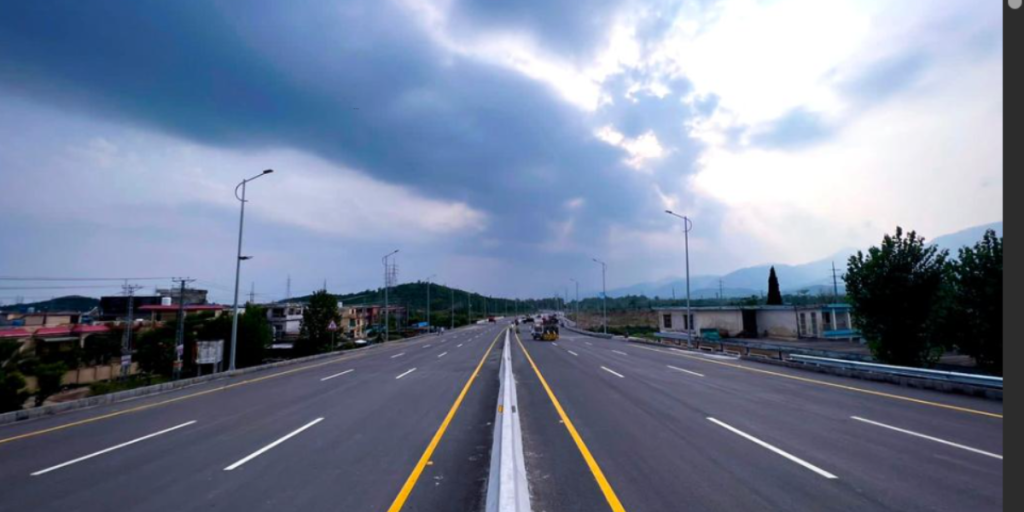
Every year, approximately 1.2 million people lose their lives in road traffic accidents worldwide. A striking majority of these tragedies share one common thread: poor visibility. Whether it’s a pedestrian crossing in the dark, a construction worker standing near a highway, or a sharp rural curve with no warning markings, the inability to see and be seen on the road is one of the deadliest problems in modern transportation. Reflective road safety equipment exists precisely to solve this problem, and its impact is far greater than most people realize.
From the humble road stud embedded in the tarmac to the high-visibility vest worn by a traffic officer at midnight, reflective road safety equipment is the silent, low-cost backbone of road safety systems around the world.
Why Visibility Is the Core Problem
Before understanding the solution, it helps to understand the scale of the visibility crisis on our roads.
According to the World Health Organization, more than 50% of fatal road accidents globally occur at night or during low-visibility conditions despite nighttime accounting for a much smaller fraction of overall travel.
In the United States, around 76% of pedestrian fatalities happen in dark conditions. Research shows that nearly half of all cyclist deaths occur during nighttime hours, and over 40% of motorcycle collisions happen simply because another driver didn’t notice the rider in time.
The math behind this is sobering. In poor lighting conditions such as rain, fog, darkness, a driver’s effective visibility distance can shrink to less than one-third of what it is in clear daylight. On a rural two-lane highway without reflective markers, a driver may not be able to anticipate a sharp curve until they’re less than 30 meters away, while the safe braking distance at highway speeds requires at least 50 meters. That gap between what a driver can see and what they need to see is where accidents happen.
Reflective road safety equipment is designed to close that gap.
How Retroreflection Works
The technology behind reflective road safety equipment is based on a principle called retroreflection which is the ability of a surface to bounce light directly back toward its source rather than scattering it in all directions.
Ordinary reflective surfaces, like a mirror or a wet road, scatter light broadly. Retroreflective materials, however, are engineered to send light precisely back in the direction it came from. This is achieved through two primary technologies: glass bead systems, which contain tiny spherical beads embedded in a film that redirect light through a lens effect, and microprismatic systems, which use thousands of microscopic prism shapes to achieve the same result with even greater efficiency and at wider angles.
When a vehicle’s headlights strike a retroreflective surface whether that’s a road sign, a vest, a cone, or a road stud, the light bounces back almost directly into the driver’s eyes. This creates the familiar bright “glow” that makes these objects so visible in darkness.
Properly engineered retroreflective materials can increase a driver’s ability to detect an object from under 100 feet to well over 500 feet giving precious extra seconds to slow down, steer, or stop.
Types of Reflective Road Safety Equipment
Reflective road safety equipment covers a wide range of products, each serving a specific purpose within the broader goal of keeping roads safe. Understanding the different categories helps clarify just how comprehensive this system is.
Reflective Road Signs
Traffic signs are among the most critical pieces of infrastructure on any road network. Their effectiveness at night depends entirely on the quality of their retroreflective sheeting. Modern road signs use one of three main grades of retroreflective material:
Engineering Grade (EG) sheeting is the most basic and is typically used for lower-priority signs like parking notices and wayfinding markers. It is visible from approximately 500 feet under headlights.
High Intensity Prismatic (HIP) sheeting is the standard for official traffic signs in most jurisdictions. It provides roughly three times the reflectivity of engineering grade and is visible from around 1,000 feet far enough for a driver traveling at highway speeds to read and respond to a sign.
Diamond Grade (DG) sheeting represents the highest performance tier. Used on school zone signs, high-traffic intersections, and major highway infrastructure, diamond grade sheeting is visible from up to 1,500 feet and is approximately ten times brighter than basic engineering grade. Its durability also makes it cost-effective over the long term, with a lifespan of 12 years or more.
Regulatory bodies including the Federal Highway Administration (FHWA) in the United States mandate minimum retroreflectivity levels for all traffic control signs, and standards are periodically updated as better materials become available.
Road Studs and Pavement Markers
Road studs are also known as cat’s eyes, raised pavement markers, or retro-reflective pavement markers (RPMs). These are small devices embedded in road surfaces at lane boundaries, centerlines, and road edges. They work by reflecting headlights back to the driver, making lane boundaries clearly visible even in heavy rain, fog, or complete darkness.
Originally developed in the United Kingdom in the 1930s, road studs have since evolved significantly. Today’s options include:
- Ceramic and plastic studs, which are durable and cost-effective for standard road applications
- Aluminum studs, suited for high-traffic areas requiring maximum durability
- Solar-powered LED road studs, which actively emit light at night after charging via photovoltaic panels during the day — requiring only four to five hours of sunlight to provide up to twelve hours of visible guidance
Solar road studs are a particularly transformative development for areas with inadequate street lighting, providing active visibility even in conditions where passive reflection is insufficient.
Reflective Safety Vests and Personal Protective Equipment
For pedestrians, road workers, cyclists, motorcyclists, and emergency responders, wearable reflective road safety equipment is often the difference between being seen and becoming a statistic.
The reflective car Tapes are also one the emerging products used on cars. These tapes can also be used on sidepaths, cones and boards.
High-visibility (hi-vis) vests and jackets are manufactured with retroreflective tape sewn into the garment. When vehicle headlights strike the tape, it glows brightly, making the wearer immediately visible to approaching drivers. Research from Sweden found that cyclists wearing reflective vests had a 30% lower risk of accidents during low-light conditions compared to those without such gear. A study in New Zealand concluded that roughly a third of motorcycle accidents could have been avoided had riders been wearing high-visibility clothing.
The personal protective equipment (PPE) category also extends to reflective items for everyday use backpack strips, shoe panels, armbands, and pet collars all applying the same retroreflective principle at a consumer level.
Traffic Cones, Barriers, and Delineators
Construction zones and roadside work sites are among the most dangerous environments on any road network, for both workers and passing drivers. Reflective traffic cones, barriers, and delineator posts are designed to guide vehicles safely around hazards and mark the boundaries of work zones.
Standard traffic cones feature retroreflective bands near the top, ensuring they remain visible in vehicle headlights at night. Water-filled barriers and jersey barriers used to create physical separation between traffic and work zones are similarly equipped with retroreflective panels. Delineator posts flexible, vertical markers installed along roadsides and medians guide drivers through temporary changes in road layout, such as lane shifts, closures, and narrow passages.
Studies examining urban areas with high pedestrian activity have found that installing reflective panels at crosswalks reduced accident rates by as much as 40%. Highways equipped with comprehensive reflective signage and markers have consistently recorded significant reductions in nighttime collision frequency.
The Real-World Impact: What the Numbers Show
The effectiveness of reflective road safety equipment and reflective road marking paints isn’t theoretical. It’s backed by decades of real-world evidence.
A study examining road reflector installation in India found a 22% reduction in accident rates in areas where reflective road markers were introduced. Broader analysis suggests that in properly equipped environments, the use of reflective materials can reduce nighttime accidents by up to 50%, particularly in areas with limited street lighting.
The cost-benefit case is equally compelling. The unit cost of reflective road marking devices runs at roughly a fraction of the expense of installing full streetlight infrastructure and the equipment requires minimal ongoing energy consumption. The indirect economic benefits reduced insurance claims, lower emergency service costs, decreased loss of productivity from injuries and create what safety researchers describe as a positive “safety-cost” cycle over the lifetime of the equipment.
Cities that have adopted data-driven approaches to road safety have confirmed these results. In Austin, Texas, city officials used AI-powered near-miss detection to identify high-risk intersections, then deployed targeted improvements including brighter reflective tape on traffic signal poles and reflective crosswalk paint. The early results from this initiative pointed toward measurable reductions in close-call incidents in treated zones.
Standards and Compliance: Why Quality Matters
Not all reflective road safety equipment is created equal. The market contains products ranging from certified, rigorously tested materials to substandard imitations that degrade rapidly or fail to meet minimum visibility thresholds.
International standards such as ASTM D4956 in the United States and EN 12899 in Europe establish minimum performance requirements for retroreflective materials used in traffic control. These standards define performance categories, durability expectations, and measurement methodologies, using devices called retroreflectometers to measure the retroreflective coefficient of a surface and confirm that it meets regulatory requirements.
By 2025, compliance with these standards has become a contractual requirement for infrastructure suppliers and government contractors in an increasing number of countries. Road authorities conducting regular maintenance programs use retroreflectometers in the field to confirm that aging signs, road markings, and safety devices still meet the required minimums, replacing equipment before it falls below safe visibility thresholds rather than after an accident occurs.
For individual buyers, whether purchasing construction zone equipment or personal hi-vis gear, choosing products that carry certified compliance markings is the most reliable way to ensure the equipment will perform as expected when it matters most.
Beyond the Equipment: Building a Culture of Visibility
Reflective road safety equipment is most effective when it’s part of a broader commitment to visibility by infrastructure managers, employers, and individuals alike.
Road authorities can maximize impact by conducting regular retroreflectivity audits of signs and pavement markings, prioritizing diamond grade sheeting in high-risk zones such as school areas, sharp curves, and pedestrian crossings, and investing in solar LED road studs in rural corridors that lack street lighting.
Employers responsible for outdoor or roadside workers bear a legal and ethical responsibility to equip their teams with certified high-visibility clothing and to enforce its use consistently — not only during construction projects, but during any activity near moving traffic.
At an individual level, the lesson is equally clear. Research consistently shows that pedestrians and cyclists dramatically overestimate how visible they are to drivers at night. A person walking in dark clothing at night may only be spotted by a driver at around 55 feet barely enough time to brake at low urban speeds. Adding even a simple reflective armband or vest can extend that detection distance to several hundred feet, a change that turns a potentially fatal encounter into a routine, uneventful pass.
Conclusion
Reflective road safety equipment is not glamorous. It doesn’t generate headlines or attract the excitement of autonomous vehicles or smart traffic systems. But road stud by road stud, vest by vest, and sign by sign, it saves lives every single day quietly, reliably, and at a fraction of the cost of almost any other road safety intervention.
As road networks expand, nighttime travel increases, and visibility challenges grow more complex, the role of reflective road safety equipment will only become more important. Whether you manage infrastructure, oversee a road crew, commute by bicycle, or simply walk home after dark, understanding and using this equipment isn’t just a technical consideration. It’s a straightforward, evidence-backed choice to make the roads safer for everyone.