
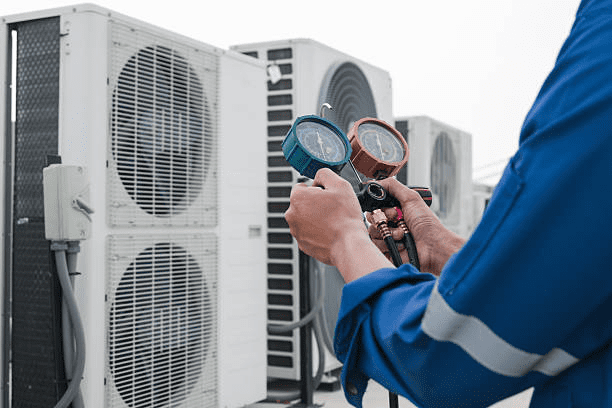
Most people think of sprinklers, alarms, and extinguishers when it comes to fire protection. But your HVAC system is another important weapon against fires. Here’s how it keeps you safe.
Ensuring that air filtration and exhaust systems function flawlessly during an emergency requires more than just high-quality hardware; it demands a thorough understanding of how local climate conditions affect mechanical longevity. Environmental factors such as extreme heat or seasonal debris can often lead to premature wear on sensitive dampers and sensors. Technicians with a deep understanding of hvac redding and its specific regional demands are better equipped to calibrate these systems for maximum responsiveness. By prioritizing routine maintenance and precision tuning, property managers can guarantee that their smoke control measures remain operational, providing a critical line of defense for both building residents and emergency responders alike.
HVAC Systems Prevent the Spread of Fire
Your heating and air conditioning system is an integral part of any building’s fire prevention and protection strategy. You probably never stop to think about it but knowing how your HVAC system helps during emergencies is kind of awesome.
During normal operation, your heating and air conditioning system conditions and circulates air throughout your building. Because of that, your HVAC system has the potential to send smoke and harmful gasses from your fire location throughout the rest of the building.
Smart building systems know this, so they automatically adjust how your HVAC system works when a fire occurs.
Smoke Detectors Activate HVAC Safety Features
Did you know that many buildings have smoke detectors inside the HVAC ductwork and air handlers? When these detectors sense smoke, they can automatically make your heating and cooling system work differently. Specifically, it can shut off air circulation and turn on special smoke control features within just seconds of detecting smoke.
Smoke Control Features Prevent Fire from Spreading
Now we’re getting into the really cool stuff. Buildings use a variety of methods to prevent smoke from HVAC systems spreading fire.
Some buildings use what is known as stairwell and exit pressurization. As the names suggest, these systems keep air pressure higher in stairwells and exits. As a result, smoke is not able to enter these areas.
Another smoke control feature is zoning. Basically, your building is divided into zones using fire dampers in the ductwork. When a fire is detected in one zone, automatic fire dampers close to prevent smoke from traveling to other zones.
Some systems even go so far as to pull smoke out of the fire zone while pumping clean air into your building’s stairwells and exits.
Fire Dampers Keep Fire Where It Started
Fire dampers are installed in ductwork where it passes through fire rated walls and floors. Basically, they’re automatic doors that close if they’re exposed to too much heat. When fire dampers close, they help contain the fire to the room or area where it started.
There are two types of fire dampers found in most buildings.
- Static fire dampers close when they are exposed to a specific temperature. 165°F is common.
- Dynamic fire dampers can close even when air is flowing through them.
As such, dynamic dampers can be used in HVAC systems that operate even during emergencies.
Firefighters Can Control Your HVAC System
Once firefighters arrive on the scene, your HVAC system can actually help them out too. Many commercial buildings are even equipped with manual controls that allow first responders to take control of the HVAC system.
They can use it to clear smoke from certain areas of the building. They can even use it to create safe zones for rescue and recovery efforts. Firefighters can even use your HVAC system to pull smoke out of a fire zone by creating negative pressure.
Stairwell Pressurization
Remember how we mentioned that some buildings use pressurization to keep smoke from spreading? Stairwell pressurization is one example of this.
Your building’s stairwells are equipped with their own dedicated supply of air that is pressurized into the stairwell at all times during a fire. If you open a door to the stairwell during a fire, air will flow out into the hall instead of smoke coming into the stairwell. Simple concept, but it can save lives.
HVAC integrates with other Fire Safety Systems
Your heating and cooling system doesn’t act alone during fire emergencies. It connects to your fire alarms, sprinklers, emergency lighting system, and more. Pretty much all of your building’s safety systems are connected in some way.
When one safety system kicks on, others know about it and adjust how they operate automatically. Your sprinklers may go off in one area of your building. Your HVAC system may increase ventilation in the areas around it to deal with steam and smoke. Every safety system is designed to work together for maximum protection.
Maintenance is Important
All of these amazing features are worthless if your HVAC system isn’t working properly. That’s why it’s important to have your system inspected annually. Your maintenance technician should verify that all of your fire safety features are operational.
You can help too. If you notice strange noises coming from your vents, weird smells, or reduced airflow, let your building manager know. Dirty HVAC systems are more likely to have problems with their fire safety features.
What You Need to Know
Now that you understand the hidden ways your HVAC system can protect you during a fire, you can use that knowledge to stay safe. Take note of where all the stairwells are in your building. These areas will be pressurized to keep smoke out, making them the safest place to be during a fire.
Pay attention during fire drills. You’ll know which areas of the building will have the cleanest air if there’s ever a real fire.
If you smell smoke, don’t wait for the HVAC system to do its job. Grab your coworkers and get out! Your system will keep you safe for as long as possible, but your actions are the most important factor when it comes to fire safety.
The Future of HVAC Fire Safety
Fire safety technology is always improving, and HVAC systems are no exception. Better, more precise sensors can detect fires earlier than ever before. Computerized controls can better predict how smoke will spread through buildings and react accordingly.
One future innovation we’ve seen is AI that can predict how a fire will behave and choose the best smoke control methods automatically. As technology like this becomes more commonplace, buildings will get even safer than they are today.
FAQ’s
Aren’t HVAC systems bad during fires because they spread smoke?
Yes…and no. HVAC systems can spread smoke throughout a building by circulating air. But they can also be used to control smoke with the right programming. That’s why many modern systems are designed to respond instantly when smoke is detected. A fire can trigger the HVAC system to stop air from circulating or even switch to smoke control mode.
Wait… how does the HVAC system know there’s a fire?
Smoke detectors are often installed right inside a building’s ductwork and air handling units. When smoke is detected, these connected devices will signal to the HVAC system to respond immediately. Everything can happen within seconds – before most people even know there’s a fire!
What about fire dampers? Why do they matter so much?
Fire dampers act as automatic fire doors inside your ductwork. If they detect too much heat, fire dampers close to prevent fire and smoke from spreading throughout a building. Without fire dampers, flames can quickly spread between rooms – or entire floors – through the duct system. They’re one of those hidden life savers you don’t know you need until you do.
Why is it always said to stay in stairwells during a fire?
Many buildings are built to automatically pressurize stairwells during a fire. Basically, that means forcing fresh air into the stairwell and preventing smoke from entering. When the door opens, air will rush out of the stairwell instead of smoke rushing in. It’s a pretty simple concept that can keep your escape routes breathable.
Can firefighters really take over a building’s HVAC system?
In some cases, yes. Firefighters can utilize manual HVAC controls to clear smoke from a room or even create safe zones for rescue. They can even use controlled airflow to pull smoke away from escape routes by creating a pressure change inside the building.
If most fire safety features are automatic, why does HVAC maintenance matter?
Maintenance is critical because your automatic safety features won’t function without it. Dirty, damaged, or improperly maintained fire dampers can stick when they’re needed most. Sensors can become less effective and airflow can be compromised if your HVAC system isn’t cleaned and maintained on a routine basis. Regular HVAC maintenance ensures your life safety features will operate exactly how they’re designed to – when you need them most.