
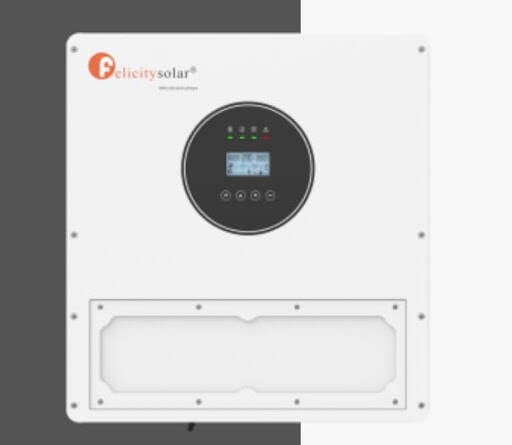
The need for reliable and efficient energy systems is growing rapidly around the world. Today’s big companies need a steady source of power to keep assembly lines running, safeguard data systems and conduct the business of every day. With grids increasingly unreliable and energy prices volatile, businesses are heading toward intelligent, flexible power solutions.
This trend has fueled the expansion of commercial and industrial energy storage projects. These systems are designed to store electricity and discharge it when businesses need it — in power outages, during peak hours or at times of high demand.
What Makes Modern C&I Energy Storage “Smart”?
Smart commercial and industrial energy storage goes far beyond simple backup power. These systems leverage sophisticated control technology and energy management software to take real-time decisions on when and where the stored energy is used, protected or dispatched.
They are designed to charge and discharge on demand, essentially automating the process in order for businesses to save energy outside of peak hours while remaining powered during them. By monitoring in real time, businesses can monitor performance, detect problems early and predict when devices will fail.
Smart storage also enables smart load balancing and when used in conjunction with microgrids, simplifies the management of complex power requirements. It is designed for safety, stability and efficiency with such features as self diagnosis, fault detection, BMS highest level protection.
Key Drivers Behind the Rise of Smart Energy Storage
Unstable Grid Conditions
Many areas are experiencing as much or more outages, voltage drops and grid congestion today than in the past. Businesses require a backup that keeps operations going during dark days, just in case the grid can’t.
Rising Peak-Hour Electricity Prices
Energy prices have been rising at peak hours, and bills are increasingly unpredictable. Smart storage also enables companies to cut that bill through peak shaving and enhanced demand control.
Growth of Renewable Energy
And as more companies rely on solar and wind power, energy production becomes less predictable. Smart storage helps stabilize that supply by storing surplus energy and releasing it when renewable output falls short.
Expanded Industrial Automation
The machines in today’s factories are more investments than tools, delicate systems of AI and robotics that can’t tolerate power disruptions. Intelligent storage ensures reliable, continuous power so self-running operations remain efficient and dependable.
Core Features of Smart Commercial and Industrial Energy Storage
High Integration & All-in-One Architecture
Today, a C&I energy storage installation bundles it all into one self-contained design that encompasses the storage component (or container), inverter and control system.
This combined configuration cuts installation time, minimizes the number of assemblies that need to be arranged and can offer significant floor space savings—critical in large production sites.
The neat, all-in-one design also increases system efficiency by ensuring that everything is well-coordinated from the beginning.
Intelligent Monitoring & Energy Management
Smart energy storage provides businesses with 100% transparency of their power consumption. Live dashboards deliver status of system, health of batteries and performance trends that enable teams to take control.
Automated notifications alert operators to anomalous behavior, and advanced BMS analytics to understand evolving performance.
Remote monitoring allows for businesses to monitor and control their system from anywhere, 24 hours a day.
High Safety Levels
Safety First in Commercial & Industrial Settings. Intelligent storage systems feature several layers of protection against electrical, thermal and mechanical problems.
Non-parallel flow designs are important to minimize the potential for short circuits or imbalance.
Paired with the advanced cooling solutions, such as liquid cooled for demanding conditions or air cooled for maximum installation flexibility, these systems also operate at lower temperatures and with reduced risk of overheating.
High Efficiency & Lower Energy Waste
Intelligent C&I storage systems are designed for high energy yield. High efficiencies of batteries and system ensure that a high proportion of energy stored is utilized.
Flexible charge and discharge control provides the energy system with intelligent adjustment capabilities, minimizing waste.
Maximizing energy scheduling during peak hours, helps businesses decrease the amount of power pulled from the grid while reducing costs for utilities and relieving pressure on electrical infrastructure.
Long Life & Low Maintenance
A long life span system is crucial for large facilities that have purchased a storage technology. Smart batteries are assembled with higher cycle life cells that meet the requirements to consistently last over many years…
Predictive maintenance mechanisms allow possible problems to be spotted early, preventing downtime and lowering repair expenses.
With self-diagnosis and accurate fault location, trouble shooting is quick and easy, saving in maintenance being simple and low-cost.
Industry Applications of Smart C&I Energy Storage
Manufacturing
Smart storage helps factories manage heavy load demands and prevents production from stopping during power dips or outages.
Retail & Commercial Buildings
Energy storage keeps essential systems like lighting, HVAC, and POS machines running smoothly, while helping lower overall energy costs.
Data Centers & IT Infrastructure
These facilities rely on constant uptime. Smart storage protects servers and sensitive equipment by providing clean, uninterrupted power.
EV Charging Stations
Energy storage handles sudden increases in charging demand and reduces pressure on the local grid, ensuring stable charging availability.
Cooling Technologies in Smart C&I Systems
Liquid Cooling
Liquid cooling is designed for high-capacity and high-demand energy storage systems. It controls heat more effectively, keeps the battery environment stable, and operates quietly. This makes it ideal for large facilities such as manufacturing plants, data centers, and heavy commercial sites where systems run continuously and generate more heat. It also saves space, which is useful in compact industrial setups.
Air Cooling
Air is ideal for small to medium needs, including both low and high pressure applications. It doesn’t use air conditioning – only natural ventilation or fans to regulate the temperature, so it costs less. Retail centers, commercial spaces or smaller industrial operations are commonly air-cooled because once installed, they require little maintenance and run well in lighter-load (and predictable) environments.
Conclusion
Across the globe, smart energy storage is on the rise as businesses demand power systems that are more dependable, efficient and flexible than at any previous point in time. With the unreliable nature of grids, and increasing demand for power combined with the drive for renewables, smart commercial & industrial energy storage is a crucial part in developing future ready operations.
For more information, please visit our company profile: https://www.felicitysolar.com/company-info/
For organizations ready to move toward smarter, more stable power systems, Felicity Solar offers advanced C&I energy storage solutions designed to support long-term reliability and growth. Exploring these technologies is a smart step toward a stronger and more resilient energy strategy.
