
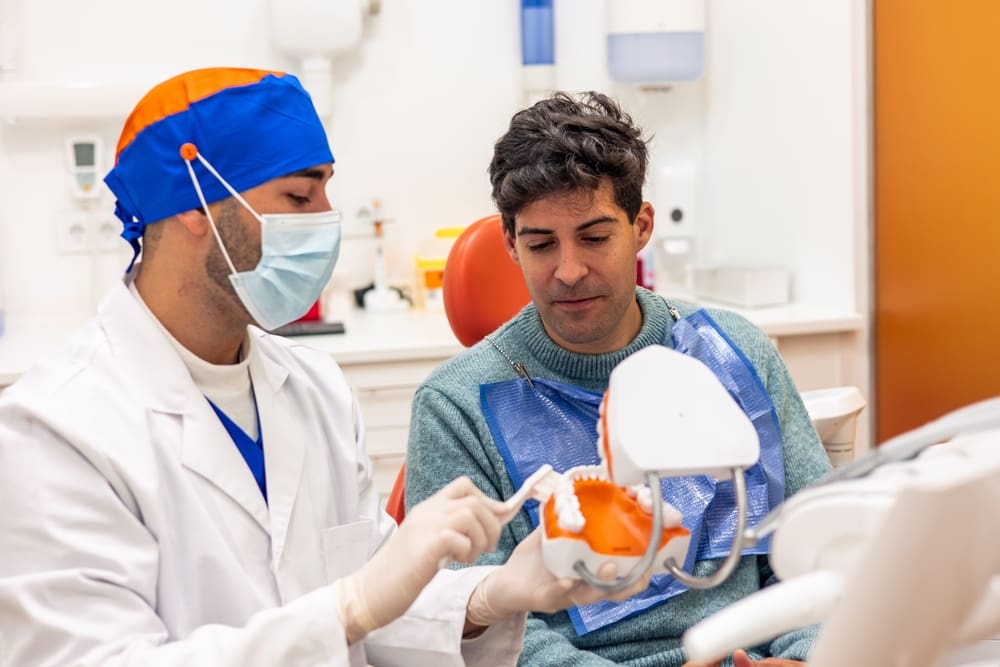
Good oral hygiene keeps teeth strong, gums healthy, and breath fresh. Many people brush every day, but not everyone uses the correct technique. Poor brushing habits can leave plaque behind and increase the risk of cavities and gum disease. Visiting a Dentist in Edmonton regularly and maintaining proper daily care helps prevent many dental problems. Brushing and flossing work together to remove plaque and food particles. When done the right way, they protect both teeth and gums. People who follow a proper routine also reduce the chances of expensive dental treatments later. In this guide, you will learn the correct way to brush and floss, common mistakes to avoid, and how regular dental visits support better oral hygiene.
Why Proper Brushing and Flossing Matter
Brushing alone removes plaque from the visible surfaces of teeth, but it cannot reach between teeth or under the gum line. That is where flossing becomes important. When plaque stays on teeth for too long, it hardens into tartar and can cause gum irritation, cavities, and bad breath. Regular dental visits and proper care at home work together to protect your smile. Many clinics that offer general dentistry in Edmonton focus on preventive care because early prevention reduces long-term dental problems.
How to Brush Your Teeth the Right Way
Brushing correctly is more important than brushing quickly. Many people rush through the process and miss important areas.
Follow these simple brushing steps:
- Use a soft-bristle toothbrush to protect gums and enamel.
- Place the toothbrush at a 45-degree angle toward the gum line.
- Use small circular motions rather than hard back-and-forth strokes.
- Brush the outer, inner, and chewing surfaces of all teeth.
- Clean your tongue gently to remove bacteria.
- Brush for at least two minutes, twice every day.
Brushing too hard can damage enamel and irritate gums. Gentle pressure and the right technique are more effective than aggressive brushing.
How to Floss Properly
Flossing removes plaque and food particles from areas that a toothbrush cannot reach. Skipping flossing can lead to plaque buildup between teeth.
Use the following flossing technique:
- Take about 18 inches of dental floss and wrap most of it around your middle fingers.
- Hold the floss tightly between your thumbs and index fingers.
- Slide the floss gently between teeth.
- Curve the floss around each tooth in a “C” shape.
- Move the floss up and down to remove plaque.
- Use a clean section of floss for each tooth.
Flossing once a day is enough to maintain healthy gums and prevent plaque buildup.
Common Brushing and Flossing Mistakes
Even people who brush daily may still make mistakes that reduce the effectiveness of their routine.
- Brushing for less than two minutes
- Using a toothbrush with hard bristles
- Skipping flossing
- Brushing immediately after acidic foods
- Not replacing the toothbrush every three months
- Missing the gum line while brushing
A dentist can also show you the correct technique during routine checkups. If you are searching for a dentist near you in Edmonton, choose a clinic that focuses on preventive care and patient education.
Extra Tips for Better Oral Hygiene
Brushing and flossing are the foundation of oral care, but a few additional habits can further protect your teeth.
- Drink plenty of water throughout the day
- Limit sugary snacks and drinks
- Use fluoride toothpaste
- Rinse with an antibacterial mouthwash
- Visit your dentist every six months
Healthy habits combined with professional dental care help maintain strong teeth and gums for many years.
The Role of Professional Dental Care
Daily oral hygiene is important, but professional dental care is also necessary. Dentists can remove hardened plaque, check for early signs of cavities, and identify gum problems before they worsen. Regular checkups may also include services related to cosmetic dentistry in Edmonton, which can improve the appearance of teeth while maintaining oral health.
Professional cleanings, examinations, and preventive treatments all support better oral hygiene and reduce the risk of serious dental conditions.
Conclusion
Brushing and flossing the right way are simple habits that protect your teeth and gums every day. Using proper techniques, following a consistent routine, and visiting a dental professional regularly can help prevent cavities, gum disease, and bad breath. If you want professional care and guidance for maintaining strong oral health, the team at Manchester Dental is ready to help. Our experienced dental professionals provide comprehensive care in a comfortable environment. Book your appointment today and take the next step toward a healthier smile.
Frequently Asked Questions
How many times should I brush my teeth each day?
You should brush your teeth twice a day for at least two minutes each time. This helps remove plaque and prevent cavities.
Is flossing really necessary if I brush daily?
Yes. Flossing removes plaque and food particles from between teeth where a toothbrush cannot reach.
What type of toothbrush is best for daily use?
A soft-bristled toothbrush is usually recommended because it cleans effectively without damaging enamel or gums.
When should I replace my toothbrush?
Most dentists recommend replacing your toothbrush every three months or sooner if the bristles become worn.
How often should I visit a dentist for checkups?
Most people should visit a dental clinic every six months for routine checkups and professional cleaning.