
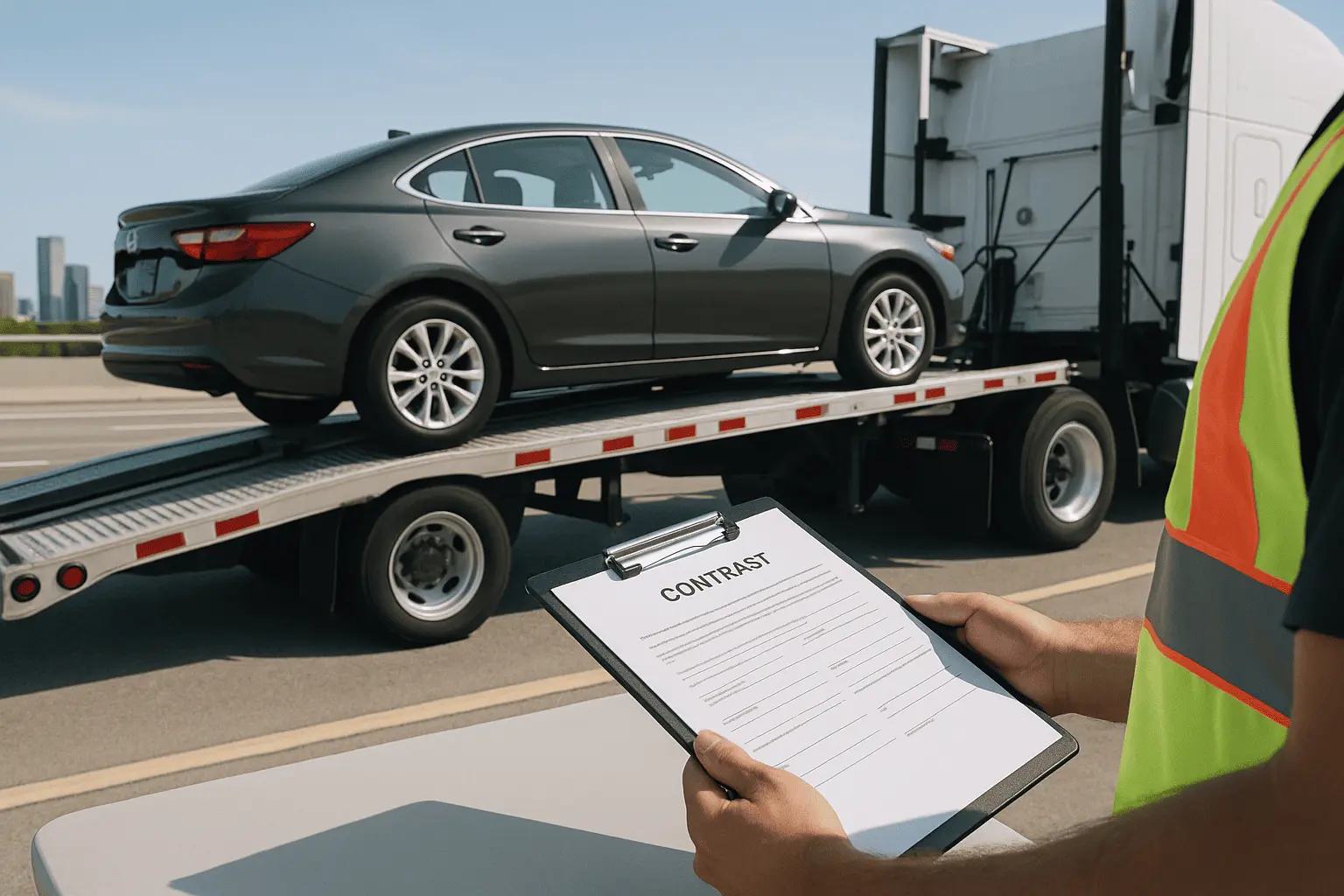
When individuals or companies arrange car shipping from Europe to Dubai, they are engaging in one of the most complex logistical tasks in modern transport. This process is not simply about loading a car onto a ship; it involves cross-border regulations, customs clearances, multi-stage transport routes, and the expertise of specialists who can navigate each step. The distance, the value of the vehicles involved, and the legal frameworks across multiple jurisdictions make it a unique challenge. Understanding how the system works helps individuals and businesses prepare better, avoid unnecessary costs, and ensure their vehicles arrive safely.
Understanding the Journey from Europe to Dubai
Most cars shipped from Europe begin their journey at major ports such as Hamburg in Germany, Antwerp in Belgium, or Barcelona in Spain. These ports are chosen because of their high traffic volume, advanced facilities, and regular connections with the Middle East. From there, vessels typically cross the Mediterranean Sea, pass through the Suez Canal, and continue into the Arabian Gulf before reaching Jebel Ali in Dubai. The journey can take three to six weeks depending on scheduling, weather, and port congestion. While this appears straightforward on paper, there are multiple points where delays or complications can occur. Weather conditions in the Mediterranean, bottlenecks at the Suez Canal, or heavy congestion at major Gulf ports all create risks that require planning.
Customs and Compliance Requirements
Compliance is at the heart of long-distance vehicle shipping. Dubai has specific requirements for cars being imported. Vehicles must be left-hand drive to be registered for road use. Importers must prepare documents such as the original vehicle title, export certificates from the country of origin, and a bill of lading. Customs officers in Dubai inspect vehicles to verify condition, value, and compliance with import rules. Missing paperwork can result in delays and storage fees at the port, which quickly accumulate. Reputable shipping providers take responsibility for managing documentation, ensuring accuracy, and liaising with customs officials to prevent these issues.
Why Professional Companies Are Essential
Because of the challenges in car shipping from Europe to Dubai, individuals rarely manage the process on their own. Professional logistics companies provide access to established shipping networks, coverage, and experience handling customs. They also offer containerization, inspection reports, and even door-to-door services where cars are picked up at a European address and delivered directly in Dubai. Their role is not just to move the car but to guide clients through regulations, and safety protocols options. In many cases, the peace of mind that comes from working with a trusted company is as valuable as the service itself.
The Significance of Proper Preparation
Preparation begins weeks before the vehicle leaves Europe. Cars must be cleaned thoroughly to allow for accurate inspection. Fluids may need to be drained, batteries disconnected, and spare parts secured. Owners are advised to photograph their vehicles to document existing condition in case of disputes. These steps ensure smooth customs clearance and reduce the risk of damage in transit. Skipping preparation often leads to costly mistakes, such as vehicles being rejected at port or suffering preventable damage.
The Broader Context and Future Outlook
Car shipping is not only about relocating personal vehicles. Businesses import fleets for resale, leasing companies ship vehicles to meet demand, and collectors move luxury or vintage cars between Europe and Dubai. With Dubai’s position as a global hub, demand for car imports continues to grow. Future trends include digital documentation, blockchain-based tracking, and faster customs procedures that will make the process more efficient.
Car shipping from Europe to Dubai is not a task to be taken lightly. It is a complex logistical process that requires expertise, preparation, and careful coordination. By understanding the journey, complying with regulations, and working with professional companies, owners and businesses can ensure their vehicles arrive safely and on schedule.