
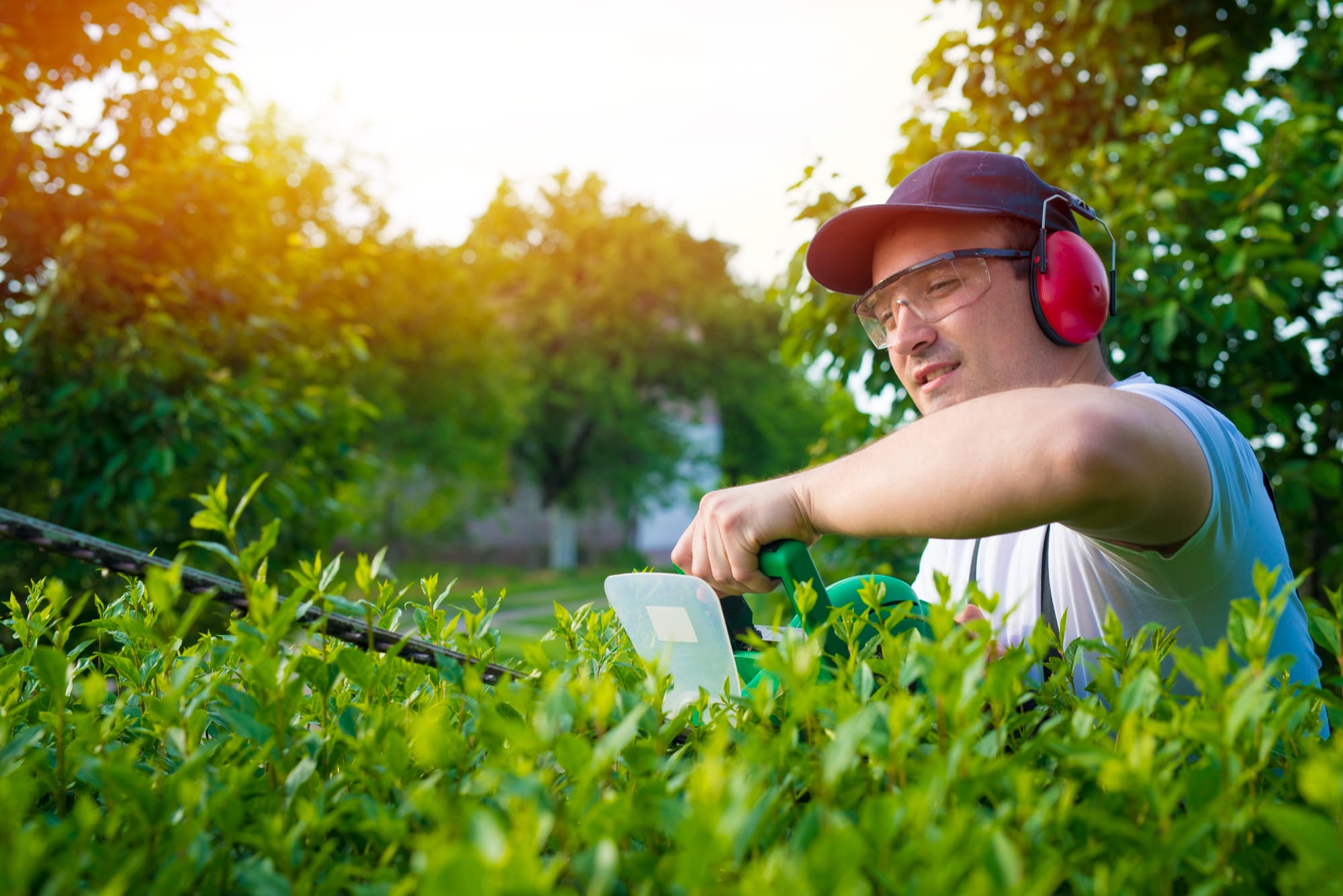
Most people do not think much about their trees until something forces them to.
It might be a heavy branch falling after strong winds. It might be a tree that has slowly started leaning. Or perhaps roots have begun lifting paving or affecting drainage. What was once just part of the background suddenly becomes a problem that needs urgent attention.
The truth is that trees are long-term living structures. They grow steadily, respond to their environment, and sometimes develop weaknesses that are not obvious from the ground. Proper maintenance is not just about appearance. It plays a major role in safety, property protection, and environmental health.
Why Trees Matter More Than We Realise
Healthy trees are one of the most valuable features in any outdoor space. They create structure and privacy, provide shade in warmer months, and give gardens a sense of maturity that takes years to develop.
Beyond visual appeal, trees have measurable environmental benefits. They absorb carbon, improve air quality, reduce noise pollution, and support wildlife habitats. According to the Woodland Trust, trees are essential for biodiversity because they provide food and shelter for countless species across the UK. You can explore more about this on their biodiversity resource page here.
When trees are healthy and properly maintained, they continue to offer these benefits safely. When they are neglected, they can become a risk.
The Risks of Ignoring Tree Maintenance
From ground level, most trees appear stable. Leaves return each year. The trunk looks solid. Nothing seems obviously wrong.
However, problems often begin internally or high in the canopy, where they are difficult to spot.
Common issues include:
- Dead or weakened branches
- Dense canopies catch excessive wind
- Structural imbalances
- Fungal growth at the base
- Cracks forming along main limbs
Storm damage is one of the most frequent outcomes of neglected trees. High winds expose structural weaknesses that may have been developing for years.
Regular inspections significantly reduce the likelihood of unexpected failures.
What Professional Tree Surgery Involves
Tree surgery is far more technical than many people assume. It requires knowledge of tree biology, structural mechanics, and safe working practices.
Professional tree care may include:
- Tree reductions to control size and weight
- Crown lifting to improve clearance and light
- Crown thinning to allow airflow through the canopy
- Pollarding to manage long-term growth
- Dead wood removal to eliminate hazards
- Sectional dismantling where space is restricted
Every cut matters. Incorrect pruning can stress a tree, encourage weak regrowth, or increase the risk of disease.
The Royal Horticultural Society explains how proper pruning supports long-term tree health and why timing and technique are so important. Read the tree pruning guide here.
This is why professional training and certification matter. Tree surgery is not simply cutting branches back. It is controlled, strategic work that aims to preserve structure and longevity.
When Tree Removal Is the Right Decision
Most experienced professionals will always try to retain a tree if it is safe to do so. However, there are situations where removal becomes necessary.
These may include:
- Severe trunk decay
- Root instability
- Significant storm damage
- Disease beyond recovery
- Structural interference with buildings
In residential areas, especially, trees often grow close to homes, fences, and neighbouring properties. Safe removal in these settings requires careful dismantling, controlled rigging, and specialist equipment.
If you are unsure about the condition of a tree on your property, consulting a qualified Tree Surgeon in Uxbridge can help you understand whether maintenance or removal is the safest option.
The Importance of Local Expertise
Tree care is not identical across every region. Soil conditions, common tree species, weather patterns, and local regulations all influence how work should be carried out.
Some trees may be protected by preservation orders. Others may require seasonal timing to avoid disturbing wildlife.
Local professionals understand these factors. They are familiar with the species that commonly grow in the area and the problems that tend to affect them. This local knowledge helps ensure work is carried out responsibly and legally.
Domestic and Commercial Tree Care
The needs of homeowners and businesses can differ considerably.
Homeowners often focus on:
- Improving the light in the garden
- Reducing overgrowth
- Removing hazardous branches
- Enhancing appearance
Commercial property managers may prioritise:
- Public safety compliance
- Risk assessments
- Regular maintenance schedules
- Documentation for insurance purposes
In both cases, professional tree care helps reduce liability and maintain safe environments.
Why Qualifications and Insurance Matter
Tree surgery involves working at height, handling chainsaws, and managing heavy timber. It is classified as high-risk work.
Qualified professionals are trained in:
- Safe climbing techniques
- Chainsaw operation
- Aerial rescue procedures
- Risk assessment
- Correct pruning standards
Insurance is equally important. Public liability cover protects both the contractor and the property owner in the unlikely event of accidental damage.
Choosing an experienced and properly insured provider protects you from unnecessary risk.
Preventative Care vs Emergency Callouts
Many property owners only arrange tree work after something has already gone wrong. However, preventative maintenance is usually far more cost-effective.
Regular care can include:
- Light structural pruning
- Deadwood removal
- Monitoring for disease
- Managing canopy density
Addressing small concerns early prevents them from developing into expensive emergencies later.
Storm damage, split trunks, and fallen limbs are often the result of long-term structural weakness rather than sudden failure.
The Environmental Responsibility of Proper Tree Management
Responsible tree care balances safety with environmental awareness.
This means:
- Retaining healthy trees where possible
- Removing only when necessary
- Recommending suitable replanting
- Recycling wood waste
- Considering wildlife habitats
Trees are a vital part of local ecosystems. Maintaining them correctly ensures they continue to provide environmental benefits without posing risks to people or property.
Making Informed Decisions About Your Trees
If you have mature trees on your property, regular inspections are a sensible investment. You may not need significant work done every year, but having a professional assessment provides reassurance.
Healthy trees enhance property value, create attractive outdoor spaces, and contribute to the wider environment. Neglected trees can become costly liabilities.
Taking a proactive approach allows you to enjoy the benefits while reducing the risks.
For property owners in West London and surrounding areas, speaking with a trusted Tree Surgeon in Uxbridge can provide practical guidance tailored to your specific trees and site conditions.
Looking after trees properly is not just about keeping a garden tidy. It is about long-term safety, sustainability, and protecting one of the most valuable natural features your property has.