

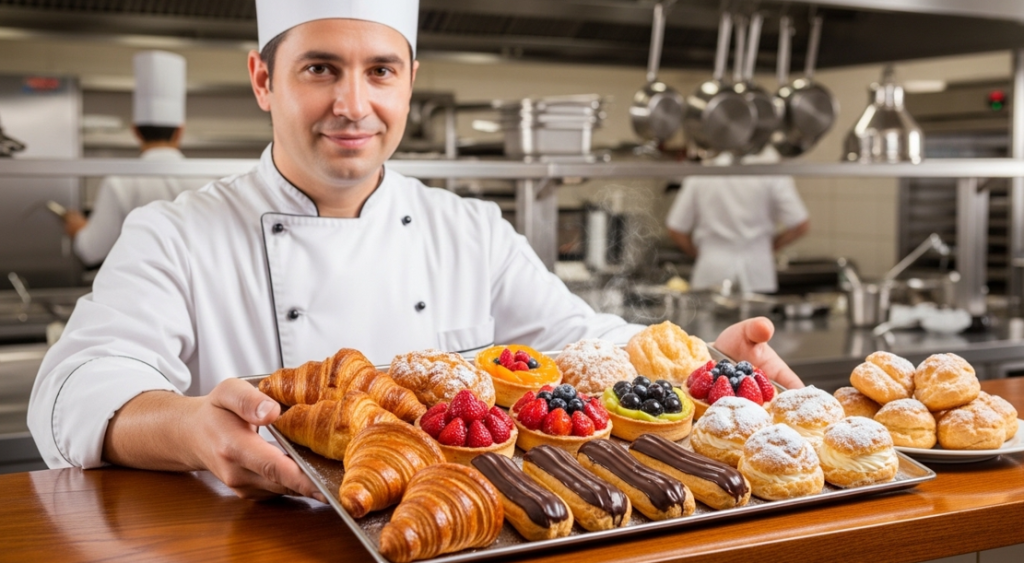
There is a distinct moment when a mild desire for something sweet transforms into an absolute necessity. This is not just about hunger. The urge for a perfectly baked treat is a complex mix of sensory memory, biological prompts for quick energy, and the simple human need for comfort. Understanding how to navigate this sudden impulse ensures that when you finally take that first bite, the experience matches the anticipation. Knowing the mechanics of dough, the balance of flavor profiles, and the best ways to enjoy these creations elevates a simple snack into a truly rewarding culinary moment.
The Biological Triggers Behind the Sugar Urge
Our bodies are remarkably efficient at signaling what they need, even if those signals sometimes feel overwhelmingly focused on butter and sugar. A sudden craving often points to a drop in blood glucose levels, prompting the brain to seek out fast-acting carbohydrates. Baked goods offer a highly efficient delivery system for this energy, combining simple sugars with the sustained caloric burn of dietary fats. Beyond the physical need, there is a powerful psychological component tied to the aromas of vanilla, cinnamon, and caramelized flour. These scents are deeply connected to the brain’s reward centers, meaning that the desire for a warm, sweet treat is often a subconscious search for a mood boost or a moment of stress relief.
Decoding the Architecture of Baked Goods
Not all baked items serve the same purpose, and selecting the right structure is key to satisfying a specific craving. The foundation of any great bake lies in how the fat interacts with the flour. This structural framework dictates whether the final product will melt in your mouth, provide a satisfying crunch, or offer a dense, comforting chew. Recognizing these structural differences helps you pinpoint exactly what kind of treat will hit the spot when the craving becomes undeniable.
The Intricate Science of Lamination
Laminated doughs are the marvels of the baking world, requiring precise temperature control and exact rolling techniques. This process involves folding cold butter into dough repeatedly to create hundreds of alternating layers. When exposed to the intense heat of an oven, the water in the butter turns to steam, forcing the layers of dough apart before the fat melts into the flour. This reaction creates the signature shattered, flaky exterior and the airy, honeycomb interior found in croissants and Danishes. If you are craving textural complexity and a buttery finish, lamination is the exact technique you are looking for.
The Comforting Density of Enriched Doughs
On the opposite end of the spectrum are enriched doughs, which incorporate fats, eggs, and dairy directly into the mixture before proofing. This approach inhibits extensive gluten formation, resulting in a soft, tender crumb that feels substantial and deeply satisfying. Brioche, babka, and cinnamon rolls rely on this technique to achieve their pillowy textures. When your craving leans toward something warm, doughy, and intensely comforting, an enriched bake provides a grounding experience that lighter, airier doughs simply cannot match.
Navigating the Flavor Spectrum for Maximum Satisfaction
Once the preferred texture is established, the next step is identifying the right flavor profile to resolve the craving. A sharp desire for acidity might lead you toward a lemon tart or a rhubarb crumble, where the tartness cuts through the richness of the butter base. Alternatively, a deep need for earthiness and slight bitterness is best met with dark chocolate preparations or nut-based fillings like almond frangipane. When searching for the best pastries cafe in London, discerning enthusiasts often look for menus that balance these intense flavor spectrums, ensuring there is a specific creation to match every possible mood. Making the right choice prevents the palate from becoming fatigued and ensures every single bite remains interesting.
The Crucial Role of Freshness and Temperature
The window of optimal enjoyment for a baked good is surprisingly narrow. The texture of a flaky crust begins to degrade the moment it leaves the oven, as the starches begin to recrystallize and absorb moisture from the surrounding air. This process transforms a shatteringly crisp exterior into a chewy, lackluster shell. To truly respect your craving, timing is everything. Seeking out items that have been baked on the same day is non-negotiable for serious enthusiasts. Additionally, knowing whether an item should be served warm or at ambient temperature drastically alters the tasting experience. A fruit galette benefits from a slight warming to release the juices, while a custard-filled eclair demands to be kept cool to preserve the integrity of the cream.
Strategic Beverage Pairings to Elevate the Crumb
Eating a high-quality bake without a carefully considered beverage is a missed opportunity for culinary synergy. The right drink acts as a palate cleanser, washing away residual fats and preparing the tongue for the next bite. A robust, dark roast coffee possesses the necessary bitterness to slice through the heavy sweetness of a caramel pecan roll. Conversely, a delicate, buttery Madeleine is easily overpowered by strong coffee and is much better suited to the floral, subtle notes of an Earl Grey tea. Understanding this interplay allows you to construct a complete tasting experience rather than simply consuming sugar.
Crafting the Ultimate Indulgence Strategy
Giving in to a craving should be an event rather than a rushed afterthought. It is highly beneficial to set aside dedicated time to sit and appreciate the complexities of the chosen item. Eating on the go or while distracted masks the subtle flavors of toasted flour and browned butter that bakers work so hard to develop over many hours. Engaging all the senses by noticing the visual sheen of a glaze, listening for the audible crack of a well-baked crust, and inhaling the aromas before tasting transforms a basic snack into a mindful ritual.
A Dedication to the Art of the Oven
Creating the perfect baked good requires an unwavering commitment to quality ingredients and precise techniques. At Kula Cafe, the approach to the daily bake is rooted in honoring the traditions of classical baking while exploring innovative flavor combinations. Every item that graces the counter is the result of careful recipe development, utilizing premium butter, stone-ground flours, and fresh, seasonal fillings. The focus remains entirely on delivering a product that stands out through its structural integrity and balanced sweetness. Kula Cafe understands that a craving is a demand for excellence, and the kitchen is dedicated to exceeding those expectations with every single batch that emerges from the oven.
Conclusion
Satisfying a deep-seated craving for a sweet treat is an art form that requires a bit of knowledge and a lot of appreciation for the craft of baking. By understanding the different types of doughs, the importance of flavor balance, and the critical role of freshness, you can elevate your choices and guarantee a highly rewarding experience. It is about moving beyond the simple consumption of sugar and embracing the complex textures and aromas that make these creations so special.
Taking the time to pair your chosen item with the correct beverage and eating it mindfully ensures that the effort put into the baking process is fully realized on your palate. This level of attention transforms a passing urge into a moment of genuine culinary appreciation. Whether you find yourself drawn to the airy layers of a laminated dough or the dense comfort of a brioche, making informed choices leads to a much more fulfilling indulgence.