

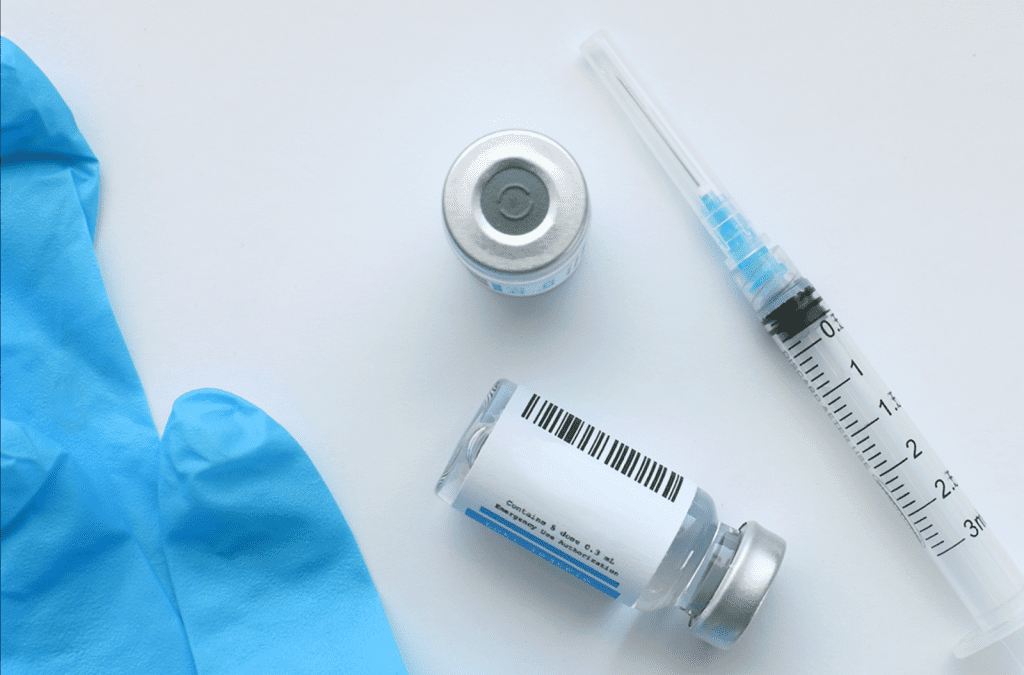
Recovery can feel slow when joints ache or muscles stay sore after rink nights. Peptides are tiny protein pieces that act like body signals in you. In the US, gyms and clinics talk most about BPC-157 and TB-500 these days.
You may also hear of CJC-1295, ipamorelin, or copper GHK-Cu for recovery stacks. Each one aims at repair, by nudging cells to build, calm, or grow. Some may support tendon comfort, skin glow, or better sleep rhythm.
Also, recovery is not only about peptides and protein shakes. Sleep, physio, and smart training still do the heavy lifting. In the US, many people pair rehab with skating, hiking, or snow shovelling. However, sore joints need real checks like imaging or lab work.
On the other hand, a good clinician can spot red flags early before you chase the fix. Research is still in its early stages, and US rules must be followed before any use. Read this guide to learn the basics, then ask a qualified doctor.
Most Popular Peptides Used for Healing and Recovery
In the USA, Peptide Therapy shows up in private clinics and wellness talks. However, stay warned about unauthorized injectable peptide drugs, so check the safety and sourcing of the peptides.BPC-157
BPC-157 is often called a “healing peptide” for soft tissue repair. It comes from a protective protein found in the stomach area. In early research, it appears to support tissue integrity and calmer inflammation. It may also help blood flow where healing feels stuck.
Better blood flow can bring oxygen and building blocks to sore areas. Tendons and ligaments may benefit because they heal slowly. Some clinics in Chicago describe it as supporting collagen and angiogenesis.
However, evidence in humans is still limited, so expectations should stay grounded.
TB-500
TB-500 is linked to thymosin beta-4, a peptide tied to repair signals. Think of it like a “move and mend” message for cells. Research on thymosin beta-4 shows effects on cell migration and wound repair. That cell movement matters when tissue needs closing and rebuilding.
It’s also connected to angiogenesis, which means new tiny blood vessels. More micro-blood flow can mean better nutrient delivery to injured spots.
TB-500 often gets paired with stubborn strains and tight mobility. On the other hand, most proof is preclinical, not large human trials.
GHK-Cu
GHK-Cu is a copper peptide that shows up in skin and repair science. It is a small tripeptide that binds copper ions tightly. Copper matters because it supports enzymes used in tissue building. In studies, GHK-Cu is linked with collagen support and skin remodeling.
This can matter after scars, irritation, or slow wound closure. It’s also discussed for calmer oxidative stress, which can help recovery feel smoother.
In addition, it’s common in topical skincare, not only injections. US clinics often use it for skin quality and tissue repair goals.
CJC-1295
CJC-1295 works through the growth hormone pathway indirectly. It is a long-acting GHRH analog that signals the pituitary to release growth hormone. Growth hormone can raise IGF-1, which supports tissue maintenance and repair.
In clinical research, CJC-1295 increased GH and IGF-1 levels in adults. That matters because deep recovery depends on rebuild signals, not only rest. Clinics often recommend sleep and training recovery.
However, hormone pathways are powerful, so medical screening matters. In the US, checking what’s authorized for sale is also smart.
Ipamorelin
Ipamorelin is a growth hormone secretagogue, meaning it nudges GH release. It acts on the ghrelin or GHS receptor, which helps trigger GH pulses. One big detail is selectivity, because older compounds hit cortisol more.
In research, ipamorelin was described as selective for GH release. That can be appealing when recovery is the goal, not stress hormones.
More GH pulses may support muscle repair signals after hard training. For example, sore legs after a long skate can linger for days. Still, hormone peptides are not casual wellness toys, despite the hype.
Sermorelin
Sermorelin is basically a short piece of natural GHRH, called GHRH (1-29). It binds the GHRH receptor and prompts the pituitary to release growth hormone. That GH release tends to come in pulses, closer to the natural rhythm.
Pulses matter because constant hormone levels can feel “off” for the body. In recovery terms, sermorelin is used to support sleep quality and tissue rebuilding. Better sleep can improve repair, mood, and workout bounce-back.
Some US clinics list sermorelin among their targeted peptide options. However, don’t assume any product is approved or legal without checking.
Thymosin Alpha-1
Thymosin alpha-1 is less about muscles and more about immune balance. It comes from the thymus and is known for its immune-modulating effects. Research describes it acting through toll-like receptors and immune signaling pathways.
When immune function is steadier, recovery from illness or stress can feel less bumpy. That matters in winter, when colds bounce around American schools and offices.
It is also studied in infection and immune-compromised settings, not gym recovery alone. On the other hand, immune peptides are complex, and outcomes vary a lot. Medical guidance is important, especially with chronic conditions.
PEG-MGF
PEG-MGF is linked to mechano growth factor, a splice variant related to IGF-1. MGF is associated with muscle repair signals after mechanical stress. The “PEG” part is added to make it last longer in the body. A longer life can mean a longer repair signal window.
Some sources describe MGF as supporting satellite cells, which help rebuild muscle fibres. That’s why it gets talked about after intense lifting blocks and injury rehab.
However, it sits closer to research-use territory than everyday wellness. In the US, avoid underground sellers, since the government has seized many unauthorized peptide drugs.
Conclusion
Healing and recovery can feel slow when your body needs extra care. You now know how repair signals may guide tissues back to strength. In the US, safety rules matter, so check sources and labels. Talk with a licensed clinician before trying any new therapy.
Also, track sleep, food, movement, and pain each day. Small wins add up, and setbacks happen. Choose steady steps, and give your body time to rebuild well.