
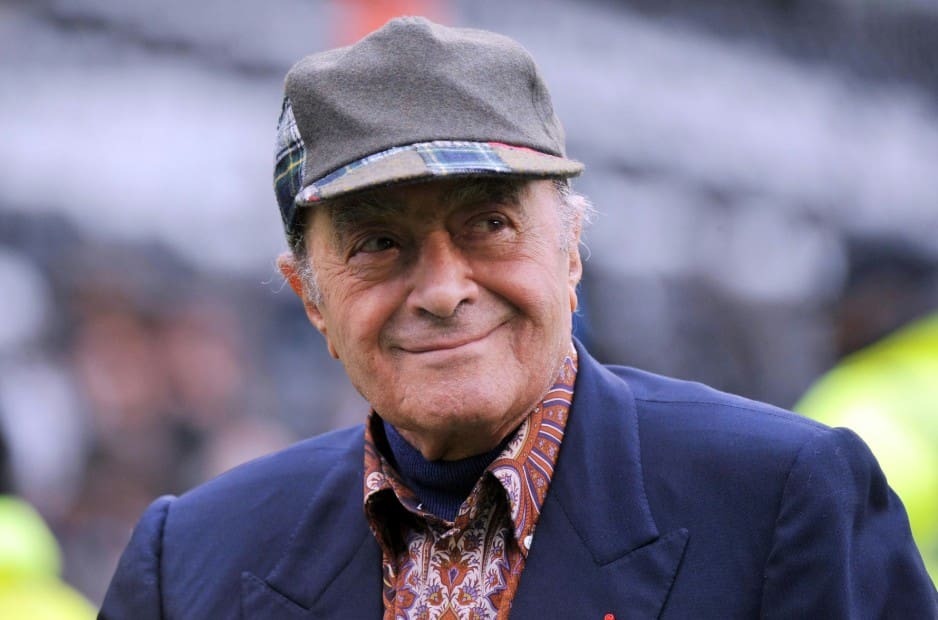
Mohamed Al-Fayed, an Egyptian businessman and former owner of iconic establishments like Harrods and Fulham Football Club, has left an indelible mark on the worlds of retail and sports. His life story, marked by ambition, controversy, and philanthropy, reflects a complex legacy. This article delves into the various facets of Al-Fayed’s business empire, his wealth accumulation, personal life, and lasting impact on society.
Early Life and Background
Mohamed Al-Fayed was born on January 27, 1929, in Alexandria, Egypt, into a modest family. His father was a prominent politician, which exposed him to the intricacies of business and governance from a young age. Al-Fayed’s early experiences, including the political turmoil in Egypt and his subsequent migration to Europe, shaped his entrepreneurial spirit. He began his career in business with a focus on trade and gradually expanded his interests, seeking opportunities in the burgeoning markets of the 1960s.
Entry into Business
Al-Fayed’s entry into the business world was marked by a series of ventures in Egypt, but his significant breakthrough came after he moved to Europe. In the 1960s, he partnered with his brother, Ali, and ventured into international trade. However, it was his entry into the luxury retail sector that solidified his status as a prominent businessman. In 1985, he acquired Harrods, the renowned London department store, for a reported £250 million, transforming it into a luxury retail haven and a global tourist attraction.
Major Business Ventures
Harrods
The acquisition of Harrods was a pivotal moment in Al-Fayed’s career. Under his ownership, Harrods underwent a massive transformation, enhancing its reputation as a luxury destination. Al-Fayed invested heavily in the store, modernizing its facilities and expanding its product offerings. He introduced exclusive brands and a unique shopping experience, making Harrods synonymous with luxury.
Fulham Football Club
In 1997, Al-Fayed expanded his portfolio by purchasing Fulham Football Club, a then-struggling team in the English Football League. His investment revitalized the club, leading to its promotion to the Premier League in 2001. Al-Fayed’s tenure at Fulham was characterized by ambitious plans for the club, including the redevelopment of Craven Cottage, which became a more modern and appealing venue.
Other Investments
Beyond Harrods and Fulham, Al-Fayed made several strategic investments in various sectors, including hospitality, real estate, and manufacturing. He owned luxury hotels, including the Ritz Paris, and invested in properties across London and beyond. His ventures extended to interests in the film industry, notably financing projects that aimed to promote Egyptian culture.
Wealth Accumulation
Mohamed Al-Fayed’s wealth accumulation can be attributed to a combination of strategic investments and his ability to identify emerging trends in various markets. His business acumen allowed him to capitalize on opportunities, particularly in the luxury sector. The success of Harrods and Fulham Football Club significantly contributed to his financial success, as did his diversification into real estate and hospitality. Over the years, Al-Fayed has been estimated to have a net worth in the hundreds of millions, with estimates on his Al-Fayed worth highlighting the scale of his financial achievements.
Controversies and Challenges
Despite his success, Al-Fayed’s journey has not been without challenges and controversies. His outspoken nature and contentious relationships with certain sectors of the British establishment have often placed him in the media spotlight. Notably, his allegations regarding the circumstances surrounding the death of Princess Diana, for whom he expressed great affection, led to significant public scrutiny. He claimed that her death was not accidental, resulting in a long-standing feud with the British royal family and media.
British Citizenship
One of the intriguing aspects of Al-Fayed’s life is his decision not to pursue British citizenship, despite his extensive business interests and long residency in the UK. His citizenship status has often been a topic of discussion, particularly in light of his contributions to British society through his businesses. The reasons for his choice remain somewhat ambiguous, though it has been suggested that his feelings about the British establishment and his status as an outsider played a role. Al-Fayed has expressed frustration with the bureaucracy of the UK government, which may have influenced his decision.
Philanthropy and Contributions
Al-Fayed’s legacy extends beyond his business ventures to his philanthropic efforts. He has been a prominent supporter of various charitable causes, particularly in education, healthcare, and the arts. He established the Al-Fayed Charitable Foundation, which focuses on supporting projects that benefit children and promote social development. His contributions to education include funding scholarships and supporting institutions that aim to improve access to education for underprivileged communities.
Personal Life and Encounters
Is Mohamed Al-Fayed Still Alive?
As of now, Mohamed Al-Fayed is alive, continuing to be an influential figure in business and philanthropy. While he has stepped back from day-to-day operations of his businesses, his legacy remains strong, with ongoing interest in his past endeavors and contributions.
Did Mohamed Al-Fayed Ever Meet Queen Elizabeth?
Al-Fayed’s relationship with the British royal family has been complex. He famously claimed to have met Queen Elizabeth II on several occasions, particularly during events at Harrods and other royal engagements. However, their interactions have often been overshadowed by the controversies surrounding his claims about Princess Diana’s death and his public criticisms of the monarchy. Despite these tensions, Al-Fayed’s presence in British society and his interactions with the royal family remain noteworthy.
Legacy and Influence
Mohamed Al-Fayed’s legacy is multifaceted, encompassing his contributions to the luxury retail industry, his influence on British football, and his philanthropic efforts. His approach to business, marked by ambition and a desire to innovate, has inspired many entrepreneurs. The transformation of Harrods into a global luxury brand is a testament to his vision and determination.
Al-Fayed’s story is also a reminder of the challenges faced by immigrants seeking to establish themselves in foreign markets. His experiences highlight the complexities of navigating cultural and societal expectations while striving for success.
Conclusion
In conclusion, Mohamed Al-Fayed’s life and business empire reflect a legacy of ambition, resilience, and controversy. From his transformative ownership of Harrods to his investments in football and philanthropy, Al-Fayed’s impact on both the business world and society is undeniable. His journey serves as an inspiration to aspiring entrepreneurs, showcasing the potential for success while also underscoring the challenges that can accompany it. As we reflect on his legacy, it is clear that Mohamed Al-Fayed has carved out a unique place in the annals of business history, one that will continue to resonate for years to come.