
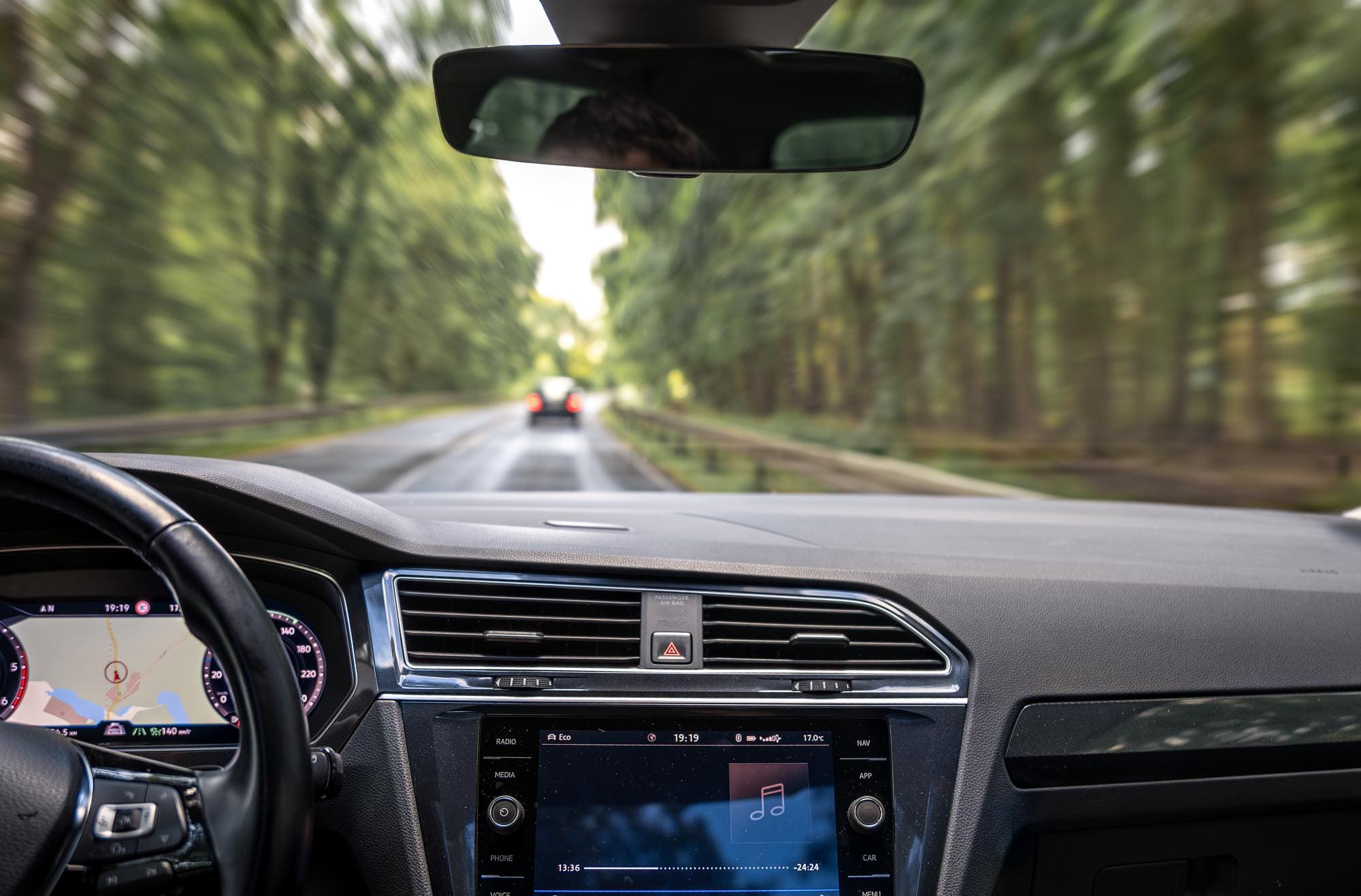
When we think about vehicle innovation, our minds often jump to electric drivetrains, autonomous driving software, or sleek carbon-fiber bodies. However, one of the most significant engineering marvels of the last decade is sitting right in front of you: the windshield. In 2026, auto glass has evolved from a simple protective pane into a complex, multi-layered safety system. For the modern driver, understanding the technology behind this “invisible shield” is the first step in maintaining a vehicle’s long-term value and safety.
The Anatomy of Advanced Laminated Glass
Modern windshields are not made of a single sheet of glass. They consist of “laminated safety glass” (often called Triple-X), which features two layers of glass sandwiching a specialized inner layer, typically made of Polyvinyl Butyral (PVB). This design serves two critical purposes:
- Anti-Laceration Protection: If the glass breaks, the PVB interlayer holds the shards together, preventing sharp fragments from flying into the cabin.
- Sound Dampening: Acoustic-grade interlayers significantly reduce wind and road noise, creating the quiet, premium cabin experience that modern drivers expect.
Despite this toughness, the outer layer is still susceptible to road debris. A tiny chip might seem minor, but it compromises the tension between the layers. If you notice even the smallest “bullseye” or “star” fracture, seeking expert windshield chip repair immediately is the only way to restore the structural bond before a temperature change causes the layers to delaminate.
Windshields as a Digital Interface
The windshield of a 2026 vehicle is increasingly becoming a piece of hardware. With the rise of Head-Up Displays (HUDs), the glass now acts as a projection screen for navigation, speed, and safety warnings. This requires the glass to have a specific “wedge-shaped” interlayer to prevent double-imaging or “ghosting” of the digital display.
Furthermore, the area around the rearview mirror is now a high-tech hub. It houses rain sensors, light sensors, and the Forward-Looking Infrared (FLIR) cameras used in night vision systems. When this glass is damaged, it isn’t just a visibility issue; it’s a system failure. This is why professional auto glass replacement must be performed by technicians who understand the intersection of mechanical installation and electronic calibration. A generic, low-quality glass might fit the frame, but it could distort the HUD or cause the sensors to malfunction.
Why Quality Matters: The Hidden Costs of Cheap Glass
It can be tempting to choose the cheapest quote when you need a new windshield. However, “economy” glass often lacks the precise curvature and thickness required by original equipment manufacturer (OEM) standards.
Using sub-standard glass can lead to:
- Optical Distortion: Slight waves in the glass that cause eye strain and headaches during long drives.
- Poor Seal Integrity: Sub-par adhesives can lead to wind whistles, water leaks, and even rust formation around the vehicle’s pinch weld.
- Reduced Cabin Safety: In an accident, inferior glass may not provide the necessary support for airbag deployment.
Investing in high-quality materials ensures that your vehicle remains as safe as the day it left the factory. For those looking to restore their vehicle’s integrity, getting a certified auto glass service ensures that you are receiving glass that meets or exceeds all safety regulations.
Long-Term Maintenance for the Modern Driver
To protect your investment, consider a proactive approach. Beyond fixing chips early, ensure your vehicle’s body is washed regularly to remove corrosive road salts that can degrade the glass seals. Additionally, always use high-quality, hydrophobic glass treatments to help water bead off instantly, reducing the workload on your wiper blades and preventing fine scratches from forming.
Conclusion
Your windshield is far more than a window; it is a structural pillar, a technological interface, and a vital safety barrier. As vehicle technology continues to advance, the importance of maintaining this component cannot be overstated. By choosing expert repairs and high-quality replacements, you are not just fixing a crack—you are ensuring that every safety system in your car can do its job to protect you and your family. Clear vision is the foundation of safe driving, and your car deserves nothing less than the best.