
The Art and Evolution of Jockey Gear
Before the roar of the crowd and the thunder of hooves, there’s a quiet ritual — a rider preparing for the race. Jockeys don’t just wear gear; they wear history, science, and pride all stitched into a single outfit. What began centuries ago as colorful silks and leather boots has evolved into a precise blend of aerodynamics, ergonomics, and heritage. Horse racing has always been as much about identity as it is about speed. In the 18th century, when aristocrats began formalizing race meets, they sought to distinguish their horses from one another. That’s how “racing silks” were born — bright colors and patterns representing families, stables, or owners. Over time, these became codified, recorded in registries to ensure every owner’s unique design remained theirs alone. Yet, beneath that vivid tradition lies a constant pursuit of performance. Today’s racing apparel is crafted with cutting-edge textiles that reduce drag, manage moisture, and fit like a second skin. What might look like a simple set of pants and a top is actually the result of generations of innovation — from natural fibers to synthetic blends engineered for maximum stretch and minimum weight. The evolution of jockey gear parallels the broader story of equestrianism itself: a fusion of art, discipline, and motion. Every piece, from the boots to the cap, serves a distinct biomechanical and cultural purpose.
Anatomy of Modern Jockey Apparel
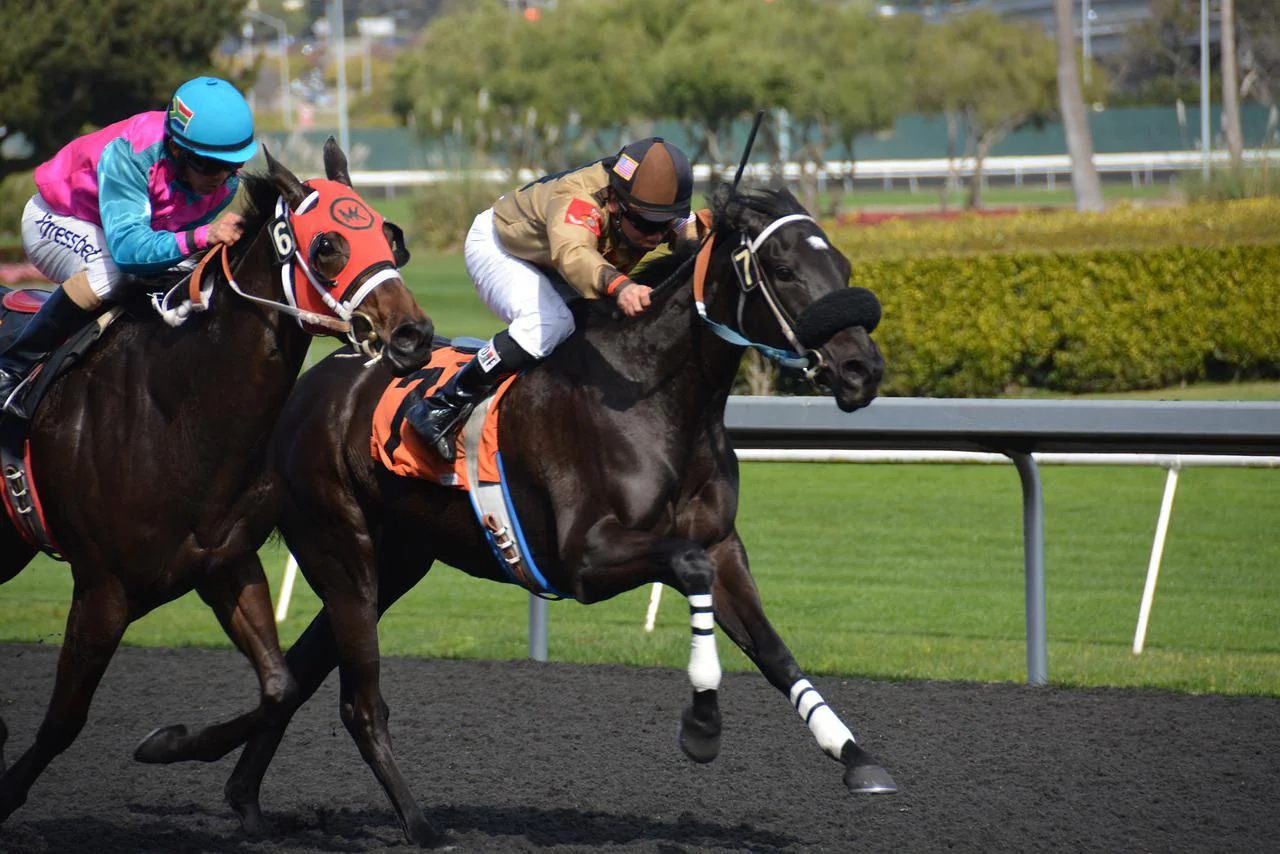
To understand why jockey clothing is designed the way it is, one has to consider both the physics of racing and the physiology of the athlete. The jockey rides in a crouched position, balancing between control and aerodynamics, and their clothing must support that posture without hindering agility. A well-made racing outfit includes several key components:
- Silks (the top): Traditionally made of satin or nylon, designed to be light yet durable. Each color and pattern combination is unique, representing the owner’s registered design.
- Breeches: Close-fitting trousers, often reinforced with elastic panels and silicone grips for secure leg placement.
- Vest or body protector: Required in nearly all professional circuits for safety. Lightweight yet impact-resistant foam or gel padding ensures the rider’s torso is shielded without adding unnecessary weight.
- Boots: Made for balance and communication with the stirrups. Leather remains popular, but hybrid synthetics are emerging for better weather resistance.
- Helmet and cover: Designed for shock absorption with a silk or lycra cap that matches the stable’s colors.
It’s easy to underestimate how much design effort goes into shaving off mere grams of weight. In competitive racing, even the smallest improvement in airflow can translate to milliseconds saved on the track. Jockeys must also manage temperature and sweat. Synthetic fabrics with micro-mesh ventilation zones are now common, especially in warm-weather circuits like California or Florida. Meanwhile, cold-weather races demand thermal layers that retain flexibility. The intersection of athletic science and tradition makes the sport distinct. Unlike many other athletic uniforms, jockey apparel must satisfy both regulatory standards and centuries-old symbolism.
The Function and Fit of Jockey Outfits Horse Racing
The modern racing outfit is both armor and identity. It’s tailored not just to the rider’s build but also to their riding style, the horse’s temperament, and even the race conditions. The phrase “form follows function” could not be truer in horse racing. At the heart of a professional’s gear is the fit. Every movement in the saddle — every lean, rise, and tuck — is amplified by speed. Ill-fitting clothing can create drag, chafing, or distractions that cost a race. Seam placement, stretch zones, and weight distribution are carefully engineered for both comfort and aerodynamic efficiency. The outfit itself tells a story:
- Colors and patterns are chosen not only for recognition but for psychology. Horses can sense their rider’s body tension, and consistency in apparel helps maintain the partnership’s rhythm.
- Fabric composition combines elasticity with breathability, often using a tri-blend of polyester, elastane, and spandex.
- Protective integration allows safety vests to sit beneath silks seamlessly, avoiding bulk.
- Moisture-wicking properties ensure that sweat is managed without compromising grip.
Many riders describe their gear as an extension of themselves — a tactile link between thought and motion. A jockey’s outfit isn’t about fashion; it’s about trust. Trust in your balance, your equipment, and your horse. In the paddock before a race, it’s common to see riders meticulously checking every seam, adjusting breeches, and aligning boots. These habits are as much psychological preparation as they are practical — rituals honed over countless rides. When you examine professional-grade apparel up close, you’ll notice reinforced seams in key flex areas, micro-perforated vent zones, and specialized grips along the inner leg. Each modification stems from decades of feedback between designers, riders, and trainers. Racing apparel represents the ultimate compromise: light enough to feel invisible, tough enough to save a life.
The Unsung Hero: Jockey Goggles
Among all the gear a jockey wears, few items endure as much abuse as goggles. These small lenses protect the rider’s vision from flying dirt, mud, wind, and sunlight — often in high-speed, chaotic conditions. In the heat of a race, every second counts, and so does every blink. A jockey might wear multiple pairs of goggles stacked on top of one another. As mud or dust obscures one layer, they simply peel it off mid-race, revealing a clean set beneath. It’s a maneuver so quick and practiced that spectators rarely notice it happening. The evolution of racing eyewear is fascinating. Early jockeys wore little more than rudimentary glasses, which fogged or broke easily. Modern goggles, however, are precision-engineered from polycarbonate materials that resist impact and distortion. They’re treated with anti-fog coatings and UV filters to protect against glare, especially in afternoon races. Different tracks and weather call for variations in tint:
- Clear lenses for night or overcast races.
- Amber or yellow tints to enhance depth perception in low light.
- Dark smoke or mirrored lenses for bright, sunlit conditions.
- Ventilated frames to reduce fog buildup in humid environments.
Comfort also plays a significant role. The padding must create a perfect seal without digging into the skin, and the strap tension must hold firm without restricting movement. Many professional riders customize their goggles’ fit or padding density, adjusting them for helmet compatibility. The balance between clarity, protection, and comfort makes goggles indispensable. Without them, visibility would deteriorate rapidly in a race where debris can hit the face at over 40 miles per hour. Interestingly, eyewear has become a subtle part of a jockey’s identity too. Some choose tinted lenses to complement their silks, while others prioritize pure performance and opt for minimal reflection. In either case, goggles are as vital to safety as the helmet itself.
From Dirt to Turf
Every racetrack is a living organism — it changes with the weather, the crowd, and the day’s humidity. What works on one track might fail on another, which is why adaptability in gear design is crucial. Racing surfaces typically fall into three main types: dirt, turf, and synthetic. Each demands a slightly different approach to clothing and protective wear. Dirt tracks are notorious for the debris they kick up. Riders often stack more goggle layers and wear tighter sleeves to minimize exposed skin. Breeches for dirt conditions may incorporate added inner thigh reinforcement to handle shifting grit.
Turf races, meanwhile, tend to be smoother but slicker, especially after rainfall. In these cases, apparel must emphasize flexibility and grip, allowing the jockey to maintain stability even as the horse navigates turns at high speed. Synthetic surfaces have grown in popularity for their consistency and reduced injury risk. However, their unique material composition — often rubberized or wax-coated — creates distinct microclimates.
Riders may switch to fabrics with enhanced ventilation or lighter weaves to avoid overheating. Weather compounds these variables. Rain can turn silks into sponges, so water-resistant coatings are applied to certain gear sets. On the other hand, hot, dry conditions demand mesh-backed jerseys and breathable underlayers. In short, no two races ever feel the same. Jockeys must prepare for micro-adjustments every time they suit up. The ability to anticipate how their clothing will behave under different conditions is part of their craft — one that separates seasoned professionals from novices.
Symbolism, Color, and Team Identity
Even in the era of performance fabrics and 3D body scanning, horse racing never forgets its roots. The color and pattern of a jockey’s silks remain one of the most visually striking traditions in all of sports. They’re more than decoration — they are living emblems of loyalty and legacy. In the stands, spectators may not recognize every jockey, but they recognize the colors.
These silks communicate heritage. The bold checks, diamonds, stars, and stripes date back to family crests from early English and Irish racing stables. Color psychology also subtly influences perception. Bright hues like red and orange convey aggression and vitality, while blues and greens signal calm control.
Owners often choose combinations that reflect their stable’s philosophy — or simply stand out in the crowd. Beyond aesthetics, silks serve a practical purpose: visibility. Spotters, trainers, and officials must be able to identify riders instantly amid a blur of motion. As materials evolved, so did printing technology.
Once limited to hand-sewn patterns, modern silks now use heat-transfer or sublimation methods that allow for precise logos, gradients, and ultra-light finishes without sacrificing flexibility. The evolution of silks mirrors the larger culture of horse racing: rooted in history, adapted by necessity, and defined by identity.
Maintenance, Care, and Craftsmanship
Every piece of jockey equipment tells its own story long after the race ends. From silks to boots, maintenance is an art form that blends respect with practicality. Professional jockeys and trainers know that neglecting gear isn’t just careless — it can affect safety and performance. The process begins right after the race. Mud and sweat settle into fabrics, creating abrasion and odor if left untreated.
Riders or stable hands gently hand-wash silks using mild detergents to preserve their sheen and elasticity. Modern synthetic fibers are resilient, yet even they demand care: no harsh chemicals, no wringing, and air drying only. Breeches require special attention to the inner seams and grip zones. The silicone or rubberized textures that provide traction can degrade if overexposed to heat or UV light.
Many riders store them rolled, not folded, to prevent creasing along elastic panels. Boots receive perhaps the most meticulous care of all. After each session, they’re cleaned, dried, and polished — not merely for appearance but for suppleness. Leather treated with specialized conditioners maintains flexibility, preventing cracks that could compromise balance in the stirrups. The interior of boots is sometimes lined with cedar inserts to absorb moisture and maintain shape. Goggles undergo a similar ritual. Riders rinse lenses in warm water, never wiping them dry to avoid micro-scratches that distort vision. Each goggle strap is checked for elasticity, and the foam padding is aired to prevent bacterial buildup.
Even tiny imperfections can become dangerous at 40 mph. Care extends to helmets, too. The integrity of the shell and inner padding is inspected regularly. Helmets exposed to hard impact, even once, are often replaced entirely. In this regard, equestrian safety mimics aviation — small oversights have large consequences. Craftsmanship remains central to all this. Behind every high-end set of silks or breeches stands a workshop where artisans understand balance, weight, and tradition.
Stitchers who specialize in stretch seams, cobblers who shape boots to individual ankles, and goggle engineers who adjust curvature for peripheral vision all form part of a long continuum of equestrian mastery. These craftspeople are seldom seen, but their work defines the sport’s visual and functional excellence. When racing enthusiasts talk about the beauty of horse racing, they aren’t only admiring speed; they’re acknowledging the harmony between handmade precision and athletic talent. The rider, the horse, and the gear function as one living system.
The Culture of Respect in Equestrian Sports
Beyond the roar of the finish line, horse racing thrives on respect — respect for the horse, the craft, and the discipline itself. Gear is not just worn; it’s honored. Every time a jockey tightens a strap or buttons a silk, they participate in a ritual of care that connects centuries of riders before them.
Within racing circles, this respect extends to craftsmanship. Jockeys often develop close relationships with their tailors, boot-makers, and goggle technicians. They trade feedback, discuss adjustments, and innovate together. This collaboration builds a quiet trust that mirrors the bond between rider and horse.
Respect also governs competition. Despite the fierce nature of racing, camaraderie runs deep. In the locker room, riders share advice about track conditions, equipment tweaks, and even the fit of new materials. Rivalries fade when it comes to safety — a loose strap or fogged lens is everyone’s concern.
Across continents, traditions differ but the reverence remains the same. In Japan, silks are handled ceremonially before races. In the United States, jockey rooms buzz with superstitions about colors and sequences of gear assembly. In Ireland and the UK, apprentices learn early that cleaning tack is as vital as mastering reins. This unspoken code shapes the identity of the equestrian world. The horse may be the star, but the rider’s humility sustains the partnership. Properly fitted and cared-for gear becomes a symbol of professionalism — it signals that a rider respects both their craft and their mount.
The Language of Motion
Jockey apparel also embodies the language of motion — a communication system between body and beast. The tension of a sleeve, the flex of a boot, even the scent of familiar leather all transmit subtle cues to the horse.
This dialogue has no words, yet it drives every stride. Biomechanical research reveals that when gear fits perfectly, the horse senses its rider’s weight distribution more clearly. Minuscule shifts in the jockey’s posture become readable signals rather than random pressure.
The clothing, therefore, becomes part of the communication loop. Some riders liken it to a musical instrument: tuned too tight, it restricts; tuned too loose, it loses rhythm. The same principle governs goggles — clear vision allows instant reactions, and timing dictates victory. A split second’s hesitation caused by glare or debris can determine who crosses the line first. This intricate coordination transforms racing from mere competition into choreography.
The Balance Between Innovation and Tradition
Horse racing’s technological evolution continues at a gallop. Designers experiment with nano-fibers that regulate temperature, micro-ventilation systems, and smart fabrics capable of monitoring heart rate or posture.
Yet, tradition acts as a counterweight. Purists insist on preserving the look and symbolism of classic silks, arguing that identity matters as much as innovation. The best manufacturers manage both worlds — introducing stealth performance upgrades under timeless aesthetics. Modern helmets, for example, hide advanced multi-impact foams beneath traditional velvet shells.
Breeches now use laser-cut panels for precision ventilation while maintaining the familiar white or cream tones that have long defined the sport. The future of equestrian gear will likely continue this duality: invisible technology serving visible heritage. As riders and engineers collaborate, they expand not just what is possible but what remains meaningful.
Behind the Weight: The Physics of Every Ounce
Weight is the invisible frontier of jockey design. Regulations restrict how much a jockey can weigh with equipment, often leaving only ounces of margin. Designers obsess over trimming excess — lighter zippers, thinner seams, minimalist padding. Yet every subtraction must be offset by durability and safety.
The result is a constant negotiation between physics and physiology. Consider the helmet. Its impact resistance must meet strict standards, but any added weight increases strain on the neck. Similar trade-offs exist in boots, where sole density affects both stability and fatigue.
Over long seasons, riders develop intuitive awareness of this balance. They can tell if a vest feels ten grams heavier or if a fabric traps air slightly differently. This sensitivity is not vanity; it’s calibration. When horse and rider accelerate together, those subtle differences accumulate across furlongs. Racing gear thus becomes an applied physics problem solved by artisanship.
Psychology in Fabric and Fit
Every athlete has pre-game rituals, but in horse racing those rituals are tactile. The moment a jockey slips into their silks, something changes mentally. The clothing acts as a trigger — it signals readiness, focus, and belonging. Sports psychologists note that well-fitted gear can reduce anxiety and improve coordination by creating a sense of familiarity.
The same principle explains why many jockeys resist switching brands or tailors mid-season. Comfort breeds confidence, and confidence fuels performance. Silks that cling perfectly to the shoulders or boots that flex predictably under pressure allow the rider to forget about the body and think only about movement.
Even color choice can affect mindset. Some riders claim that wearing their stable’s brightest silks amplifies adrenaline; others prefer muted tones that promote calm. Whether or not these effects are measurable, the belief in them shapes the emotional landscape of racing.
Environmental Awareness and Sustainability
The equestrian world is gradually embracing sustainability without compromising performance. Eco-friendly fabrics made from recycled polyester or organic cotton blends are entering the market. Manufacturers experiment with water-based dyes for silks and biodegradable foams for protective vests.
The aim is clear: reduce the sport’s footprint while maintaining its speed. Stable communities also champion circular practices. Damaged gear is repurposed for training or donated to riding schools. Some workshops even upcycle old silks into art or commemorative accessories, ensuring nothing of value goes to waste. This sustainable mindset aligns naturally with the equestrian ethos — caring for animals, land, and tradition in equal measure. Future generations of riders may race in apparel that not only enhances performance but also honors the environment that makes the sport possible.
The Human Element
Behind every victory photo stands an often-invisible network of labor. The tailor who stitched the seams, the cleaner who prepared the gear, the stable hand who packed spare goggles — all contribute to that moment of triumph. Recognizing their work deepens appreciation for the sport’s ecosystem. Horse racing may dazzle under floodlights, but its foundation is human craftsmanship carried out in quiet workshops and bustling barns. These people preserve continuity, ensuring that the ancient dialogue between horse and human remains alive through fabric and form.
The Culture of the Finish Line
At the finish line, applause fades but meaning lingers. The gleam of silks under stadium lights, the faint smell of sweat and turf, the rhythmic breath of a galloping horse — these sensations remind every participant why they endure the sport’s demands.
Jockey gear, though technical and precise, ultimately symbolizes resilience. It carries dirt from one race into the next, forming a tactile record of courage and care. For fans, these details offer connection; for riders, they represent devotion. The shared respect among horse, human, and craft endures far beyond any single win.
Conclusion
Jockey equipment, in all its complexity, encapsulates the spirit of horse racing — a blend of science, art, and legacy. From the aerodynamics of jockey outfits horse racing to the precision engineering of jockey goggles, each element reflects centuries of learning refined by modern ingenuity. The clothing is never just fabric; it is communication, protection, and identity intertwined.
Every stitch speaks of partnership — between tailor and rider, between rider and horse, between generations of craftsmen who have shaped the sport. Whether viewed from the grandstand or experienced in the saddle, equestrian gear stands as both artifact and innovation, linking history’s elegance with today’s pursuit of perfection. In the end, the finest races are not measured only by speed but by harmony — the seamless cooperation of body, beast, and the craftsmanship that binds them.
