
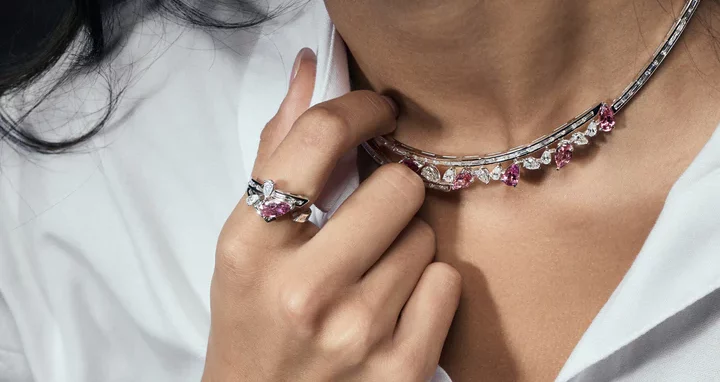
The global jewelry industry has experienced steady growth over the past decade, driven by evolving consumer preferences, rising disposable incomes, and the increasing influence of digital commerce. Jewelry is no longer viewed solely as a luxury purchase; it has become an essential part of personal style, cultural identity, and even financial investment. As the market continues to expand, businesses within the jewelry sector are adapting to new trends and opportunities to stay competitive.
One of the most notable shifts in the jewelry industry is the growing demand for personalized and customized pieces. Modern consumers are seeking products that reflect their individuality, leading to a surge in bespoke jewelry services. From engraved rings to custom-designed necklaces, personalization has become a key differentiator for brands aiming to build stronger connections with their customers.
In addition to customization, sustainability and ethical sourcing have become critical factors influencing purchasing decisions. Today’s consumers are more conscious about the origins of the materials used in their jewelry. As a result, many companies are prioritizing responsibly sourced gemstones, recycled metals, and transparent supply chains. This shift not only enhances brand reputation but also aligns with global sustainability goals.
The rise of e-commerce has also transformed how jewelry is marketed and sold. Online platforms allow brands to reach a wider audience while offering convenience and accessibility to customers. Social media, in particular, plays a significant role in shaping consumer behavior, with influencers and digital campaigns driving brand awareness and sales. Businesses that effectively leverage digital marketing strategies are more likely to succeed in this competitive landscape.
Another important trend is the increasing popularity of investment in luxury fine jewelry. Precious metals such as gold and platinum, along with high-quality diamonds, are seen as stable assets that retain value over time. This dual appeal—combining aesthetics with financial security—has attracted a broader range of buyers, including younger consumers who view jewelry as both a fashion statement and a long-term investment.
Moreover, the industry is witnessing innovation in design and technology. Advanced manufacturing techniques, including 3D printing, are enabling jewelers to create intricate designs with greater precision and efficiency. This not only reduces production costs but also allows for faster turnaround times, benefiting both businesses and customers.
Despite its growth, the jewelry industry also faces challenges. Market competition is intensifying, and consumer expectations continue to evolve. Brands must focus on quality, authenticity, and customer experience to maintain trust and loyalty. Additionally, economic fluctuations can impact luxury spending, making it essential for businesses to adopt flexible strategies.
In conclusion, the jewelry industry presents significant opportunities for growth, driven by innovation, changing consumer preferences, and the expansion of digital platforms. Companies that embrace personalization, sustainability, and technology will be well-positioned to thrive in this dynamic market. As jewelry continues to blend tradition with modern trends, its role in both fashion and investment is set to remain strong in the years ahead.