
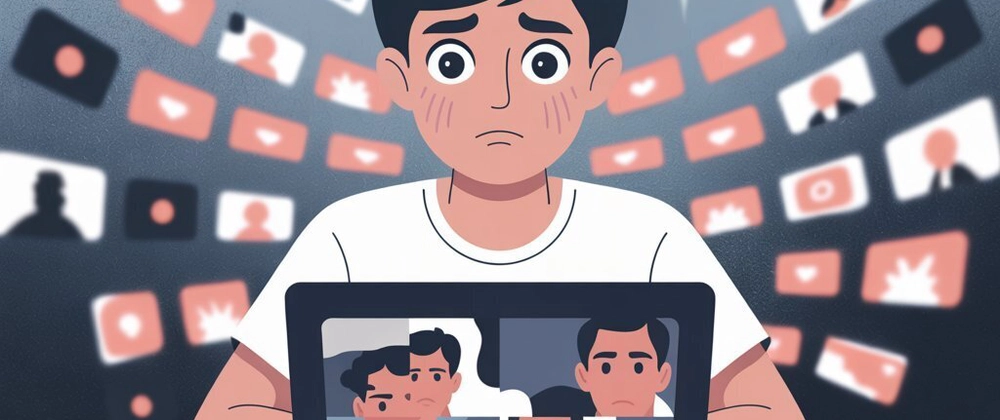
When we talk about the internet and celebrity culture, some corners of the web are remembered for good reasons, and some are remembered for scandal. The Fapp Blog falls squarely in the latter category.
It became infamous for spreading leaked celebrity photos, forever changing the conversation about privacy, online anonymity, and the consequences of digital leaks. Today, we take a deep dive into its story, why it shocked the world, and what it really says about our online behavior.
The Rise of The Fapp Blog

The internet has always had spaces where curiosity meets curiosity-driven content. Before 2014, celebrity gossip sites were common, but The Fapp Blog gained attention for a reason few anticipated. It wasn’t just about sharing celebrity news or rumors; it became a hub where private photos—stolen from personal devices—were made public.
The blog leveraged the anonymity of the web to push boundaries that traditional media wouldn’t touch. It attracted massive traffic, not just because people were curious about celebrities, but because the content it published was shocking, intimate, and controversial. It was the kind of content that blurred the lines between public interest and personal violation.
The 2014 Scandal That Shook Hollywood
The moment that cemented The Fapp Blog’s notoriety was the 2014 celebrity photo leak scandal. Hackers targeted high-profile celebrities, accessing private photos stored in cloud accounts and personal devices. Within hours, images of some of Hollywood’s biggest stars were circulating online.
The Fapp Blog didn’t just report the leaks—they became a primary distribution point. For many users, the blog represented instant access to content that was previously considered untouchable. For celebrities, it represented a gross violation of privacy. The scandal ignited widespread outrage and a serious conversation about digital security.
Why Anonymity Fueled The Controversy
One of the reasons The Fapp Blog thrived for as long as it did was its anonymity. Unlike traditional media, the blog didn’t have named journalists or a transparent editorial process. Users visiting the site were interacting with content that seemed untethered from accountability.
For some, this anonymity was liberating. People could explore celebrity culture, discuss content, and share gossip without revealing themselves. For others, it became a cautionary tale of how dangerous online anonymity can be when it’s used to violate privacy. The duality of anonymity—empowering yet risky—was central to the blog’s impact.
Legal Fallout And Public Debate
As the leaked photos spread, the legal implications became unavoidable. Celebrities began taking action, suing for invasion of privacy and seeking to hold hackers accountable. The incident highlighted significant gaps in laws surrounding digital privacy. At the time, many felt that online spaces allowed people to act with impunity.
Public debate grew intense. On one hand, some internet users argued that once images are online, control is lost. On the other hand, privacy advocates stressed that no one should face such violations, regardless of their celebrity status. The Fapp Blog became the symbol of a larger issue: how the internet can amplify both curiosity and harm.
The Ethics of Sharing Leaked Content
For us, discussing The Fapp Blog is more than just remembering a scandal; it’s a reflection on ethics in the digital age. Sharing leaked content might seem harmless when done casually, but for the people involved, the consequences are very real. Careers, reputations, and personal lives can be impacted in ways that last decades.
The blog forced users to ask uncomfortable questions: Is celebrity privacy a public right or a personal boundary? How much responsibility do platforms and individuals have when sharing sensitive content? These questions remain relevant today, especially as social media continues to blur the lines between public interest and personal exposure.
The Lasting Impact on Digital Culture
Even after the scandal faded from headlines, The Fapp Blog left a lasting mark. It influenced how celebrities and public figures approach digital security, leading to increased awareness of two-factor authentication, secure cloud storage, and online privacy.
At the same time, it changed the conversation about online ethics. People began questioning not just the hackers or the blog, but also the consumers of such content. The incident demonstrated that our online choices carry consequences, even when anonymity seems to shield us.
Lessons for Today
Looking back, there’s much to learn from The Fapp Blog saga. For anyone navigating the online world—fans, celebrities, or casual users—the key takeaways are clear: respect digital boundaries, understand the risks of sharing personal content, and remember that what spreads online can never be fully erased.
At the same time, the story reminds us how curiosity drives human behavior. People want to peek behind the curtain, to understand the private lives of public figures. The challenge is finding a balance that allows fascination with celebrity culture without harming the individuals involved.
A Controversial Legacy
The Fapp Blog will always be remembered as a controversial figure in internet history. It represents the intersection of celebrity culture, anonymity, and digital ethics. While it brought attention and traffic, it also sparked debate about privacy, legality, and morality online.
For us, discussing The Fapp Blog isn’t about sensationalism—it’s about understanding how a single platform can influence an entire digital ecosystem. It’s about remembering that every click, every share, and every visit online contributes to the broader story of how the internet shapes culture and behavior.
Conclusion
The Fapp Blog became infamous not just because of the photos it hosted, but because it forced the world to confront the dark side of digital culture. It reminded us that the internet can amplify both curiosity and harm, anonymity and accountability, fascination and violation.
As we reflect on its legacy, we see lessons that are as relevant today as they were in 2014. Respecting privacy, thinking critically about online behavior, and understanding the power of digital platforms remain essential. The Fapp Blog may be a chapter in internet history, but the conversation it started about privacy, ethics, and celebrity culture is far from over.