
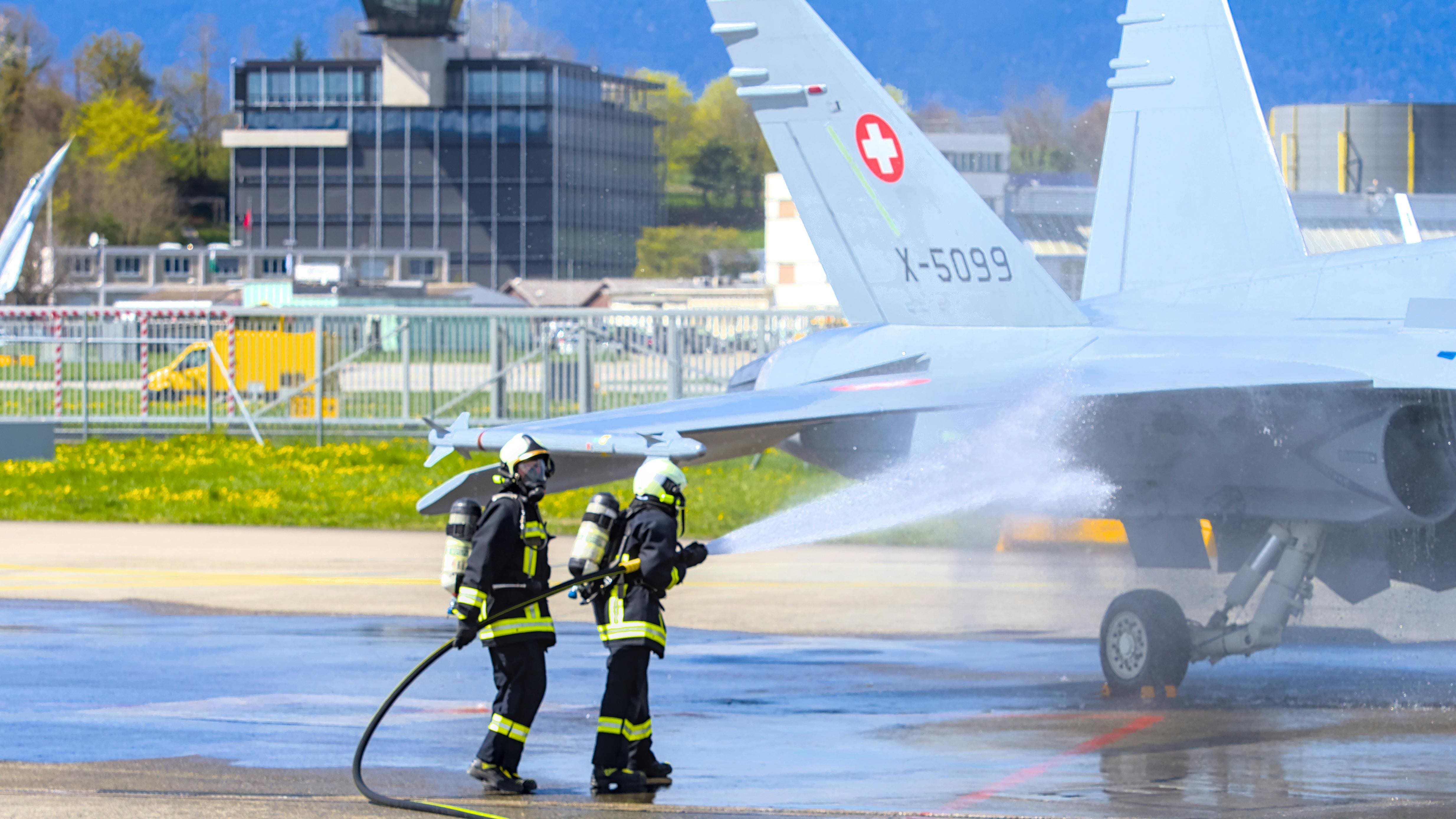
Fire safety remains one of the most critical concerns for businesses, construction sites, and commercial properties across the globe. While advanced fire detection systems and automated sprinklers have become standard in many facilities, there are situations where technology alone cannot provide adequate protection. This is where trained professionals step in to fill the gap, offering vigilant human oversight that can mean the difference between a minor incident and a catastrophic disaster.
Understanding Fire Watch Services
A fire watch is a temporary safety measure implemented when a building’s normal fire protection systems are impaired, unavailable, or non-existent. This service becomes necessary during various scenarios including system maintenance, construction projects, or when code violations require immediate remediation. The individuals assigned to these duties conduct regular patrols, monitor for fire hazards, and ensure immediate response capabilities are maintained throughout their shift.
These specialized security personnel serve as the first line of defense against fire emergencies when traditional systems are compromised. Their presence provides property owners, contractors, and facility managers with peace of mind knowing that trained eyes are constantly scanning for potential dangers.
When Are Fire Watch Services Required?
Several common situations mandate the deployment of fire watch personnel. During building construction or major renovations, fire alarm systems may be temporarily disabled or not yet installed. Hot work operations such as welding, cutting, or grinding create significant fire risks that demand continuous monitoring for at least thirty minutes after work completion.
Fire sprinkler system maintenance or repairs often require shutting down protection systems for extended periods. Similarly, when fire alarm systems malfunction or require servicing, buildings lose their automated early warning capabilities. Regulatory agencies may also issue citations requiring fire watch services until violations are corrected and systems are brought up to code compliance.
Manufacturing facilities conducting high-heat processes, warehouses storing flammable materials, and healthcare facilities undergoing renovations all represent environments where Fire Watch Guards become essential components of comprehensive safety protocols.
Key Responsibilities and Duties
The responsibilities assigned to fire watch personnel extend far beyond simply walking through a building. These professionals must conduct systematic patrols at regular intervals, typically every thirty minutes to one hour, documenting each round with precise timestamps and locations. They inspect fire extinguishers, exit routes, and emergency equipment to ensure everything remains accessible and functional.
Fire Watch Guards maintain detailed logs of their observations, noting any hazards, equipment status, and unusual conditions encountered during patrols. They must possess thorough knowledge of evacuation procedures and the locations of all emergency exits, assembly points, and fire-fighting equipment. In the event of a fire or emergency, these professionals are trained to activate alarms, notify emergency services immediately, and guide occupants to safety.
Beyond emergency response, fire watch personnel monitor ongoing operations for potential fire hazards. They ensure that hot work permits are properly executed, combustible materials are stored safely, and that smoking occurs only in designated areas. This proactive approach to hazard identification often prevents fires before they start.
Training and Qualifications
Effective fire watch services depend heavily on proper training and certification. Reputable providers ensure their Fire Watch Guards complete comprehensive training programs covering fire behavior, emergency response protocols, communication procedures, and hazard recognition. Many jurisdictions require specific certifications or state-issued licenses for individuals performing these duties.
Training typically includes instruction on various types of fire extinguishers and their appropriate applications, understanding building layouts and evacuation routes, and recognizing early warning signs of fire hazards. Communication skills are equally important, as these professionals must effectively relay information to emergency responders, building occupants, and supervisory personnel.
The Business Case for Professional Fire Watch Services
While some organizations consider using existing security staff or maintenance personnel for fire watch duties, this approach often proves inadequate and potentially dangerous. Professional Fire Watch Guards bring specialized training, undivided attention to fire safety concerns, and liability protection through proper insurance coverage.
The cost of professional fire watch services pales in comparison to potential losses from fire damage, business interruption, or regulatory penalties. Insurance companies often require documented fire watch services as a condition of coverage when protection systems are impaired. Failure to provide adequate fire watch can void insurance policies, leaving property owners financially exposed.
Selecting a Qualified Fire Watch Provider
Choosing the right fire watch service provider requires careful consideration of several factors. Verify that the company maintains proper licensing, insurance, and bonding for fire watch operations. Inquire about their training programs, response protocols, and quality assurance measures.
Reputable providers offer detailed reporting systems, often utilizing mobile applications that timestamp patrols and allow real-time monitoring by property managers. They should demonstrate knowledge of local fire codes, OSHA regulations, and NFPA standards applicable to your specific situation.
Conclusion
Fire safety cannot be compromised, even temporarily. When protection systems are unavailable or inadequate, Fire Watch Guards provide essential human vigilance that technology cannot replace. Their trained eyes, quick response capabilities, and systematic patrol methods create a safety net that protects lives, property, and business continuity. Whether your facility faces a short-term system outage or requires extended fire watch during construction, investing in professional fire watch services demonstrates commitment to safety and regulatory compliance. In the realm of fire protection, having dedicated professionals watching over your property is not just good practice—it is often the difference between prevention and disaster.