
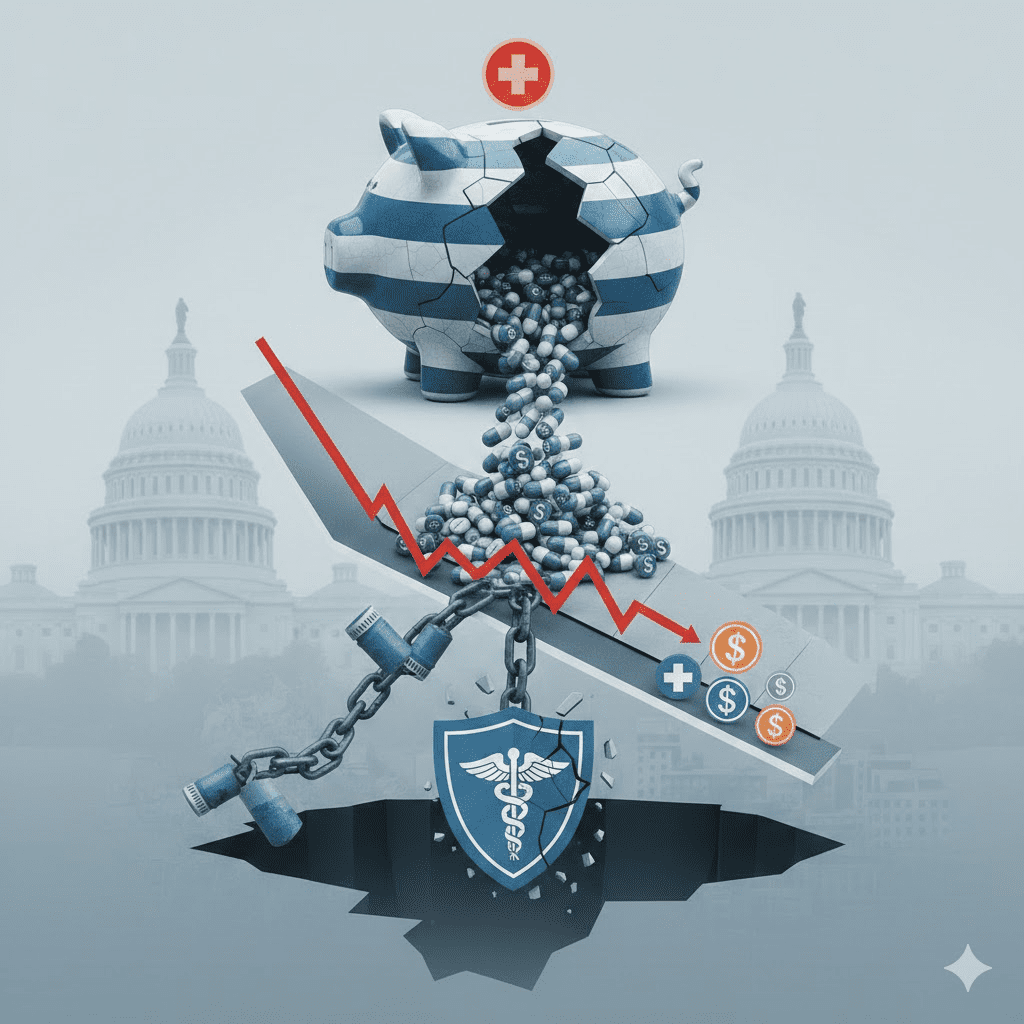
State Medicaid programs now shoulder an unprecedented financial burden from the opioid crisis, with recent data showing that these public insurance systems cover treatment for nearly 40% of all adults with opioid use disorder nationwide. This isn’t just a healthcare issue. It’s an economic crisis that affects state budgets, taxpayer dollars, and the fundamental ability of public health systems to serve vulnerable populations.
This article reviews how the numbers tell a sobering story. Medicaid spending on opioid-related services has increased by over 300% in the past decade, forcing state administrators to make difficult choices about resource allocation. Understanding this economic impact helps policymakers, healthcare providers, and communities develop more effective responses to a crisis that continues to evolve.
How Medicaid Became the Primary Payer for Opioid Treatment
Medicaid’s role in addressing opioid addiction expanded dramatically after the Affordable Care Act. The expansion gave millions of low-income adults access to coverage, including those struggling with substance use disorders. This policy change, while beneficial for access to care, shifted high costs to state budgets.
Before expansion, many individuals with opioid use disorder either went untreated or relied on fragmented local and charitable services. Today, Medicaid pays for medication-assisted treatment, counseling, residential care, and emergency interventions. A behavioral health treatment center that takes AHCCCS in Arizona, for example, now serves a patient population that previously had limited options for comprehensive care.
Direct Costs: Treatment and Emergency Services
The most visible economic impact appears in direct treatment expenditures. States spend billions annually on evidence-based interventions, including methadone, buprenorphine, and naltrexone programs. These medications, while effective, require ongoing prescriber visits, counseling integration, and pharmacy costs that accumulate over months or years of treatment.
Emergency department visits related to opioid overdoses represent another major expense. A single overdose reversal using naloxone, followed by emergency care and brief hospitalization, can cost between $15,000 and $45,000. When patients lack stable housing or support systems, they often cycle through emergency services repeatedly, multiplying these costs exponentially.
The Hidden Expenses of Inadequate Prevention
Beyond acute treatment, Medicaid systems pay for the cascading health consequences of long-term opioid use. Infectious diseases like hepatitis C and HIV spread more rapidly among people who inject drugs, requiring expensive antiviral treatments and ongoing monitoring. Endocarditis, a heart valve infection common among injection drug users, often necessitates complex surgeries costing upwards of $100,000 per case.
Mental health conditions frequently co-occur with opioid addiction, demanding integrated treatment approaches that strain already limited budgets. Depression, anxiety disorders, and trauma-related conditions require specialized care that goes beyond standard addiction treatment protocols.
Regional Variations and Budget Pressures
Not all states face the same economic burden. Regions with higher opioid prescription rates historically, such as Appalachia and the Rust Belt, see disproportionate Medicaid costs. West Virginia, Kentucky, and Ohio have reported that opioid-related Medicaid spending consumes significant portions of their healthcare budgets, limiting funds available for other essential services.
Western states have experienced different patterns. Purpose Healing Center works closely with AHCCCS plans for addiction treatment, reflecting Arizona’s particular approach to managing Medicaid costs while expanding access to evidence-based care. Each state’s unique demographic profile, treatment infrastructure, and policy choices create distinct economic challenges.
Federal Matching and State Responsibilities
The federal government matches state Medicaid spending at varying rates, typically between 50% and 75%. While this partnership helps states manage costs, the required state contribution still represents a substantial commitment. During economic downturns, when state revenues decline but the need for services increases, this matching requirement becomes particularly burdensome.
Some states have pursued innovative financing mechanisms, including outcome-based contracts with treatment providers and value-based payment models that reward successful recovery rather than simply paying for services rendered. These approaches aim to control costs while improving treatment effectiveness.
The True Cost of Untreated Addiction
Economists increasingly recognize that the cost of providing treatment pales in comparison to the societal costs of untreated opioid use disorder. When Medicaid doesn’t cover adequate treatment, individuals often become involved with the criminal justice system, lose employment, and require other forms of public assistance.
Research indicates that every dollar spent on substance use treatment saves approximately four dollars in healthcare costs and seven dollars when accounting for reduced crime and criminal justice expenses. Yet many state Medicaid programs struggle to provide enough treatment capacity to meet demand, creating waiting lists that leave people vulnerable during critical windows for intervention.
Maternal and Infant Health Costs
Pregnant women with opioid use disorder present unique economic challenges for Medicaid systems. Neonatal abstinence syndrome, which occurs when infants withdraw from opioids after birth, requires specialized neonatal intensive care that can cost $50,000 to $150,000 per case. The number of infants born with this condition has increased fivefold over the past fifteen years.
Beyond immediate birth complications, children exposed to opioids in utero often require ongoing developmental services, early intervention programs, and educational support throughout childhood. These long-term costs extend Medicaid’s financial responsibility for decades beyond the initial crisis.
Workforce and Administrative Challenges
Managing opioid-related Medicaid claims requires substantial administrative infrastructure. States must credential specialized providers, manage prior authorization systems for medications, track patient outcomes, and coordinate care across multiple service settings. These administrative functions consume resources that could otherwise support direct patient care.
Provider shortages compound the economic impact. Many states lack sufficient addiction medicine specialists, particularly in rural areas. When patients must travel long distances for treatment or wait weeks for appointments, treatment outcomes suffer, and overall costs increase due to continued substance use and its complications.
Technology and Data Systems
Modern treatment requires sophisticated data systems to track prescriptions, identify potential diversion, coordinate care among providers, and measure outcomes. State Medicaid programs have invested heavily in prescription drug monitoring programs and health information exchanges, adding to the overall economic burden of addressing the crisis.
These technology investments, while expensive upfront, potentially reduce long-term costs by preventing inappropriate prescribing and enabling earlier intervention. However, many states struggle to integrate these systems effectively or lack the technical expertise to maximize their value.
Policy Responses and Cost Containment Strategies
States have implemented various strategies to manage opioid-related Medicaid costs while maintaining access to necessary treatment. Preferred drug lists, quantity limits on opioid prescriptions, and prior authorization requirements for certain medications represent common approaches to controlling pharmaceutical spending.
Some states have expanded coverage for alternative pain management approaches, including physical therapy, acupuncture, and cognitive behavioral therapy. By addressing chronic pain without opioids, these policies aim to prevent new cases of opioid use disorder, reducing future treatment costs.
Value-Based Payment Models
Progressive states are experimenting with payment reforms that reward providers for achieving positive outcomes rather than simply delivering services. These models typically include quality metrics such as retention in treatment, reduction in emergency department visits, and improved overall health status.
Early evidence suggests that value-based approaches can reduce costs while improving care quality, though implementation challenges remain significant. Providers need adequate infrastructure to track outcomes, and payment rates must be sufficient to sustain treatment programs during the transition to new models.
Moving Ahead: Sustainability and Innovation
The economic sustainability of Medicaid-funded opioid treatment remains uncertain. As synthetic opioids like fentanyl drive overdose deaths to record levels, the need for treatment continues growing. States must balance expanding access with fiscal responsibility, all while addressing other healthcare priorities competing for limited resources.
Innovation in treatment delivery offers hope for managing costs. Telemedicine for medication management, mobile treatment units, and peer support integration can extend services more cost-effectively than traditional brick-and-mortar programs. However, regulatory barriers and reimbursement policies often lag behind these innovations.
Effects of the Opioid Crisis on Medicaid
The opioid crisis imposes staggering economic costs on state Medicaid systems, with implications that extend far beyond healthcare budgets. Direct treatment expenses, emergency interventions, and long-term health consequences create a financial burden that affects every state’s ability to serve its most vulnerable residents.
Yet the evidence clearly shows that investment in comprehensive, evidence-based treatment saves money compared to the alternative of untreated addiction. As states continue refining their approaches, the challenge lies in building sustainable systems that provide timely access to effective care while managing legitimate budget constraints.
The path forward requires continued federal support, innovative payment models, expanded treatment capacity, and recognition that addressing the opioid crisis represents both a moral imperative and an economic necessity.
