
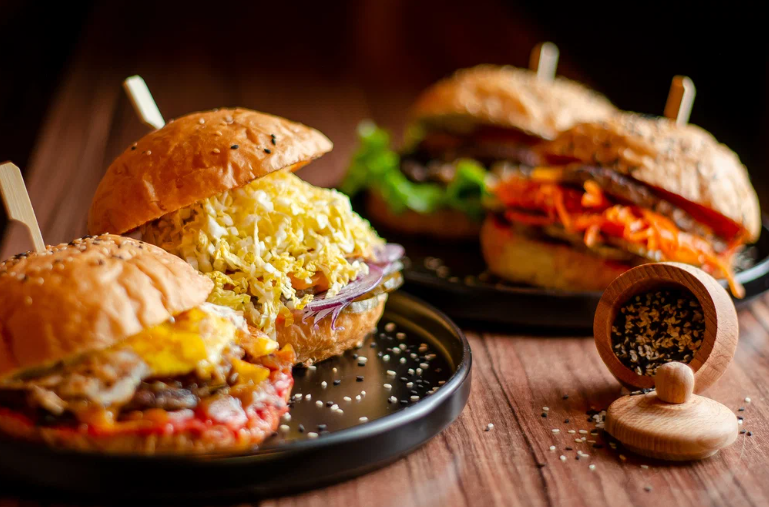
Starting at the base, greatness sometimes hides in plain sight like bread shaping an iconic bite. Though eyes land on the patty first, it is the roll that keeps everything together smoothly. When juice floods in, strength matters; still, tenderness should never be lost along the way. Richness comes through when brioche enters, loaded with butter and a whisper of sugar. Salt fades into harmony where that subtle sweet note steps in. Most mornings start with a test slice just to check if the edge holds up against dripping fillings. A fraction more bread means the center stays dry long after the first chew. That crisp shell? It forms only when heat hits just right, never rushed. Too much dough under the grill, and you taste nothing past flour. Skimp on thickness though, the whole thing collapses before halfway.
Warmth matters just as much as what the bun is made of. A chilly roll next to a steaming patty feels off, throws everything out of balance. Toasting helps it hold heat, while browning brings depth others miss. How you handle the bread shows whether care went into building the thing. Treat the base like something worth attention, not an afterthought, suddenly the whole bite shifts upward.
Sourcing Strategy Meets Blend Science
What sets an average spot apart? The way it picks its meat. Most pros go for around eighty parts lean, twenty parts fat keeps things juicy when heat hits. Fresh beef, never frozen, holds together better on the grill and feels softer when eaten. Instead of distant suppliers, some choose nearby farms where animals live well before harvest. Diners today care about these details they ask questions, they want truth on their plate. Knowing where food comes from changes how it tastes, even if just by a little. Trust grows quietly, one honest choice at a time. A kitchen’s reputation isn’t built fast it shows up in small decisions most people never see.
Texture matters just as much as taste when it comes to ground meat. Though a rough chop gives depth, too smooth a mix often turns heavy and flat. Salt good kind and pepper, split open right before cooking, do most of the work here. Right before the pan, these seasonings lift the beef instead of hiding it. When the balance feels exact, what comes out stays tender, rich, repeatable – the sort people come back to.
Atmosphere Shapes How Food Feels
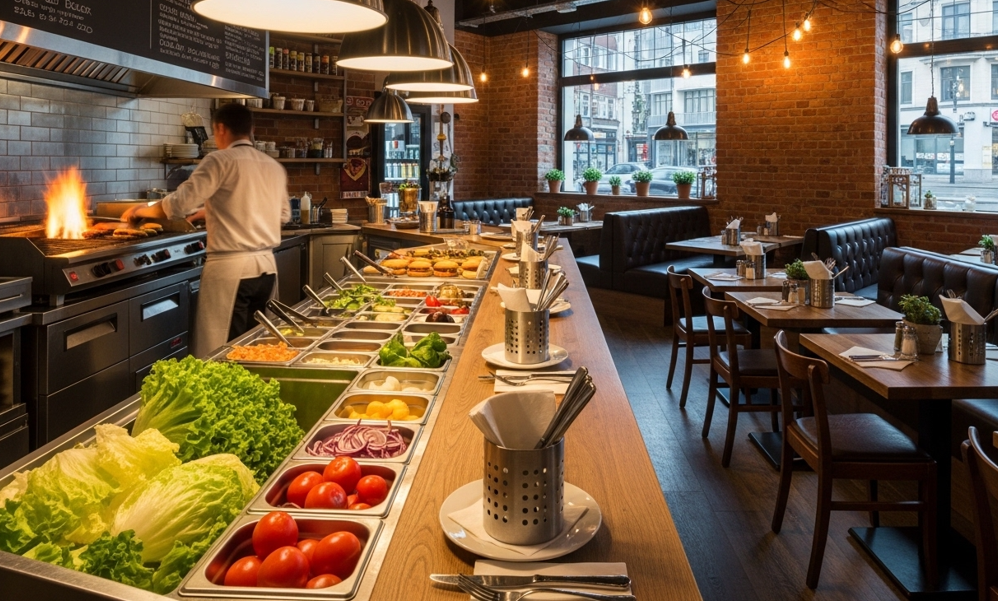
Walking into a premier dining space should feel like entering a curated world where every sense is engaged. Lighting choices, background music, and even the subtle scent of the kitchen contribute to the overall mood. When visiting a top-tier burger cafe in london, patrons expect a careful balance of comfort and style. Industrial aesthetics paired with warm wooden furniture create an inviting environment where friends can linger over their meals. The acoustic design is equally vital, ensuring that conversations flow easily without competing with the loud sounds of a busy kitchen or high-volume playlists.
A chair that fits the body well changes how someone experiences eating. Instead of rushing, people stay longer when their back and arms are supported properly. Hooks for coats or convenient spots to plug in phones reveal quiet thoughtfulness. That kind of detail speaks clearly to those on the move locals and visitors alike. A space built with care can turn an ordinary bite into something worth remembering. The taste seems richer when comfort surrounds you.
The Rise of Unique Kitchen Made Sauces
Out there in serious kitchens, store-bought sauces just fade into the background. Creating something memorable means building custom blends think roasted garlic blended with miso, or peppers slow-cooked until deep and earthy. Fermented carrots bring a tang that slices clean through fatty bites, whereas small-batch blue cheese adds layers nobody expects. A basic red sauce? Transform it with a whisper of chipotle or toasted cumin seeds. When flavors carry this kind of fingerprint, diners remember them long after leaving. That memory pulls people back without needing flashy promises.
How the sauces land on the sandwich makes a real difference. Not poured sloppily, but drawn neatly across both bun surfaces so each mouthful carries just enough. That careful touch stops the layers slipping sideways while letting flavors lift the meat instead of smothering it. Swapping in what’s ripe wild garlic mayo when flowers bloom, tart berries once frost arrives adds quiet surprise through the year. Caring this much about small things hints at deeper respect for how everything fits together.
Doing Things Well at a Quick Service Restaurant
How fast things move behind the scenes shapes if someone walks out happy or annoyed. When the kitchen runs smooth, meals hit the table warm even during rushes. Orders flow better with digital tools, freeing workers to pay attention to people instead of problems. What food looks like matters just as much each dish tells something about the place before it’s tasted. A neatly packed sandwich or fries lined up right shows effort that customers notice without being told.
Doing things the same way every time marks real strength in how a place runs. Picture someone eating there on a slow weekday or during weekend chaos they get identical quality either moment. Workers who see why tiny things matter like gooey cheese just right or lettuce with snap help create trust over time. If the kitchen flows without hiccups, servers naturally offer kindness and care, making each person at the table sense they truly count.
Creative Beverage Pairings and Side Dishes
Something strong on the plate needs sides that stand just as tall. Shakes spun thick, using milk you recognize plus vanilla or chocolate pulled straight from nature, bring back tastes older than memory. A sip of small-batch soda or a locally brewed ale washes through clean, resetting your mouth right before the next bite of rich meat hits. Don’t treat extras like afterthoughts twice-cooked potatoes crackle loud, while spiced-up veggie slices snap with their own rhythm. Each forkful matters just as much as the centerpiece.
Fries kissed by truffle oil or cabbage tossed with heat these choices let people shape what they eat while tasting something different. Sometimes those extras gain just as much attention as the main dish, pulling in folks who like options. Sauces served alongside give diners more ways to play with flavor between bites. When drinks and small plates are woven into how a place tells its food story, everything fits together not missing pieces, but fullness on the plate.
A Promise of High Standards
From the first bite to the last glance around, care shapes each detail at Kula Cafe. A love for real ingredients drives everything not just flavor but feeling too. Because handmade touches matter, so does the warmth people feel when they walk in. Instead of chasing trends, time honored dishes take center stage here. Every meal begins with ripe vegetables and meat picked with purpose. People linger longer when food speaks honestly and that honesty lives in every dish served. Comfort isn’t an idea; it shows up on plates, in smiles, through small moments shared.
FAQ’s
What makes a bun ideal for a gourmet meal?
An ideal bun should have enough structural integrity to hold the juices of the meat without becoming soggy. Brioche and potato rolls are popular choices because they offer a soft texture and a slight sweetness that complements savory ingredients.
How does the meat-to-fat ratio affect a burger?
A ratio of eighty percent lean to twenty percent fat is generally considered perfect. The fat renders during cooking, providing essential moisture and flavor that prevents the patty from becoming dry or tasteless.
Why is the atmosphere of a cafe so important for diners?
Atmosphere sets the stage for the entire experience. Good lighting, comfortable seating, and appropriate music levels make guests feel relaxed, which actually improves their perception of the food and encourages them to stay longer.
What are some trending house-made condiments to try?
Current trends include fermented chili oils, truffle-infused mayonnaises, and pickled red onions. These custom additions provide a unique flavor profile that sets a kitchen apart from those using standard store-bought sauces.
How can a cafe ensure consistency during busy hours?
Consistency is achieved through rigorous staff training and streamlined kitchen operations. Using standardized recipes and having a dedicated quality control person at the pass ensures that every plate meets the same high standard before leaving the kitchen.
Conclusion
A restaurant today stands out when what’s inside the dish matches what surrounds it. Not only does fresh produce matter, yet even how light spills across wooden tables adds meaning. People come not simply to eat, instead they notice whether a pickle snaps sharply between teeth. What stays in memory often begins quietly a scent, a texture, a pause before the first bite. Care shows up in choices others might overlook, like salt ground hours earlier or chairs built for lingering. When consistency meets intention, customers return without needing reasons.
Staying at the top means always trying new things, also paying close attention to what people say. Though flavors shift over time, the heart of the menu must still feel familiar. That mix keeps dishes fresh but never forgets the taste folks fell for years ago. What matters most is showing up the same way each time solid, reliable, worth returning for.
The art of gastronomy is about understanding the relationship between culture and food. It involves recognizing that a simple meal can be transformed into something extraordinary through dedication and precision. When passion for cooking meets a genuine desire to serve the community, the result is a destination that people return to time and again. Every detail matters, and the pursuit of perfection never truly ends for those who love the craft of providing great food.