
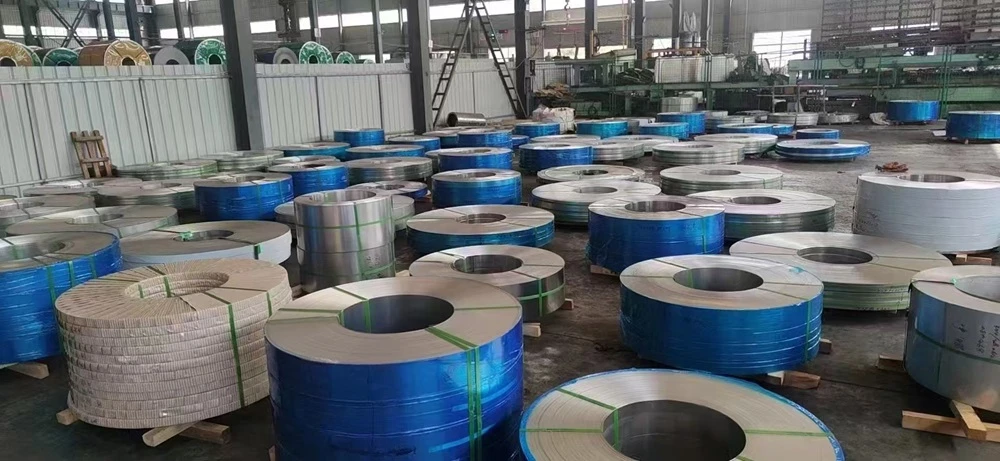
Stainless steel coil has emerged as a cornerstone material in renewable energy systems due to its exceptional durability, corrosion resistance, and recyclability. Its ability to withstand harsh environmental conditions while maintaining long-term performance makes it indispensable for applications in solar, wind, and hydrogen energy infrastructure.
For engineers and professionals in renewable energy, understanding the properties and types of stainless steel is crucial for designing systems that operate efficiently and sustainably. This guide explores the science behind stainless steel and its role in powering the global transition to clean energy.
Understanding Stainless Steel and Its Unique Properties
What is Stainless Steel?
Stainless steel is an alloy primarily composed of iron and chromium, which forms a protective oxide layer that prevents corrosion. The stainless steel Wikipedia page explains that this passive layer regenerates when damaged, making it ideal for challenging environments.
Composition and Grades
The composition of stainless steel varies by grade and application. For example:
- Grade 304: Contains 18% chromium and 8% nickel, offering excellent general corrosion resistance. Learn more about Grade 304.
- Grade 316: Includes 16-18% chromium, 10-14% nickel, and 2-3% molybdenum, enhancing resistance to chloride corrosion. Explore Grade 316.
The Four Main Types of Stainless Steel
Understanding the 4 types of stainless steel helps engineers select the right material for specific applications:
- Austenitic Stainless Steel: Non-magnetic, with high chromium and nickel content. Ideal for solar panel mounts and geothermal systems. Discover applications of austenitic stainless steel.
- Ferritic Stainless Steel: Magnetic and cost-effective, used in electrical enclosures and indoor applications. Learn about ferritic stainless steel.
- Martensitic Stainless Steel: High strength and hardness, suitable for turbine shafts and fasteners. Explore martensitic stainless steel.
- Duplex Stainless Steel: Combines austenitic and ferritic properties, offering excellent strength and corrosion resistance for offshore wind and tidal energy systems. Read more about duplex stainless steel.
Applications in Renewable Energy Infrastructure
Solar Energy
Stainless steel coils are used in solar panel mounting systems and tracking mechanisms. Their corrosion resistance ensures long-term performance in outdoor environments. See solar energy applications.
Wind Energy
In wind turbines, stainless steel is used for tower internals, fastening systems, and offshore foundations. Its durability withstands harsh marine conditions. Explore wind energy uses.
Hydrogen Production
Stainless steel is critical in electrolyzers and hydrogen storage vessels, where it resists embrittlement and maintains structural integrity. Learn about hydrogen applications.
Environmental Benefits and Sustainability
Stainless steel’s 100% recyclability and low lifecycle environmental impact make it a sustainable choice for renewable energy projects. Its longevity reduces the need for replacements, further minimizing environmental footprint. Discover the environmental benefits of stainless steel.
Selection Criteria for Renewable Infrastructure Projects
Engineers consider factors like corrosivity, mechanical requirements, and fabrication needs when selecting stainless steel grades. Proper assessment ensures optimal performance and cost-efficiency. Explore selection criteria.
Future Developments in Renewable Infrastructure Materials
Research continues to advance stainless steel technology, with developments in lean duplex grades and additive manufacturing promising improved performance and reduced costs. Stay updated with future trends.
Summary
Stainless steel coil is a vital material in renewable energy infrastructure, offering unmatched durability, corrosion resistance, and sustainability. Its versatility supports applications in solar, wind, and hydrogen energy systems, ensuring long-term performance and environmental benefits.
FAQs
Q1: What makes stainless steel coils suitable for renewable infrastructure? Stainless steel coils are ideal due to their corrosion resistance, durability, and ability to withstand extreme conditions.
Q2: What are the primary types of stainless steel? The four primary types are austenitic, ferritic, martensitic, and duplex stainless steel.
Q3: How does stainless steel composition affect its properties? The composition determines properties such as strength, corrosion resistance, and weldability.
Q4: What are the environmental benefits of stainless steel coils? Stainless steel coils are 100% recyclable, reducing waste and supporting sustainability.
For further inquiries, visit Contact Us.