
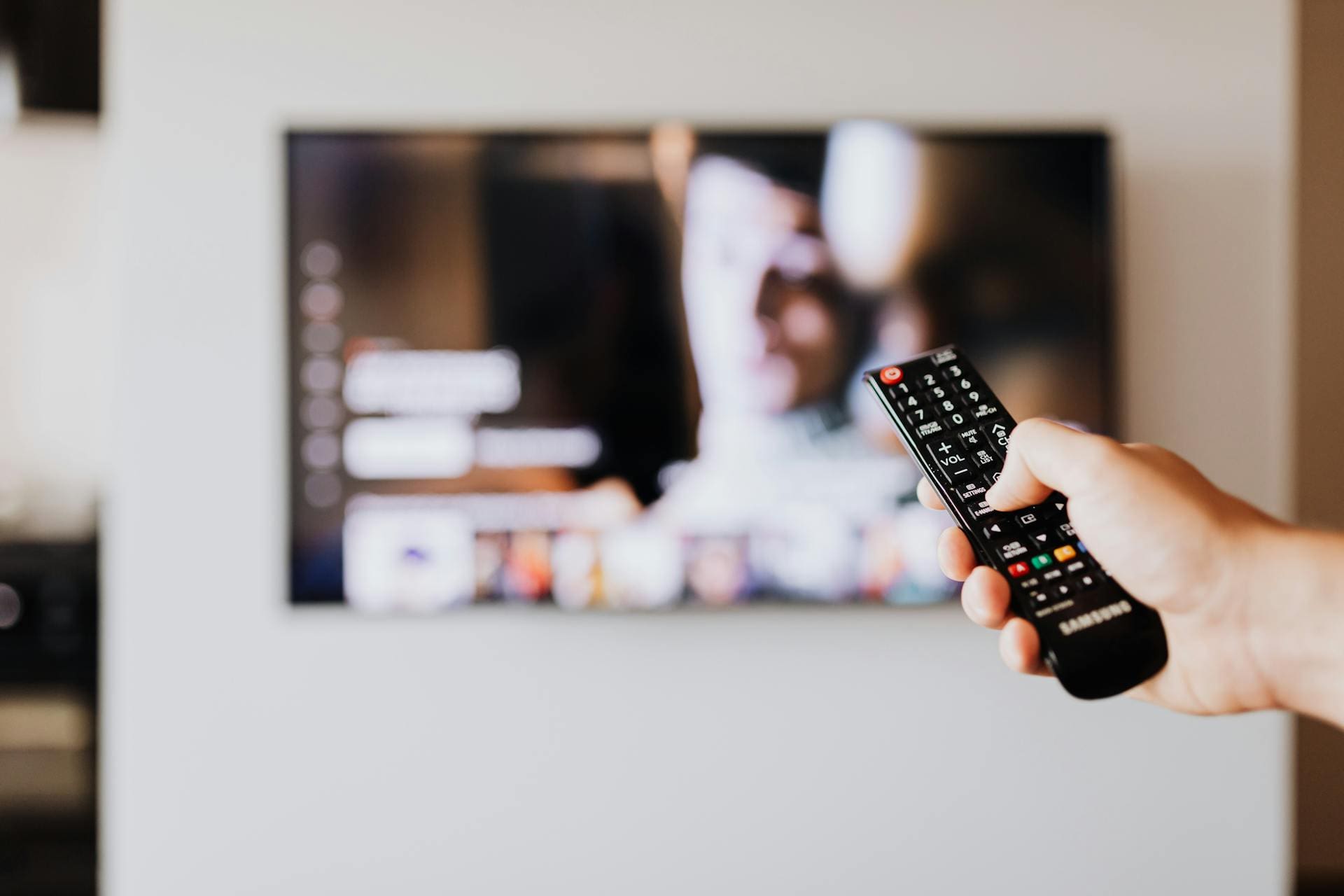
The television industry has undergone a dramatic transformation over the past decade. Gone are the days when viewers were limited to a fixed number of broadcast channels or forced into expensive cable bundles filled with content they never watched. Today, IPTV has emerged as one of the most popular and accessible ways to consume television content, offering viewers unprecedented control over what they watch, when they watch it, and how much they pay for the experience.
Whether you are a tech-savvy cord cutter or someone simply looking for a better way to enjoy your favourite programmes, understanding how IPTV works and what it offers is essential in today’s media landscape. This guide breaks down everything you need to know about this rapidly growing technology.
What Exactly Is IPTV and How Does It Work?
IPTV stands for Internet Protocol Television. Unlike traditional television delivery methods such as satellite signals or cable connections, IPTV delivers television content through your internet connection using the same technology that powers websites and streaming platforms. Instead of receiving a broadcast signal, your device requests specific content from a server, which then streams it directly to your screen in real time.
The technology works by converting traditional television signals into data packets that travel across the internet. When you select a channel or programme, the IPTV server sends those packets to your device, where they are reassembled and displayed as video content. This process happens almost instantaneously, meaning there is very little delay between selecting content and seeing it on your screen.
There are three primary types of IPTV services. Live television allows you to watch broadcasts as they happen, much like traditional TV. Time-shifted television gives you the ability to watch previously broadcast content at your convenience. Finally, video on demand lets you browse a library of films and series and watch whatever you choose at any time.
Why IPTV Has Become So Popular Across Europe and Ireland
The surge in IPTV adoption across Europe has been remarkable. In Ireland in particular, more and more households are turning away from traditional satellite and cable subscriptions in favour of internet-based television solutions. Several factors are driving this shift.
First and foremost, cost is a major consideration. Traditional cable and satellite packages in Ireland can be expensive, often costing well over €50 per month for a comprehensive channel lineup. IPTV services typically offer comparable or even greater channel selections at a fraction of the price, making them an attractive alternative for budget-conscious viewers.
Second, the improvement in broadband infrastructure across Ireland has made high-quality streaming a realistic option for the majority of households. With the National Broadband Plan continuing to expand fibre coverage to rural areas, even viewers outside major cities can now enjoy stable, high-definition IPTV streams without buffering or interruptions.
Third, flexibility plays a huge role. Unlike rigid cable packages, IPTV allows users to watch content on multiple devices including smart TVs, tablets, smartphones, and laptops. This means you can start watching a match in the sitting room and continue on your phone while waiting for the kettle to boil.
Key Features to Look for in a Quality IPTV Service
Not all IPTV providers are created equal. When choosing a service, there are several important features and considerations to keep in mind to ensure you get the best viewing experience.
Channel selection is naturally a top priority. A good provider should offer a wide range of channels covering sports, entertainment, news, documentaries, and international programming. For viewers in Ireland, having access to local channels such as RTÉ and TG4 alongside premium sports and entertainment options is often essential.
Stream quality matters enormously. Look for services that offer Full HD and 4K streams, and make sure your internet connection can handle the bandwidth requirements. A stable connection of at least 25 Mbps is recommended for 4K content, while 10 Mbps should be sufficient for reliable HD viewing.
An electronic programme guide is another feature that separates professional services from amateur ones. A well-designed EPG makes it easy to browse upcoming programmes, set reminders, and navigate between channels efficiently. Additionally, catch-up functionality allows you to revisit programmes you may have missed over the previous few days.
Customer support is often overlooked but critically important. Reliable providers offer responsive support through live chat, email, or dedicated help centres. If something goes wrong with your service during a major sporting event, you want to know that help is readily available.
Setting Up IPTV: What You Need to Get Started
Getting started with IPTV is straightforward. The basic requirements include a stable internet connection, a compatible device, and a subscription to an IPTV service. Most modern smart TVs have built-in apps that support IPTV, and for older televisions, affordable set-top boxes such as the Amazon Firestick, MAG boxes, or Android TV devices can bridge the gap.
Once you have your hardware in place, setup usually involves downloading a compatible application, entering the credentials or playlist link provided by your IPTV service, and allowing the channel list to load. The entire process can often be completed in under ten minutes, even for those who are not particularly tech-savvy.
For the best experience, consider using a wired ethernet connection rather than Wi-Fi. While modern wireless networks are generally reliable, a direct wired connection eliminates potential interference and provides the most stable streaming experience, particularly for live sports where even brief buffering can be frustrating.
The Future of Television Is Already Here
The shift from traditional broadcasting to internet-based television is not a passing trend. Industry analysts predict that IPTV will continue to grow its market share significantly over the coming years, driven by improving broadband infrastructure, increasing consumer demand for flexibility, and ongoing innovation in streaming technology.
Features like cloud DVR, multi-screen viewing, personalised recommendations, and integration with smart home ecosystems are making IPTV services increasingly sophisticated. As artificial intelligence continues to develop, we can expect even more personalised viewing experiences, with platforms learning your preferences and curating content accordingly.
For viewers in Ireland and beyond, the message is clear: the future of television is being delivered through your broadband connection. Whether you are interested in live sports, international drama, or simply want a more affordable way to enjoy quality entertainment, IPTV offers a compelling solution that traditional providers are finding increasingly difficult to match. Exploring what internet protocol television has to offer could be the best decision you make for your home entertainment setup this year.
Disclaimer: Always ensure you use legitimate and licensed IPTV services that comply with local broadcasting regulations. Viewers should verify that any IPTV provider they choose operates within the legal framework of their country.