
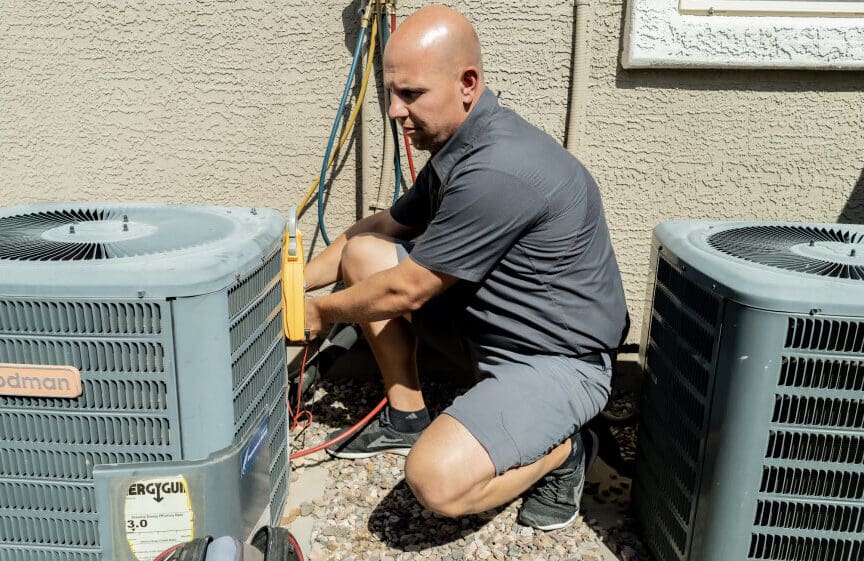
Walk into most cafes in Ringwood or Croydon on a 35-degree day and you’ll feel it instantly: icy air blasting straight out of ceiling vents while the glass doors keep swinging open every ten seconds. The system fights a losing battle all day. By the end of summer, the owner stares at an energy bill that makes them feel sick. That one preventable mistake costs thousands every year, and almost every small business in Melbourne’s east makes it.
The Single Biggest Commercial Air Conditioning Sin: Oversized Units Running Short Cycles
The most common error we see in offices, shops, medical centers and restaurants around Heathmont, Mitcham and Vermont is installing commercial air conditioning that’s far too big for the actual space.
Salespeople love selling the biggest unit possible because it looks impressive on paper. The owner thinks “more power means colder faster”. What actually happens is the system hits the set temperature in minutes, shuts off, then fires up again ten minutes later when someone opens the door. This constant on-off cycling wastes massive amounts of energy and wears the compressors out early.
A properly sized commercial air conditioning system runs long, steady cycles. It removes humidity properly. It keeps temperature even. Your staff stay comfortable instead of freezing for five minutes then sweating for ten.
The Door Problem Nobody Talks About
Every retail shop and cafe in the eastern suburbs has the same issue: customers walking in and out all day. An oversized commercial air conditioning unit slams on every time the door opens, trying to recover instantly. A correctly sized system with variable-speed compressors (inverter technology) just gently ramps up and keeps humming along without drama.
Restaurants and Cafes Get Hit Hardest
Commercial kitchens pump out heat and steam. The dining area has doors opening constantly. Many owners install one huge rooftop package unit thinking it will handle everything. The kitchen stays hot, the front room freezes, and the electricity bill looks like a house mortgage.
The smart ones separate the kitchen with its own dedicated system and run a properly zoned commercial air conditioning setup for the seating area. They save money every single week.
Office Buildings in Ringwood and Croydon – The Afternoon Sun Trap
West-facing offices with big windows turn into glasshouses after 2 pm in summer. By the time the commercial air conditioning finally catches up, half the staff have gone home. Morning sizing looks perfect on a heat-load calculation, but no one accounted for solar gain in the afternoon.
The fix is simple: proper external shading or solar film on the windows plus a system that can handle the peak load without being oversized for the other 90% of the day.
What Actually Works in Melbourne’s Climate
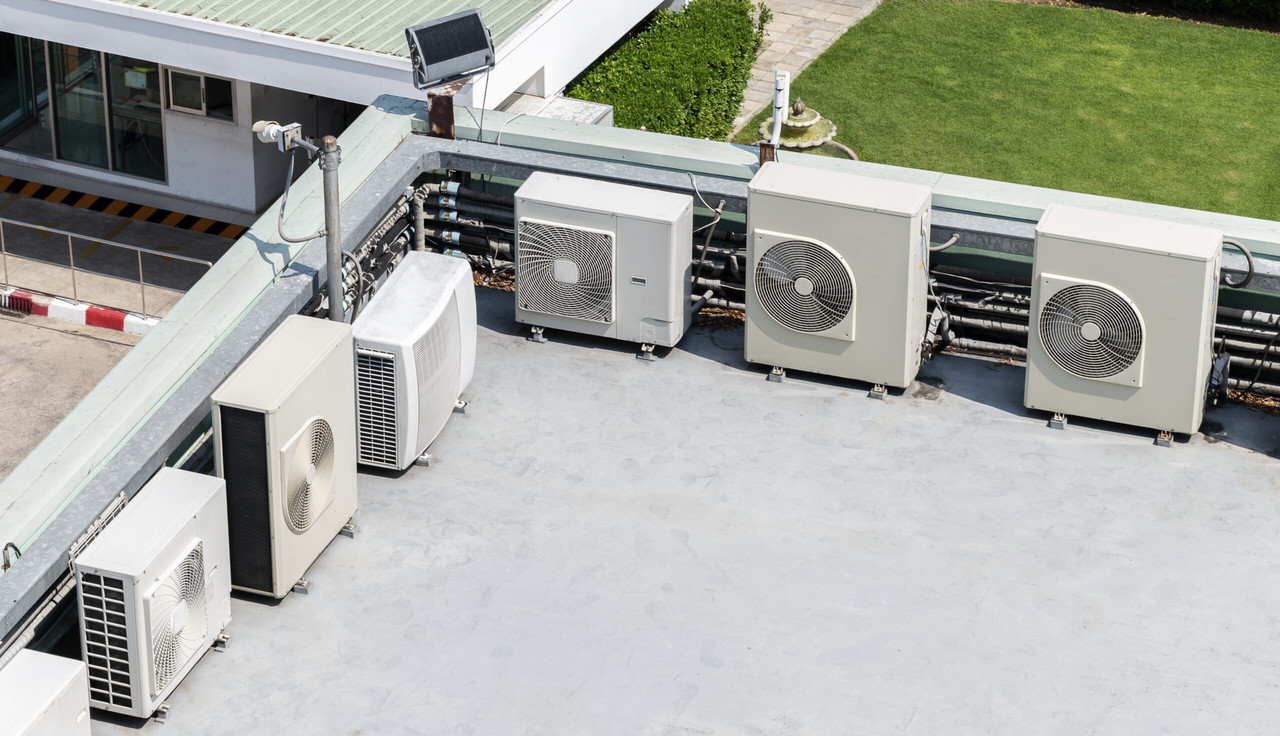
Variable refrigerant flow (VRF) or modern inverter ducted systems have changed everything for commercial air conditioning in the last five years. One outdoor unit can run multiple indoor units at different temperatures. The boardroom can be 20°C while the warehouse stays 26°C and the system only uses the exact amount of power needed.
Medical centres in Warranwood and Park Orchards love them because each consulting room stays precisely controlled without wasting energy on empty rooms.
Maintenance Mistakes That Quietly Kill Efficiency
- Dirty filters changed once every two years instead of every three months
- Outdoor coils never hosed down, full of Melbourne’s red dust and eucalyptus fluff
- Leaking ductwork in the ceiling that no one notices until the energy bill arrives
- Thermostats placed right next to the coffee machine or in direct sunlight
One cafe owner in Croydon North cut their summer bill by 40% just by moving the thermostat off the wall behind the pizza oven and cleaning the filters properly.
Rules You Must Follow in Melbourne’s East
- All commercial air conditioning over a certain size needs an energy compliance certificate (Section J report)
- Annual maintenance logs are compulsory for systems over 25kW in some councils
- Noise limits are strict after 10 pm – many restaurants get pinged for loud rooftop units
- Asbestos registers must be checked before any work in ceiling spaces of buildings pre-1990
Questions and Answers: Common Questions About Commercial Air Conditioning in Australia
How often should filters really be changed in a busy cafe?
Every four to six weeks during summer, every eight weeks in winter. A clogged filter can add 15–20% to running costs and makes the system work twice as hard.
Can we just add another indoor unit to our existing outdoor unit later?
Only if the original commercial air conditioning system was specified as multi-head capable. Trying to add extra heads to a single-split system usually ends in disaster.
Is it worth replacing a 12-year-old commercial system that still works?
Almost always. Modern inverter systems use roughly half the power of units from 2012. Most businesses see payback within four to six years through lower energy bills alone.
Why does my office smell musty when the air con starts in spring?
Your drain tray and coil are full of mould from sitting wet all winter. A proper clean and treatment before summer starts fixes it instantly.
Do we need council approval to replace our old rooftop package unit with a new one in Ringwood?
Yes if the new unit is larger or in a different position. Same size and same location is usually exempt in commercial zones.
Conclusion: Your Path to a Successful Commercial Air Conditioning in Australia
Stop thinking bigger is better. Get a proper heat-load calculation done by someone who actually visits your building at 3 pm on a hot day, not someone who guesses from Google Maps.
Choose inverter technology that adjusts instead of hammering on and off. Maintain it properly — filters, coils, drains. Separate hot zones like kitchens from customer areas.
Do those things and your commercial air conditioning will keep everyone comfortable without sending your energy bill into orbit.
Melbourne summers are only getting hotter. The businesses that fix this problem now will be the ones still smiling when the next electricity bill arrives. The ones that keep making the same old mistakes will be sweating for all the wrong reasons.
