

In an era where smart homes and fully electric systems are dominating headlines, there is one traditional energy source that refuses to go obsolete: Liquid Petroleum Gas (LPG). While the world looks for high-tech solutions, many Australian households are rediscovering the tactile, reliable, and instant benefits of gas—not just for the barbecue, but as a core component of a comfortable home.
There is a reason why, despite the surge in induction cooktops, professional chefs and serious home cooks still fight to keep their gas burners. But beyond the kitchen, the utility of bottled gas is finding renewed relevance in energy security and heating efficiency.
The “Instant” Factor
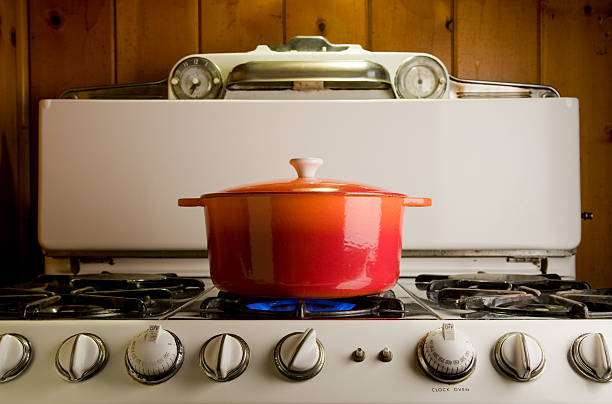
The primary argument for gas has always been control. When you turn a dial on a gas cooktop, the heat is immediate. There is no waiting for an element to warm up, and more importantly, no residual heat when you turn it off. This precision is vital for everything from searing a steak to simmering a delicate sauce.
This “instant” benefit extends to hot water systems. Continuous flow gas hot water units are rapidly replacing old electric storage tanks. Instead of paying to keep 200 liters of water hot 24/7 (even when you’re sleeping or at work), a gas system heats the water only when you turn the tap. It’s a smarter, often cheaper way to manage home energy.
Energy Independence and Reliability
Perhaps the most compelling argument for maintaining a gas setup today is reliability. With extreme weather events becoming more common, power outages are a reality for many regions. A home that relies 100% on the electrical grid is a home that halts completely during a blackout.
households with LPG have a distinct advantage. They can still cook a hot meal, they often still have hot water (depending on the ignition system), and they can still run gas-powered heaters. In this sense, gas acts as an “energy insurance policy,” keeping the home functional when the grid goes down.
The Importance of the Supply Chain
However, the convenience of LPG is entirely dependent on logistics. Unlike mains gas, which is piped in, LPG requires a physical delivery. This makes the choice of your service provider critical. You need a partner who understands consumption patterns—knowing that usage spikes in winter for heating and in summer for BBQ season.
A reliable gas supplier does more than just drop off bottles; they ensure your home never runs dry. Whether it’s through automated exchange schedules or rapid response times for empty cylinders, the service behind the product is just as important as the fuel itself.
A Hybrid Future
The modern home doesn’t need to be “all or nothing.” The most resilient and comfortable homes often adopt a hybrid approach: solar panels for daytime electricity, battery storage for lights, and LPG for high-demand thermal tasks like cooking and heating water.
By diversifying how we power our lives, we create homes that are not only more efficient but also more enjoyable to live in—no matter what is happening with the weather outside.