

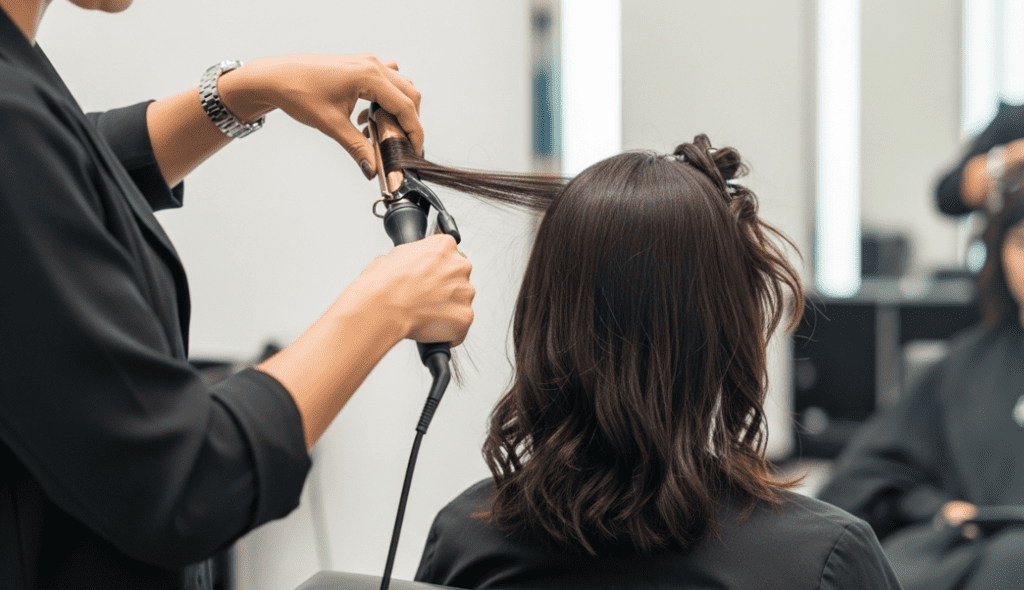
The evolution of modern hair care has shifted significantly away from the daily wash-and-dry cycle. As more individuals prioritize the structural integrity of their hair, dry styling has emerged as a critical skill for maintaining a polished appearance without the repetitive stress of heat tools on wet strands. Mastering the nuances of working with dry hair allows for a versatile range of textures and volumes that often hold better than those created on freshly laundered hair. Understanding the chemical and physical state of dry hair is the first step in achieving a professional-grade finish that looks effortless yet intentional.
Understanding the Mechanics of Dry Hair Manipulation
When hair is dry, the hydrogen bonds which are responsible for the hair’s temporary shape—are set. Unlike wet hair, which is highly elastic and prone to stretching, dry hair is more stable but also more susceptible to surface friction. Dry styling focuses on using the hair’s natural oils and existing structure to build volume or redefine texture.
By working with the hair in this state, you can see exactly how the layers fall and where the hair needs additional support. This immediate visual feedback allows for a more architectural approach to styling, where products are used to “sculpt” rather than just “set” the hair.
Strategic Product Layering for Second-Day Texture
The secret to successful dry styling lies in the strategic application of products that do not rely on water for activation. Traditional mousses or gels can often make dry hair feel crunchy or weighed down; instead, dry styling relies on anhydrous formulations like dry shampoos, texture sprays, and hybrid pastes. Dry shampoo should be used proactively at the roots to absorb sebum before it travels down the hair shaft, while a light veil of texture spray through the mid-lengths provides the “grip” necessary for curls or braids to stay in place. This layering technique creates a multidimensional finish that mimics the airy, voluminous look of a fresh salon blowout.
Thermal Protection and Tool Calibration
Many people mistakenly believe that heat protection is only necessary when hair is damp. However, applying high heat to completely dry hair can be even more damaging if the cuticle is not properly shielded. When using a curling wand or flat iron for a dry restyle, it is essential to use a dry-finish heat protectant. Furthermore, tool calibration is vital. Since the hair is already dry, it requires less heat to change its shape than it does when evaporating water. Lowering the temperature of your tools to a mid-range setting prevents the “searing” of the cuticle scales, ensuring the hair remains reflective and soft rather than brittle and dull.
Reviving Volume and Directional Movement
Flatness at the crown is the most common challenge when hair is a day or two past its wash. To revive volume during a dry styling session, directional brushing and targeted heat are your best allies. By flipping the hair opposite to its natural part and applying a brief burst of cool air from a dryer, you can “reset” the roots without a full wash. This technique, combined with a ceramic round brush, can smooth out sleep creases and re-establish the bounce of the original style. It is a more efficient way to maintain a professional silhouette while minimizing the total cumulative heat exposure your hair faces throughout the week.
Taming Frizz and Enhancing Surface Shine
Environmental humidity often causes the hair cuticle to lift, resulting in a fuzzy or dull appearance. Dry styling provides an opportunity to reseal the cuticle using finishing oils or serums. The key is to emulsify a very small amount of product in the palms of the hands until it is warm, then lightly “palm” the surface of the hair. This smooths down flyaways and adds a hydrophobic layer that prevents further moisture from entering the hair shaft. For those with coarser textures, a boar bristle brush can help distribute the hair’s natural oils from the scalp to the ends, providing a natural luster that synthetic products struggle to replicate.
Elevating Your Routine with Expert Care
Achieving a flawless look requires a combination of the right techniques and an environment that understands the unique needs of your hair. At Salotto Salon, the philosophy centers on providing a high-touch, personalized experience that empowers every guest to look their best between visits. The stylists specialize in identifying the specific requirements of different hair porosities and textures, ensuring that every recommendation is grounded in professional expertise. By creating an atmosphere of refined luxury and technical precision, the focus remains on delivering results that are both beautiful and sustainable. The commitment to using superior formulations and advanced styling methods ensures that your hair remains a vibrant reflection of your personal style.
Conclusion
Embracing dry styling is more than just a time-saving measure; it is a commitment to the long-term vitality of your hair. By reducing the frequency of full shampoo cycles and mechanical stress, you allow the hair to retain its natural strength and moisture. This approach fosters a healthier scalp environment and prevents the premature fading of professional color. As you become more comfortable with the tools and products designed for dry application, you will find that your hair becomes more manageable and responsive to styling.