
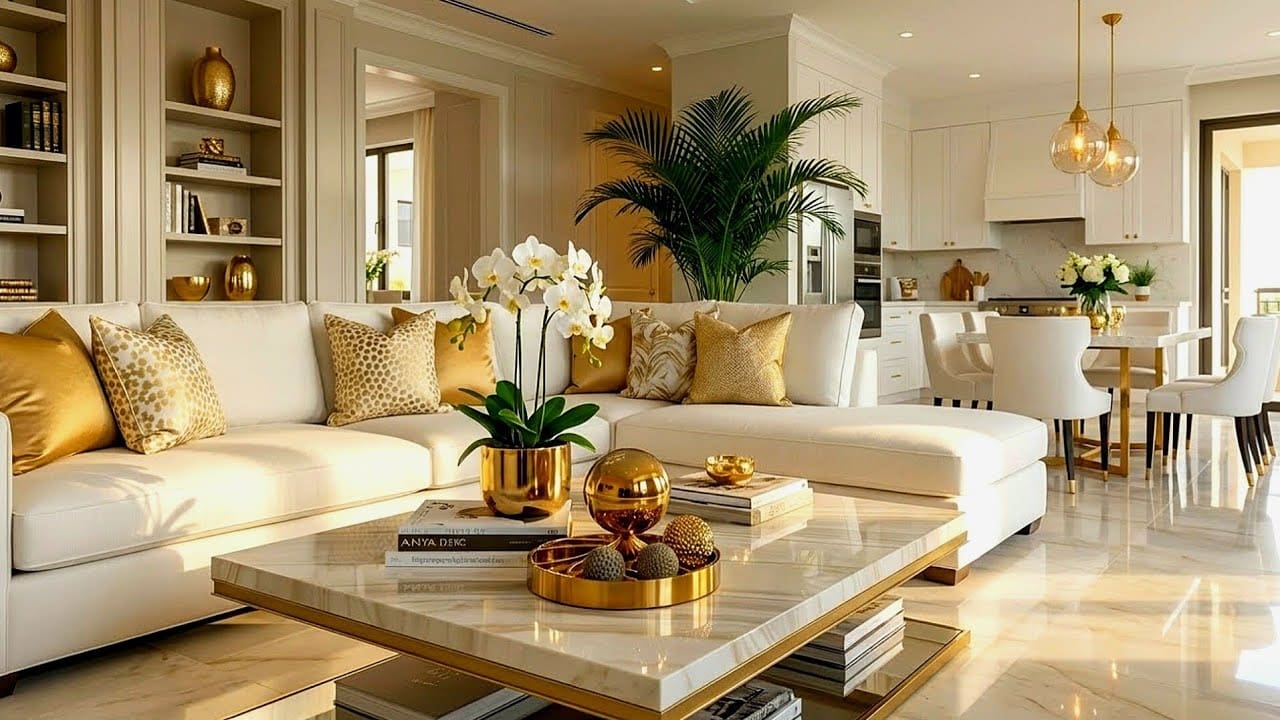
A residence of distinction is rarely defined by a single object; instead, it is a symphony of deliberate choices, where the architecture of the space meets a curated selection of textures, light, and form. The transition from a standard living environment to one that exudes an air of prestige requires a departure from the purely functional. It demands a philosophy where every square inch of a room is treated as a canvas for intentionality. In the world of high-end design, the goal is to create a “sensory narrative”—an environment that does not just look expensive but feels grounded, layered, and deeply personal. This process involves a meticulous balance between the bold and the understated, ensuring that the home remains a sanctuary of comfort while serving as a testament to sophisticated taste.
The psychology of a premium environment suggests that our surroundings profoundly impact our cognitive clarity and emotional well-being. A room that has been thoughtfully composed feels permanent and significant, whereas neglected spaces can make even the most luxurious furniture feel transient or disconnected. Achieving this level of excellence involves looking at the home not as a series of isolated rooms, but as a cohesive journey. From the moment one enters the foyer, there should be a rhythmic flow of materials—honed stones, rich timbers, and hand-applied finishes—that guide the eye and set a consistent tone of elegance. When approached with this level of detail, the home becomes more than a shelter; it becomes a masterpiece of lived-in art.
The Structural Impact of Dimensional Art and Scale
In professional design circles, the most common pitfall is a failure to respect scale. A grand room with undersized furniture feels hollow, while a compact study with overstuffed pieces feels claustrophobic. True luxury is found in the mathematical harmony between an object and its architectural container. This is particularly evident in the use of dimensional wall installations. Moving beyond flat-surface paintings, modern high-end interiors utilize three-dimensional relief sculptures, hand-carved wood panels, and metal compositions that interact with the shifting light of the day. These pieces break the flat plane of the wall, introducing a kinetic quality that ensures the room feels different at sunrise than it does under the glow of evening lamps.
Dimensionality also extends to the choice of statement furniture. A monolithic dining table carved from a single slab of marble or a hand-tufted velvet sofa with a sculptural silhouette provides a sense of “weight” that anchors a room. This structural approach to decoration ensures that the interior feels built-in and deliberate. The key is to select pieces that command attention through their craftsmanship rather than through loud ornamentation. By prioritizing form and integrity, a designer can create a focal point that is both visually arresting and functionally superior, mirroring the timeless quality found in bespoke masonry or custom cabinetry.
Materiality and the Silent Language of Texture
Texture is the primary communicator of quality in a prestigious home. While color is the first thing we notice, texture is what we remember. The interplay of materials—the cool touch of polished brass against the warmth of a mohair throw, or the rugged grain of an oak cabinet paired with the sleekness of smoked glass—dictates the “temperature” of a space. A monochrome palette can be incredibly rich if it utilizes a wide spectrum of textures, whereas a colorful room can feel flat if every surface possesses the same uniform finish. The objective is to create a multi-sensory experience that invites touch and exploration, making the home feel like a textured sanctuary.
In a professional setting, this attention to materiality extends to the smallest details. Consider the difference between a mass-produced ceramic vase and a hand-thrown vessel with a unique reactive glaze. The latter possesses a “soul” and a history that adds a layer of authenticity to the room. Layering these materials is a strategic way to add depth; placing a heavy, woven textile over a sleek, leather ottoman creates a sophisticated tension that keeps the eye engaged. By focusing on high-quality natural materials, a space gains a sense of permanence and timelessness that transcends seasonal trends, grounding the design in a tactile reality that feels both authentic and indulgent.
Curating a Legacy through Artisanal Accents
In the middle of a high-end renovation, the focus often shifts from the major structural elements to the fine details that define the home’s character. The selection of luxury home decor serves as the vital bridge between the architectural shell and the daily experience of the inhabitants. This category includes everything from sculptural bookends and designer lighting to artisanal mirrors and curated wall art. These pieces are the “jewelry” of the room—small but high-impact additions that reflect a global perspective and a commitment to meticulous craftsmanship. They are the elements that allow a homeowner to showcase their personal journey and aesthetic preferences.
Selecting these accents requires a keen eye for curation. Rather than filling a shelf with generic items, a professional approach favors a “less but better” philosophy. A single, well-placed bronze sculpture on a console table often carries more visual weight than a dozen mass-market trinkets. The goal is to avoid clutter and instead focus on pieces that stand alone as beautiful, well-crafted forms. This careful assembly of objects ensures that every corner of the house possesses a sense of curated luxury, where the quality of the materials and the precision of the design speak for themselves without the need for excessive decoration.
The Orchestration of Light and Atmospheric Depth
Lighting is frequently the most undervalued component of interior styling, yet it has the power to completely transform the perception of luxury. A well-lit home utilizes a “layered” approach, combining ambient, task, and accent lighting to create a versatile environment that adapts to the time of day. Beyond its functional role, the fixtures themselves serve as important sculptural elements. A bold, tiered chandelier can act as a celestial focal point, while a minimalist floor lamp provides a sleek, vertical line that draws the eye upward, highlighting the height and architectural molding of the room.
The interplay between light and shadow is what gives a room its atmospheric soul. During the day, natural light should be maximized to highlight the textures and colors of the furniture. In the evening, the atmosphere should shift toward a more intimate, focused glow. Dimmable sources and strategically placed lamps allow for a customization of the mood, making the space adaptable for everything from a high-energy social gathering to a quiet evening of reflection. By treating lighting as both a sculptural element and an atmospheric tool, a designer ensures the home feels vibrant, welcoming, and polished at any hour.
Harmonizing Global Trends with Timeless Elegance
Creating an impactful interior requires a vast and diverse catalog of influences to draw upon. The modern high-end aesthetic is defined by its ability to blend fashion-forward trends with classic principles of design, ensuring that every room feels unique and personalized. By integrating a wide array of home accessories, occasional furniture, and sophisticated wall art, it is possible to build a layered look that reflects a globally-inspired lifestyle. The focus remains on providing a complete design solution—one where the smallest accent is given the same consideration as the largest architectural feature.
This commitment to variety allows for the seamless integration of different design movements, from the sleek lines of contemporary minimalism to the textured warmth of rustic charm. The result is a home that feels like a curated gallery of one’s own tastes and experiences. When a design focuses on the harmony of diverse elements, it achieves a level of polish that is both impressive and inviting. This full-service approach to style ensures that every piece contributes to a larger story of elegance and comfort, providing the finishing touches that make a house a true reflection of modern taste and timeless craftsmanship.
Conclusion
The journey of refining a residence into a pinnacle of modern elegance is a continuous process of curation and adjustment. It requires an unwavering commitment to quality and a willingness to explore the relationship between different materials and scales. When the vertical and horizontal planes of a room are addressed with equal care, the result is a balanced environment that supports the lifestyle of its residents while offering a constant source of aesthetic inspiration. The walls, the furniture, and the light all work in concert to create a narrative of intentionality.
The long-term success of an interior depends on its ability to evolve. By investing in foundational pieces that possess a strong architectural presence and a high standard of craftsmanship, the secondary layers of the room can be updated as personal tastes refine. This flexibility is what allows a home to remain timeless, serving as a peaceful retreat from the outside world while maintaining a sharp, professional edge. A well-designed home is not just a place to live; it is a legacy of style that reflects the values and aspirations of those within.