
Temporary water supply is often treated as a simple checkbox. A tanker shows up, water is delivered, and the job continues. In reality, this assumption is one of the most common reasons projects experience delays, compliance issues, and unexpected shutdowns.
Across construction, agriculture, manufacturing, and emergency response, water access is a dependency rather than a convenience. When planning is rushed or incomplete, the failure points rarely show up immediately. They emerge under pressure, usually when there is no time left to fix them easily.
So why does temporary water supply fail so often, and what separates reliable systems from fragile ones?
The Misconception: “Water Is Easy to Replace”
Many site managers assume water behaves like other temporary inputs. If one delivery is delayed, another can be arranged. If demand increases, more volume can be ordered. This logic ignores one critical reality: water supply is constrained by logistics, not just availability.
Tanker scheduling, access routes, discharge rates, storage compatibility, and regulatory requirements all interact. Miss one variable, and the entire chain weakens.
This is where reliance on a water tanker becomes risky without structured planning. The tanker itself is not the solution; it is one part of a larger system that must be designed to function under real-world conditions.
Where Temporary Water Systems Break Down
Failures tend to follow predictable patterns. They are rarely caused by a single mistake, but by a series of small planning gaps that compound over time.
Underestimating Peak Demand
Most projects calculate average water use, not peak demand. Cleaning cycles, dust suppression, concrete curing, livestock watering, or fire-prevention requirements often overlap. When they do, tanker capacity and delivery frequency fall short.
Ignoring Access Constraints
A tanker may exist, but can it reach the site safely and consistently? Narrow access roads, soft ground, time-restricted zones, or shared site traffic can all disrupt delivery windows. These factors are frequently identified too late.
Inadequate Storage Integration
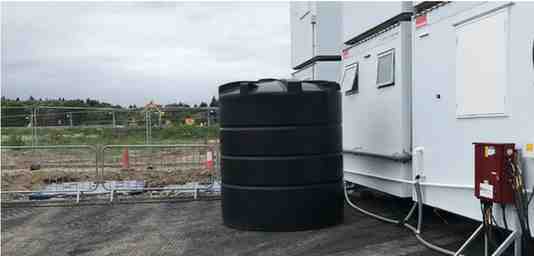
Temporary tanks are often undersized or poorly positioned. Without buffer capacity, any delivery delay immediately halts operations. Proper tanker planning always starts with storage strategy, not delivery frequency.
No Contingency for Disruption
Weather, mechanical faults, or regional demand spikes are not rare events. Yet many temporary supply plans assume uninterrupted service. When disruption occurs, there is no redundancy built into the system.
Compliance and Water Quality Risks
Beyond operational delays, poorly planned temporary supply introduces compliance risk. Different applications require different water standards, and failure to meet them can invalidate inspections, warranties, or safety approvals.
In New Zealand, guidance from agencies such as the Ministry for the Environment outlines clear expectations around water handling, environmental protection, and discharge control. When tanker supply is treated casually, these obligations are often overlooked, exposing operators to avoidable regulatory consequences.
Why Planning Must Start Earlier Than Most Expect
Temporary water supply decisions are often made late in the project timeline, sometimes days before water is needed. By that point, access routes are fixed, storage is installed, and schedules are locked in.
Effective tanker planning should begin during early site logistics discussions. At this stage, planners can align:
- Storage size with peak demand
- Delivery frequency with site activity cycles
- Access routes with traffic and safety plans
- Contingency options with risk assessments
When this alignment happens early, tanker supply becomes predictable rather than reactive.
The Cost of Reactive Water Supply
When water planning fails, the cost is rarely limited to delivery fees. Downtime, labour inefficiency, equipment delays, and compliance breaches quickly outweigh any perceived savings.
Projects that rely on experienced providers such as Essential Bulk Liquids tend to approach temporary supply as an engineered solution rather than a transport task. This shift in mindset is often the difference between stable operations and constant firefighting.
What Reliable Temporary Water Systems Have in Common
Across industries, successful temporary water setups share a few consistent traits:
- Demand is modelled realistically, not optimistically
- Storage acts as a buffer, not a bottleneck
- Tanker schedules account for access and turnaround time
- Backup options are identified before they are needed
These systems rarely draw attention because they work quietly in the background. Their success is measured by the absence of disruption.
Final Thoughts
Temporary water supply does not fail because tanker services are unreliable. It fails because planning is incomplete. Treating water as a critical input rather than an afterthought changes how systems are designed, scheduled, and protected against risk.
When tanker planning is done properly, temporary water supply becomes one of the most stable components of a project rather than its weakest link.
