

Water damage may devastate homes and businesses, inflicting severe structural damage and health dangers if not managed quickly and efficiently. Fortunately, advancements in technology and innovation have revolutionized the water restoration industry. These innovations have not only improved the efficiency and effectiveness of water restoration services but also reduced costs and minimized the environmental impact. In this article, we’ll explore how technology and innovation are transforming water restoration services.
Advanced Detection And Monitoring Systems
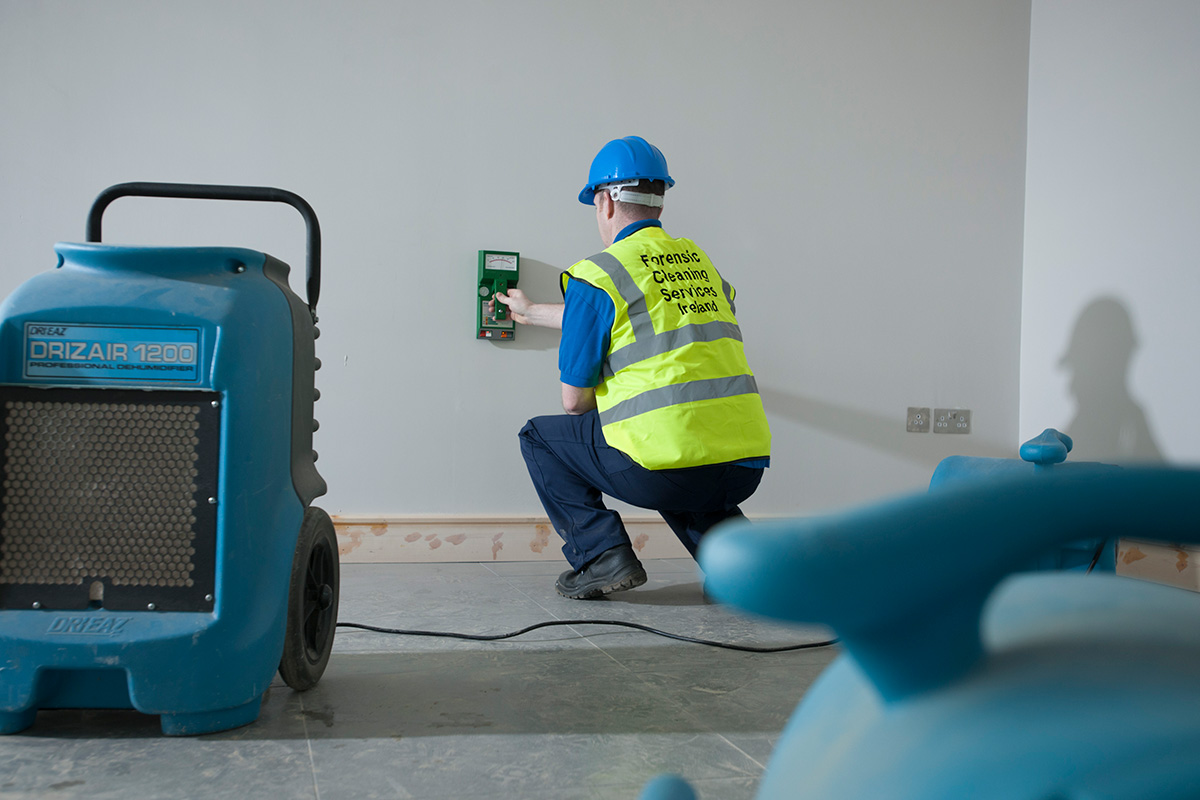
One of the critical aspects of water restoration is identifying the extent of the damage accurately. Traditional methods relied heavily on visual inspection, which often led to overlooking hidden water pockets and moisture buildup. Today, cutting-edge detection and monitoring systems, such as infrared cameras, moisture meters, and thermal imaging, allow professionals to pinpoint moisture sources accurately. This technology enables faster and more precise restoration efforts, reducing the risk of long-term damage and mold growth.
Water Extraction And Drying Equipment
Technology has brought significant improvements to water extraction and drying equipment. High-capacity pumps, vacuums, and dehumidifiers have become more efficient and powerful, allowing for faster removal of excess water. Furthermore, these machines can adjust moisture levels in the air, promoting faster drying times and preventing secondary damage. With the integration of smart sensors and automation, these systems can optimize their performance and reduce energy consumption.
Environmental Sustainability
Innovation in the water restoration industry isn’t limited to efficiency; it also focuses on environmental sustainability. Eco-friendly and green restoration practices have gained popularity in recent years. Water restoration companies now use environmentally safe and biodegradable cleaning agents, reducing their ecological footprint. Additionally, recycling and reusing materials whenever possible have become standard practices, minimizing waste generation during the restoration process.
Data Analytics And Predictive Maintenance
Data analytics and predictive maintenance have become invaluable tools in water restoration service. By collecting and analyzing historical data on water damage incidents, professionals can better anticipate potential issues and plan preventive measures. Predictive maintenance of equipment ensures that extraction and drying systems are always in optimal working condition, reducing downtime and unexpected breakdowns.
Mobile Apps And Communication
Effective communication is crucial during water restoration projects, especially in emergency situations. Mobile apps and cloud-based communication platforms have streamlined communication between restoration teams, clients, and insurance companies. Real-time updates, photos, and progress reports can be easily shared, allowing all stakeholders to stay informed and make informed decisions quickly.
Remote Monitoring And Control
Remote monitoring and control technology have empowered water restoration professionals to manage equipment and systems from a distance. This capability is particularly beneficial in cases where access to the affected property is limited or hazardous. Technicians can adjust settings, monitor progress, and troubleshoot issues remotely, ensuring that the restoration process proceeds smoothly and safely.
3D Scanning And Visualization
Advanced 3D scanning and visualization tools have enhanced the assessment and planning stages of water restoration projects. These tools create detailed 3D models of the affected areas, enabling professionals to identify structural damage and develop comprehensive restoration plans more accurately. This technology ensures that no damage is overlooked and that resources are allocated efficiently.
Conclusion
Technology and innovation have transformed the water restoration industry, making it more efficient, environmentally friendly, and capable of providing higher-quality services. With advanced detection and monitoring systems, eco-friendly practices, and data analytics, water restoration professionals can respond more effectively to water damage incidents. These innovations not only reduce the physical and financial impact of water damage but also contribute to a safer and more sustainable future for all. As technology continues to evolve, the water restoration industry will undoubtedly see even more improvements, further enhancing its ability to protect properties and communities from the devastating effects of water damage.