
In the construction industry, accurate planning is the foundation of every successful project. From residential developments to large commercial buildings, contractors rely heavily on precise cost forecasting before construction begins. This is where takeoff and estimating play a critical role. These processes help determine the materials, labor, and financial resources required to complete a project efficiently.
For contractors, developers, and project managers, understanding how takeoff and estimating work can significantly reduce risk and improve bidding accuracy. Many construction professionals also collaborate with specialized firms such as The Global Estimation, which provide detailed quantity takeoffs and cost estimates to support project planning. By combining data analysis, technical expertise, and modern estimating software, professionals can create reliable projections that guide construction decisions from start to finish.
What Is Construction Takeoff?
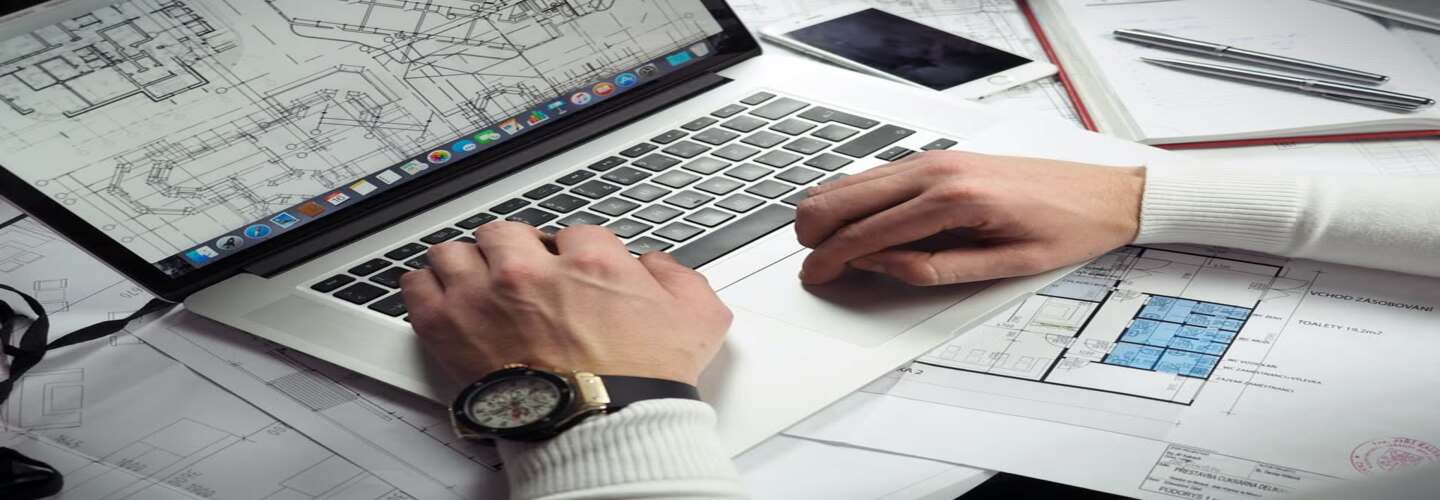
Construction takeoff, often referred to as quantity takeoff, is the process of measuring and listing all materials needed for a project based on architectural drawings and specifications. It involves analyzing blueprints to calculate quantities such as concrete volume, steel reinforcement, drywall area, insulation requirements, and other building components.
This step is essential because material quantities directly influence project costs. For example, a contractor building a commercial structure must calculate square footage for flooring, wall assemblies, roofing materials, and insulation systems. Accurate measurements ensure that purchasing teams order the correct quantities, preventing costly shortages or unnecessary surplus.
Digital takeoff tools have significantly improved this process. Instead of relying solely on manual calculations, estimators now use advanced software to measure plans more efficiently and minimize errors. As a result, modern takeoff processes are faster, more accurate, and easier to update when design revisions occur.
The Role of Estimating in Construction
While takeoff focuses on quantities, construction estimating converts those quantities into financial projections. Estimating involves determining the cost of materials, labor, equipment, subcontractor work, and overhead expenses.
A comprehensive estimate typically includes several key components:
- Material costs based on quantity takeoffs
- Labor rates for skilled and unskilled workers
- Equipment and machinery expenses
- Subcontractor bids for specialized trades
- Project overhead and contingency allowances
These elements combine to form a complete project budget. When contractors submit bids for construction projects, the accuracy of their estimates often determines whether they win the contract.
Professional estimating services, such as those offered by The Global Estimation, help contractors prepare competitive bids while maintaining realistic profit margins. Reliable estimates ensure that projects remain financially viable from the planning stage through completion.
Why Accurate Takeoff and Estimating Matter
Errors in construction estimation can lead to serious problems. Underestimating costs may cause budget overruns, while overestimating could result in losing bids to competitors. Accurate takeoff and estimating provide several important benefits:
1. Improved Budget Control
Precise cost calculations help project managers allocate resources efficiently and avoid unexpected financial issues.
2. Competitive Bidding
Contractors with accurate estimates can submit bids that are both competitive and profitable.
3. Better Project Planning
Reliable cost forecasts allow teams to schedule work, manage procurement, and coordinate subcontractors more effectively.
4. Reduced Waste and Delays
Correct material quantities minimize waste and prevent construction delays caused by supply shortages.
Because of these advantages, many construction firms prioritize professional estimation as part of their project planning strategy.
The Importance of Thermal and Moisture Protection
One of the often overlooked aspects of estimating is thermal and moisture protection. This category includes materials and systems designed to regulate temperature and prevent water infiltration within buildings. Examples include insulation, vapor barriers, waterproof membranes, roofing systems, and sealants.
Thermal protection helps maintain indoor comfort while improving energy efficiency. Proper insulation reduces heating and cooling costs, making buildings more sustainable and environmentally friendly.
Moisture protection, on the other hand, safeguards structures from water damage. Without effective waterproofing and vapor control systems, buildings can experience mold growth, structural deterioration, and expensive repair requirements.
When estimators analyze construction plans, they must carefully calculate the quantities and costs associated with these protective systems. This ensures that contractors allocate adequate resources for insulation, weatherproofing, and roofing components.
Technology Transforming Construction Estimating
The construction industry has increasingly adopted digital tools to streamline takeoff and estimating workflows. Modern estimating platforms allow professionals to perform detailed measurements directly from digital blueprints, automate calculations, and generate cost reports within minutes.
Cloud-based collaboration has also improved communication among project stakeholders. Architects, contractors, and estimators can review updated drawings in real time, ensuring that estimates remain aligned with design changes.
Companies such as The Global Estimation leverage these technologies to deliver accurate and efficient estimating services. By combining advanced software with industry expertise, professional estimators can produce detailed reports that support better decision-making across the construction lifecycle.
Conclusion
In today’s competitive construction environment, takeoff and estimating are essential processes that influence nearly every aspect of a project. Accurate quantity takeoffs ensure that contractors understand the materials required, while detailed estimates translate those quantities into realistic financial projections.
Beyond basic calculations, modern estimators must also consider specialized elements such as thermal and moisture protection, which play a crucial role in building performance and durability. With the help of advanced software and professional expertise, construction teams can develop reliable estimates that reduce risk, improve efficiency, and support successful project delivery.
As construction projects continue to grow in complexity, the importance of accurate estimation will only increase. Companies like The Global Estimation demonstrate how specialized estimating expertise can help contractors plan smarter, bid more confidently, and execute projects with greater financial clarity.