

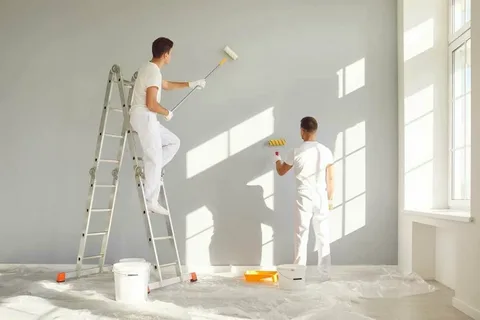
A flawless paint job begins long before the first coat is applied. Proper surface preparation ensures paint adheres correctly, lasts longer, and delivers a smooth professional appearance. Homeowners planning Residential painting Lake Forest, CA projects often overlook preparation steps, but cleaning, repairing, and priming surfaces can make the difference between a finish that lasts a few years and one that performs for a decade.
Key Takeaways
- Surface preparation determines paint durability and appearance.
- Cleaning, sanding, and priming improve adhesion and finish quality.
- Professional preparation reduces peeling, cracking, and repainting costs.
Why Surface Preparation Matters Before Painting
Paint bonds best to clean, dry, and smooth surfaces. Dirt, moisture, grease, or damaged drywall can prevent proper adhesion, leading to bubbling or early peeling. Proper preparation creates an even surface that allows paint layers to cure correctly and resist environmental stress.
Professionally prepared surfaces also require fewer coats, saving time and materials while improving long-term performance.
Essential Surface Preparation Steps For Residential Painting
Cleaning And Degreasing Walls
Walls naturally collect dust, oils, and residue over time. Washing surfaces with appropriate cleaning solutions removes contaminants that interfere with paint adhesion. In kitchens and bathrooms, degreasing is especially important due to higher moisture and oil exposure.
Repairing Holes, Cracks, And Surface Damage
Small imperfections become highly visible after painting. Filling nail holes, patching drywall cracks, and repairing dents create a smooth foundation that ensures an even final appearance.
Sanding For Smoothness And Adhesion
Light sanding removes rough textures, peeling paint, and glossy finishes that prevent paint bonding. Proper sanding creates a slightly textured surface that improves adhesion and enhances finish durability.
Priming For Long-Term Protection
Primer seals porous surfaces and ensures consistent color coverage. It also prevents stains from bleeding through new paint layers and helps finishes last longer in high-traffic areas.
Professional Surface Preparation Advantages
- Thorough Cleaning That Improves Paint Bonding: Professional painters use specialized cleaning solutions and equipment to remove dust, grease, mildew, and residue. This step ensures paint adheres evenly, reducing the risk of peeling or bubbling within the first few years.
- Accurate Damage Detection And Repairs: Experienced contractors inspect walls carefully for hidden cracks, drywall damage, or moisture issues. Early repairs prevent future paint failure and protect structural wall integrity.
- Consistent Sanding For Uniform Finish Results: Professionals apply proper sanding techniques that eliminate surface irregularities without damaging drywall. This ensures paint reflects light evenly, producing a smooth, professional-quality appearance.
- Correct Primer Selection For Each Surface Type: Different materials require specific primers to achieve optimal adhesion. Experts select primers designed for drywall, wood, or previously painted surfaces, ensuring long-lasting performance.
- Reduced Long-Term Maintenance Costs: Proper preparation extends the life of paint finishes, reducing the frequency of repainting and lowering maintenance expenses over time.
- Efficient Project Completion With Professional Tools: Skilled painters use industry-grade tools and preparation equipment that speed up the process while maintaining superior quality standards.
Surface Preparation Requirements By Material
Different wall materials require specific preparation techniques to ensure paint durability and appearance.
| Surface Type | Preparation Method | Key Benefit |
| Drywall | Patch, sand, and prime | Smooth paint-ready finish |
| Wood | Sanding and sealing | Prevents moisture absorption |
| Previously Painted Walls | Cleaning and light sanding | Improves adhesion |
| Stucco | Pressure cleaning and priming | Enhances coating durability |
Matching preparation methods to surface materials ensures optimal paint performance.
Common Preparation Mistakes Homeowners Should Avoid
Skipping preparation steps often leads to early paint failure. Painting over dusty surfaces, ignoring moisture problems, or failing to repair cracks can cause peeling, uneven finishes, and repeated repainting.
Using the wrong primer or applying paint directly to glossy surfaces is another frequent issue. Without proper surface roughening and sealing, even premium paints may fail to bond correctly.
Professional preparation eliminates these risks by ensuring each step is completed according to industry standards.
How Professional Preparation Enhances Paint Longevity
Well-prepared surfaces allow paint to form a strong protective layer that resists humidity, temperature changes, and everyday wear. This improves both visual appearance and functional durability. At Streamline Painting & Coatings, studies from coating manufacturers consistently show that up to 70% of paint failures occur due to inadequate surface preparation, highlighting the importance of professional workmanship.
Investing in proper preparation results in smoother finishes, fewer repairs, and longer repainting intervals, making it one of the most cost-effective steps in any residential painting project.
Why Homeowners Choose Streamline Painting & Coatings
Streamline Painting & Coatings provides professional preparation and painting services designed to deliver long-lasting residential finishes. Their team follows detailed preparation procedures, uses premium primers and coatings, and ensures every surface is properly repaired, cleaned, and prepared before painting begins.
Streamline Painting & Coatings
Phone: (949) 929-6212
Email: mark@streamlinepainting.com
Contact their team today to schedule a residential painting consultation and achieve a flawless, durable finish that enhances your home’s beauty and value.
Frequently Asked Questions
Why Is Surface Preparation Important Before Painting?
Preparation ensures paint adheres properly, preventing peeling, cracking, and uneven finishes while extending the life of the coating.
Do All Walls Need Primer Before Painting?
Most surfaces benefit from primer, especially new drywall, repaired areas, and walls with stains or color changes.
How Long Does Surface Preparation Take?
Preparation time varies by project size but often takes as long as the painting itself because it includes repairs, sanding, cleaning, and priming.
Can I Paint Over Small Wall Cracks Without Repairing Them?
Painting over cracks without repair usually results in visible imperfections and recurring damage. Proper patching is recommended.
Does Professional Preparation Reduce Painting Costs?
Yes. Proper preparation reduces the number of coats required and prevents early repainting, saving money over time.
How Often Should Interior Surfaces Be Repainted?
Most interiors require repainting every 5–8 years, depending on traffic levels and environmental conditions.