

In the high-stakes world of automotive production, material choice is the heartbeat of innovation. As manufacturers navigate the shift toward electric mobility and stricter safety protocols, the demand for materials that balance weight reduction with structural integrity has never been higher. Stainless steel strip has emerged as the definitive solution, offering a unique blend of durability, formability, and environmental sustainability.
From the rugged components of an exhaust system to the precision-engineered housings of EV battery packs, this versatile material is driving the future of transportation. In this guide, we break down why stainless steel is the preferred choice for the next generation of vehicles.
What is Stainless Steel Strip?
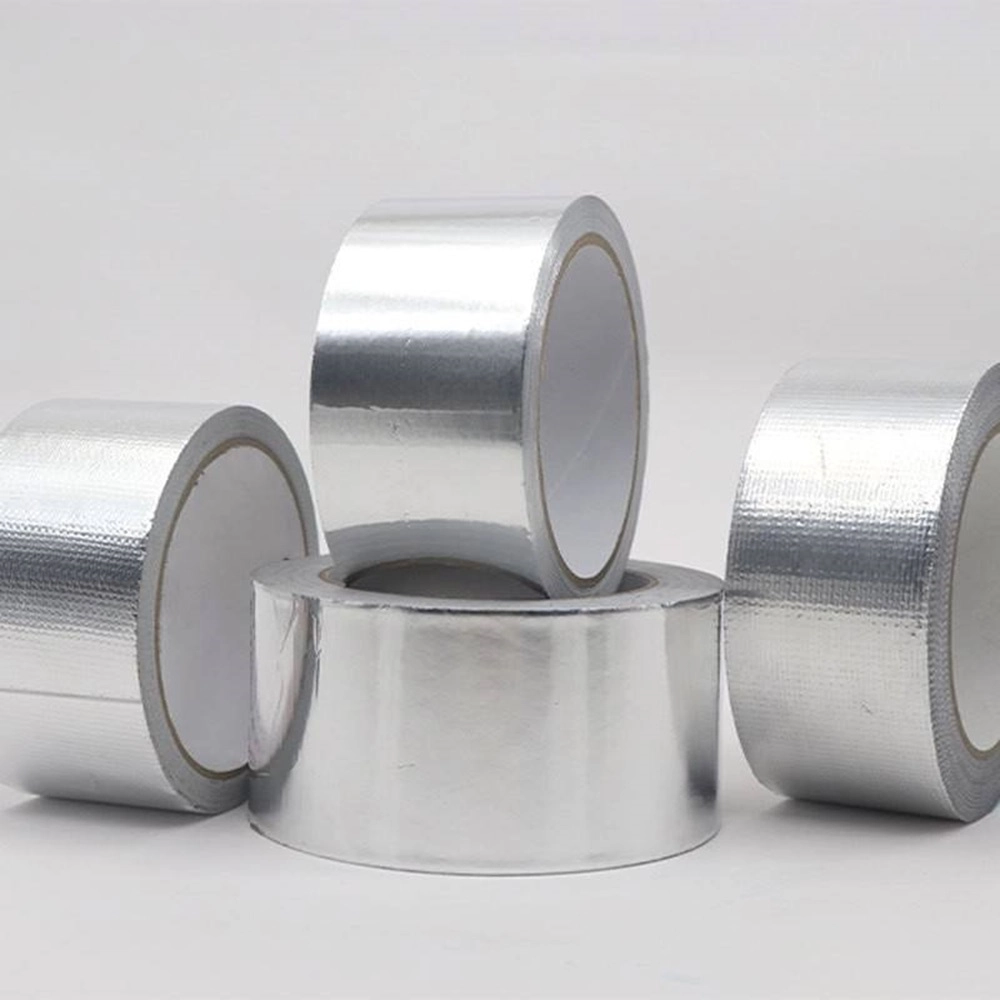
Before exploring its applications, it is essential to define the material. Stainless steel strip is created by slitting wide, flat-rolled coils into specific, narrow widths. This process ensures high dimensional accuracy and consistent mechanical properties across the entire length of the material.
As defined by metallurgical standards (and detailed on Wikipedia), stainless steel must contain a minimum of 10.5% chromium. This chemical composition facilitates the formation of a “passive layer”—a microscopic oxide film that self-heals and prevents deep-seated corrosion, even when the surface is scratched.
Why the Automotive Industry Relies on Stainless Steel
Vehicles are subject to brutal environments: road salt in winter, extreme engine heat, and constant vibration.
- Superior Corrosion Resistance: Unlike standard carbon steel, which requires heavy coatings to prevent rust, stainless steel is inherently resistant to oxidation. This is critical for underbody components exposed to moisture and de-icing chemicals.
- High Strength-to-Weight Ratio: To improve fuel efficiency and range, engineers must reduce vehicle mass. High-tensile stainless steel allows for thinner parts that maintain the same protective strength as thicker, heavier alternatives.
- Thermal Resilience: In areas like the manifold or turbocharger, materials must withstand temperatures exceeding 800°C without losing structural shape.
- Sustainability: Over 80% of stainless steel is recovered at the end of a vehicle’s life, making it a cornerstone of the circular economy.
Key Applications in Vehicle Assembly Shutterstock
1. Exhaust and Emission Systems
Because they handle hot, corrosive gases, exhaust components are almost exclusively made from stainless steel. Grade 304 and 316 strips are commonly used for:
- Mufflers and resonators
- Catalytic converter shells
- Manifolds and downpipes
2. Electric Vehicle (EV) Battery Modules
The EV revolution has created a massive surge in the stainless steel foil market. Manufacturers use specialized strips for:
- Battery Enclosures: Providing a fire-resistant, high-strength barrier.
- Busbars and Connectors: Ensuring reliable electrical conductivity and heat dissipation.
- Cooling Plates: Resisting the glycol-based coolants used to manage battery temperatures.
3. Structural Safety
To protect passengers during collisions, stainless steel strip is utilized in crash boxes, pillar reinforcements, and seatbelt mechanisms. Its ability to absorb energy during an impact is a key safety metric for modern OEMs.
Comparison of Common Automotive Grades
| Grade | Corrosion Resistance | Formability | Primary Use |
| 304 | High | Excellent | General trim, exhaust parts |
| 316 | Very High | Good | EV battery housings, sensors |
| 430 | Moderate | Fair | Decorative moldings, wipers |
Precision Manufacturing and Sourcing
The journey from a raw slab to a precision component involves several critical stages:
- Cold Rolling: Achieving the exact thickness required for lightweighting.
- Annealing: Softening the metal to ensure it can be stamped into complex shapes.
- Slitting: Cutting the stainless steel coil into precise strip widths.
For manufacturers requiring the highest levels of precision—especially in sensors and electronic shielding—utilizing stainless steel foil is often the best path forward.
Conclusion
As the industry pivots toward sustainable and autonomous technologies, the reliability of stainless steel strip for automotive manufacturing remains a constant. It is a material that doesn’t just meet today’s standards—it anticipates tomorrow’s challenges.
For premium material sourcing and technical specifications, visit Stainless Steel Foil or reach out to our engineering team via our contact page for a custom quote.
Would you like me to generate a table comparing the thermal expansion coefficients of these different stainless steel grades?