

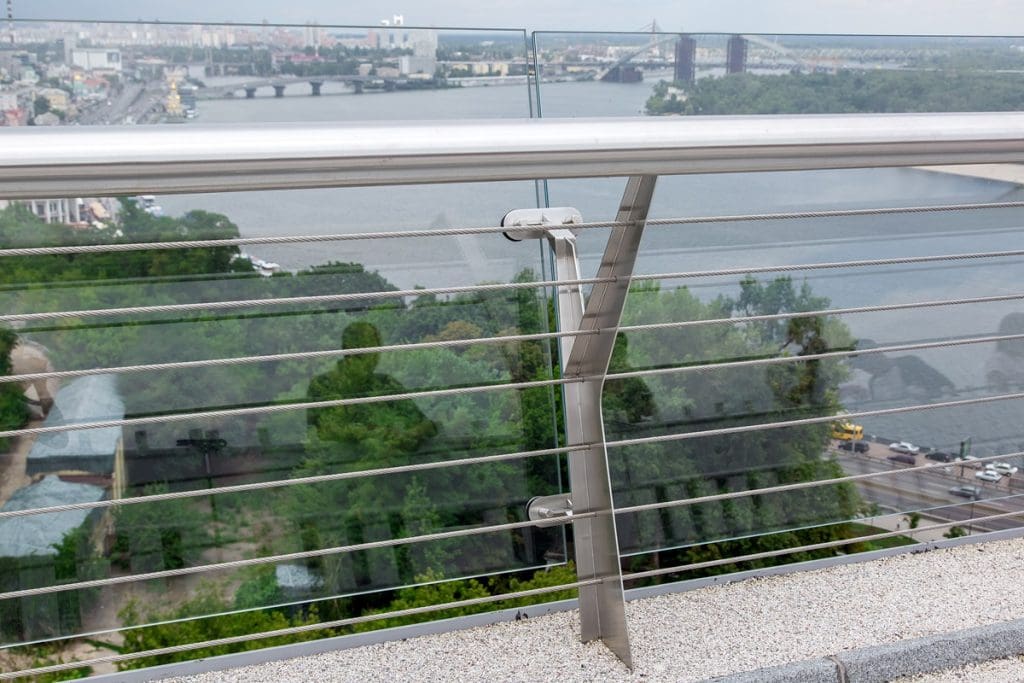
Modern outdoor design demands materials that can withstand the elements without sacrificing visual refinement. This is precisely why Stainless Steel Cable has become the premier choice for contemporary railing systems. Whether you are refurbishing a coastal deck, a mountain balcony, or an industrial staircase, cable infill offers a unique blend of structural strength and a “barely-there” aesthetic.
In this comprehensive guide, we will break down everything you need to perform a professional-grade installation of stainless steel cable for outdoor railing, from selecting the correct metallurgical grades to mastering tensioning techniques.
Why Cable is the Superior Choice for Outdoor Environments
When engineering outdoor spaces, your materials face a constant battle against oxidation, UV exposure, and moisture. Stainless steel cable is one of the few materials that thrives in these conditions.
- Corrosion Resistance: Unlike wood that rots or wrought iron that rusts, high-grade stainless steel maintains its luster for decades.
- Minimal Maintenance: Once tensioned correctly, the system requires very little upkeep compared to glass (which needs cleaning) or wood (which needs staining).
- Preserved Views: The thin profile of the cables ensures that your landscape remains the focal point, making it the ideal choice for properties with scenic vistas.
According to structural longevity reports, a well-maintained stainless steel cable railing system can retain its integrity for over 20 years, even in high-salt coastal environments.
Anatomy of a Cable Railing System
To understand how to specify your project, you must first understand the system’s core architecture. A standard assembly includes:
- Structural Posts: These can be wood, aluminum, or stainless steel. They bear the lateral load of the tensioned cables.
- Top Rail: Provides a handhold and prevents the end posts from pulling inward under cable tension.
- Cable Infill: The horizontal (or vertical) strands that provide safety.
- Tensioning Hardware: The turnbuckles and terminals that keep the lines taut.
For a deeper dive into these structural layers, refer to our technical guide on what is a railing system.
Selecting the Right Cable Construction
Not all cables are created equal. The “weave” of the wire determines its rigidity and appearance.
| Cable Type | Construction | Flexibility | Best Application |
| 1×19 | 1 strand of 19 wires | Very Low | The industry standard for railings; looks smooth and does not stretch. |
| 7×7 | 7 strands of 7 wires | Medium | Good for decorative applications or where slight bends are required. |
| 7×19 | 7 strands of 19 wires | High | Too flexible for most railings; used primarily for pulleys or winches. |
For 95% of residential and commercial railing projects, 1×19 construction is the recommended specification due to its clean architectural lines and high break strength.
Metallurgy Matters: Grade 304 vs. Grade 316
Choosing the wrong steel grade is the most common cause of premature system failure.
- Grade 304: Best for interior projects or arid, inland environments. It is cost-effective but susceptible to “tea staining” in humid areas.
- Grade 316 (Marine Grade): Contains Molybdenum, which provides 40% higher resistance to chlorides and salt spray. This is the mandatory choice for any outdoor project near the coast or a swimming pool.
Critical Installation Benchmarks
To ensure your railing is code-compliant and safe, follow these engineering standards:
- Post Spacing: Keep structural posts no more than 4 feet apart. Any wider, and the cables may deflect too much when under pressure.
- The 4-Inch Sphere Rule: Cables should be spaced vertically (usually 3 inches apart) so that a 4-inch sphere cannot pass through the gap at any point.
- Tensioning Order: Always tension from the middle cables outward to distribute the load evenly across the posts.
- Hardware Selection: Use high-quality stainless steel cable deck railing sets to ensure all fittings are compatible with your cable diameter.
Cost and Value Analysis
While the initial material cost for a stainless steel cable system is higher than pressure-treated wood, the Lifecycle Cost is significantly lower.
| Material | Initial Cost | Maintenance (10 yrs) | Lifespan |
| Stainless Steel Cable | High | Near Zero | 20+ Years |
| Wood | Low | High (Sealing/Sanding) | 10-12 Years |
| Composite | Medium | Low | 15-20 Years |
Summary
Stainless Steel Cable is the definitive choice for the modern exterior. It offers a sophisticated, industrial-chic look while providing the ruggedness needed to survive the 2026 climate. By prioritizing Grade 316 steel and 1×19 cable construction, you ensure your investment remains beautiful and safe for decades.
For project-specific advice or to view our latest installation tutorials, visit our YouTube channel or contact our engineering team today.
FAQs
- Can I install this myself? Yes, with a dedicated cable railing kit and basic tools, it is a manageable DIY project.
- Will the cables sag over time? High-quality 1×19 cable has very little “constructional stretch,” but turnbuckles allow for easy re-tensioning if needed.
- Is it safe for pets? Absolutely. When spaced according to code, it provides a secure barrier for even small pets.