
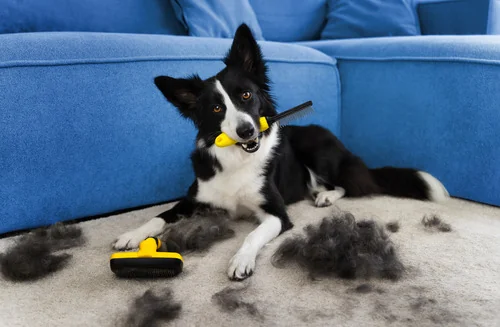
As daylight stretches and temperatures rise, many dogs begin a seasonal coat change that can leave owners sweeping, lint‑rolling, and wondering how to help. The good news is that a few consistent habits can make spring shedding healthier for your dog and far easier for your home. This guide explains what is happening under the fur, how to set a realistic routine, and when a professional hand can shorten the mess.
Understand What “Blow the Coat” Means
Spring shedding is driven by biology, not misbehavior. Many breeds replace part of their coat as days lengthen, and double‑coated dogs release the dense underlayer that provided winter insulation. That undercoat is designed to trap air and regulate temperature, while longer guard hairs on top protect the skin. Shaving a healthy double coat is rarely the answer, since the layered structure helps with both cooling and sun protection; regular de‑shedding is safer and more effective for spring transitions.
You may see heavier shed rates in dogs with thick or weather‑resistant coats, while short‑coated dogs still release plenty of dead hair. Either way, plan to step up brushing frequency for a few weeks so loose undercoat exits your house on your brush, not your upholstery.
Make Brushing Your First Line of Defense
Brushing is the simplest way to help the new coat come in cleanly and to reduce shedding around the home. Match tools to coat type. Rubber curries work well on smooth coats to lift dead hair and stimulate the skin. Slicker brushes and undercoat rakes reach through longer or double coats and remove loose underfur before it mats. Aim for short, focused sessions several times a week, and use gentle line brushing down to the skin rather than quick surface passes.
While you work, check common trouble spots like the ruff, behind the ears, the belly, and the pants on the hindquarters. Regular attention in these areas prevents tangles that can trap moisture and lead to skin irritation as weather warms.
Time Baths and Drying to Help the Process
A well‑timed bath can loosen dead undercoat and make de‑shedding more efficient. Brush before bathing so water does not tighten small tangles. Use a dog‑specific shampoo and rinse thoroughly; human products can disrupt the canine skin barrier and increase irritation. After the bath, dry the coat completely and brush again to remove hair that released with washing. Most healthy dogs do well with a bathing cadence every few weeks during peak shed, then less often once the transition is complete, but individual needs vary with breed, skin, and lifestyle.
If your dog swims, towel‑dry and brush afterward to keep moisture from sitting in dense coat. A simple prefilled bottle of leave‑in, vet‑approved ear or coat conditioner can help reduce post‑swim itch in sensitive dogs, but always choose products made for pets and ask your veterinarian before trying anything new.
Support Skin and Coat from The Inside
Shiny, resilient coats depend on healthy skin. Balanced nutrition that includes essential fatty acids supports the skin barrier and can improve coat quality over time. Omega‑6 fatty acids help maintain the outer water barrier of the skin, while omega‑3s such as EPA and DHA play roles in moderating inflammation and supporting overall skin health. Many complete diets already provide appropriate levels, so talk with your veterinarian before adding supplements, especially if your dog has allergies or a sensitive stomach.
Hydration, routine parasite prevention, and a sensible body condition score also contribute to easier seasonal transitions. Flea allergy dermatitis can cause scratching and excess hair loss, so keeping parasites off your dog protects comfort and the fresh coat you are working to reveal.
When A Professional Makes Spring Easier
There are weeks in spring when a skilled groomer can save you hours. When you compare salons, look for calm handling, individual attention, and predictable scheduling, since a quiet setup helps many dogs tolerate longer de‑shedding sessions. As a practical reference, owners considering dog grooming in Raleigh, NC often look for shops that highlight one‑on‑one care, a stress‑reducing environment, and consistent hours, which makes it easier to book tidy visits that combine a bath, a thorough blow‑dry, and targeted undercoat removal.
If your dog has a heavy or curly coat, a seasonal tidy around the feet, sanitary areas, and feathers can keep spring mud and yard debris from traveling indoors. Ask the groomer to show you how they finish comb‑outs and what tools they recommend for home maintenance between appointments so you can extend the results longer.
Keep Your Home Ahead of the Hair
Even with the best plan, spring still brings extra fluff. A few housekeeping tweaks can help. Vacuum high‑traffic paths and favorite dog lounges more often during peak shed weeks. Wash pet blankets and bed covers on a predictable schedule so loose hair and dander do not build up. Short, daily brush‑outs on the porch or driveway remove surprising amounts of hair without spreading it through the house.
If someone in your household has mild seasonal allergies, consider running a HEPA filter in the main living area while shedding is heaviest. Clean air flow and frequent surface wipes reduce airborne hair fragments and dander that accompany the coat transition. Pair that with your dog’s regular brushing and you will notice less hair accumulating in corners and on fabric.
Conclusion
Spring shed season is temporary, and with a steady routine it does not have to take over your home. Understand how the coat changes, brush with the right tools several times a week, time baths and blow‑dries to help loosen undercoat, and support skin health with balanced nutrition. Add a professional de‑shed when you need extra help. A few consistent weeks now will reveal a clean, comfortable warm‑weather coat and make the rest of the year easier for both of you.