

How Often to Clean Solar Panels on the Roof
The frequency of solar panel cleaning depends on several environmental factors unique to your location. There’s no one-size-fits-all answer, but understanding your specific conditions helps establish an optimal cleaning schedule.
General Cleaning Frequency Guidelines
Residential Systems in Average Conditions: Clean panels 2-4 times per year. Most homeowners find that seasonal cleaning (spring and fall, with optional summer and winter cleanings) maintains optimal performance without excessive maintenance effort.
Minimal Maintenance Locations: If you live in areas with regular rainfall, moderate air quality, and minimal dust, annual or bi-annual cleaning may suffice. Rain naturally rinses away a light accumulation of dust and pollen, reducing the need for manual cleaning.
High-Maintenance Environments: Properties in dusty, high-pollen, agricultural, or urban-industrial areas may require monthly or bi-monthly cleaning. Heavy soiling accumulates more quickly, and rain alone cannot keep surfaces clean.
How to Start a Solar Panel Cleaning Business
Environmental Factors That Increase Cleaning Frequency
Dry, Dusty Climates: Desert regions, agricultural areas, and locations near unpaved roads accumulate dust rapidly. These environments typically require monthly cleaning during peak dust seasons.
High Pollen Areas: Properties surrounded by trees, especially pine or oak, experience heavy pollen accumulation in spring and fall. Plan cleanings immediately after peak pollen seasons in your region.
Urban Industrial Zones: Air pollution, exhaust particulates, and industrial emissions create a grimy film that requires more frequent attention. Cities with heavy traffic or those near factories require regular monthly cleaning.
Bird Activity: Properties near bird nesting areas, water sources, or flight paths experience frequent droppings. Bird waste is acidic and should be removed promptly—weekly inspections with spot cleaning as needed.
Coastal Environments: Salt spray creates a sticky film that attracts additional dirt. Coastal properties benefit from monthly cleaning to prevent salt buildup and corrosion.
Wildfire Prone Regions: After fire season, ash and soot require immediate, thorough cleaning. Even distant wildfires can deposit fine particulate matter that significantly reduces efficiency.
Monitoring Performance to Determine Cleaning Needs
Rather than relying solely on calendar schedules, monitor your system’s production data:
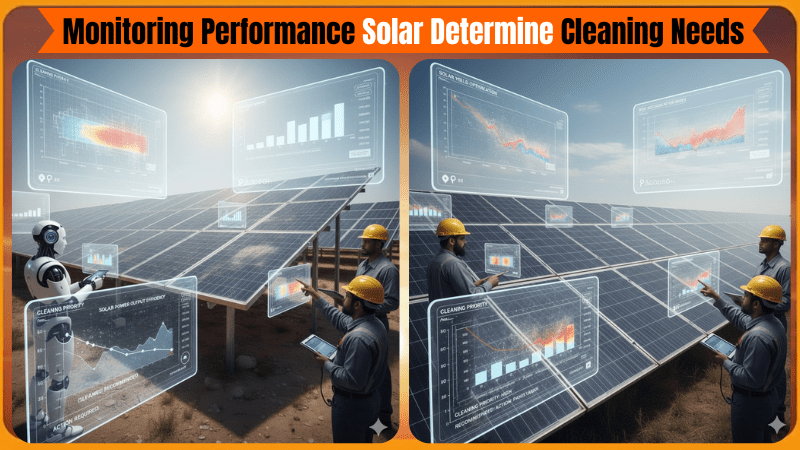
Establish Baseline Performance: Track energy production during clean conditions over several weeks. Note seasonal variations in output based on sun angle and day length.
Watch for Production Drops: A decline of 5% or more compared to baseline (accounting for seasonal changes) often indicates cleaning is needed. Modern monitoring systems make this tracking straightforward.
Visual Inspections: Monthly visual checks from ground level help identify obvious soiling. Use binoculars to inspect panels without climbing on the roof. Look for visible dirt, bird droppings, leaves, or discoloration.
Post-Rain Assessment: After rainfall, check if panels appear clean or if water spots and remaining dirt indicate manual cleaning is necessary. Not all rain effectively cleans panels; drizzle can actually worsen dirt buildup.
Seasonal Considerations
Spring Cleaning: Essential for removing winter grime, pollen accumulation, and any debris from storms. This prepares panels for peak summer production season.
Summer Maintenance: In dusty regions, mid-summer cleaning prevents accumulated dirt from reducing output during the longest, sunniest days when production potential peaks.
Fall Preparation: Remove fallen leaves, pollen, and prepare panels for winter weather. Cleaning panels before the snow season ensures maximum efficiency during shorter winter days.
Winter Checks: Unless you experience heavy soiling, winter cleaning is often optional in most climates. Focus on snow management rather than routine cleaning during this season.
Professional vs. DIY Cleaning Schedule
DIY Approach: Most homeowners can safely clean ground-level or easily accessible panels 2-4 times yearly. This saves $300-$800 annually in professional service costs.
Professional Service: For high roofs (2+ stories), steep pitches, or if you’re uncomfortable with heights, schedule professional cleaning 2-4 times yearly. Costs typically range from $100-$300 per visit, depending on system size.
Hybrid Strategy: Many homeowners combine approaches, handling easy seasonal cleanings themselves while hiring professionals for challenging conditions or annual deep cleaning.
Can You Use Windex on Solar Panels?
This is one of the most common questions homeowners ask, and the short answer is: not recommended. While Windex won’t immediately destroy your panels, it’s not the optimal choice for several important reasons.
Why Windex Isn’t Ideal for Solar Panels
Ammonia Content: Most Windex formulations contain ammonia, which can degrade the anti-reflective coating on solar panels over time. This coating is specifically engineered to maximize light absorption, and ammonia-based cleaners gradually compromise its effectiveness.
Streak Formation: Windex is designed for vertical glass surfaces where gravity helps prevent streaking. On horizontal or angled solar panels, it often leaves streaks that can reduce light transmission and create uneven cleaning patterns.
Residue Buildup: Glass cleaners contain surfactants and other chemicals that leave invisible residue. On solar panels, this residue attracts dust and dirt more quickly, meaning you’ll need to clean more frequently.
Inefficient for Heavy Soiling: Solar panels typically accumulate dust, pollen, and bird droppings rather than fingerprints and light smudges. Windex isn’t formulated to tackle these types of outdoor contaminants effectively.
Cost Inefficiency: For large solar arrays, using Windex becomes expensive compared to simple water-based solutions that work equally well or better.
How much does it cost to pigeon-proof solar panels?
What to Use Instead of Windex
Plain Water: For 90% of cleaning situations, pure water, especially deionized or distilled water the best choice. It leaves no residue, won’t damage coatings, and effectively removes most dirt when combined with proper technique.
Mild Dish Soap Solution: For stubborn dirt, mix a few drops of gentle, non-abrasive dish soap (like Dawn or Seventh Generation) with water. Use approximately 1/4 teaspoon per gallon of water. This creates sufficient cleaning power without harsh chemicals.
Specialized Solar Panel Cleaners: Commercial solar panel cleaning solutions are pH-balanced and coating-safe. While more expensive than water, they’re formulated specifically for photovoltaic surfaces and work well for heavy soiling. Popular brands include Solar Wash and Polywater SPW-128.
White Vinegar Solution: For hard water spots or mineral deposits, mix one part white vinegar with eight parts water. This natural acidic solution dissolves mineral buildup without damaging panels. Rinse thoroughly after application.
When Mild Cleaners Are Acceptable
If you absolutely must use a glass cleaner:
- Choose ammonia-free formulations specifically
- Dilute the cleaner more than recommended for windows (50% or more dilution)
- Use sparingly, only on heavily soiled spots, not entire panels
- Rinse thoroughly with plain water after application
- Limit frequency to prevent cumulative coating damage
However, even with these precautions, plain water or dedicated solar cleaning solutions remain superior choices.
Cleaning Products to Absolutely Avoid
Never use these on solar panels:
- Abrasive cleaners or scouring powders
- Harsh chemicals like bleach, acetone, or paint thinner
- Pressure washers above 1,500 PSI
- Metal brushes or scrapers
- Car wash soaps (often contain waxes)
- Any product containing alcohol or strong solvents
- De-icing chemicals or salt
These products can permanently damage panel surfaces, degrade protective coatings, void warranties, or create safety hazards.
Panel Clean: Professional Solar Panel Cleaning Services
While “panel clean” might be a search term variation, it’s worth understanding when professional solar panel cleaning services make sense for your situation and what to expect from these services.
Benefits of Professional Cleaning Services
Safety First: Professional cleaners have proper equipment, insurance, and training to work safely on roofs. This eliminates personal injury risk and potential roof damage from inexperienced climbing.
Specialized Equipment: Professionals use water-fed poles with purified water systems, soft-bristle brushes designed for solar panels, and proper safety gear. This equipment delivers superior results compared to DIY efforts.
Efficiency and Thoroughness: Experienced cleaners complete the job in 30-60 minutes, compared to several hours for DIY first-timers. They know how to access difficult areas and remove stubborn buildup effectively.
Warranty Protection: Some solar panel warranties require professional maintenance to remain valid. Professional services provide documentation that proves proper care.
Inspection Services: Most professional cleaners inspect panels, mounts, and wiring during cleaning visits. They can identify developing problems like loose connections, cracked panels, or pest damage before they become serious.
Consistent Schedules: Service contracts ensure cleaning happens on schedule rather than being postponed indefinitely, as often happens with DIY intentions.
What Professional Solar Panel Cleaning Includes
A comprehensive professional cleaning service typically involves:
Pre-Cleaning Assessment: Visual inspection of panel condition, mounting hardware, and surrounding areas. Documentation of any existing damage or concerns.
Debris Removal: Clearing leaves, branches, bird nests, and other large debris from panels and surrounding roof areas.
Washing Process: Application of purified water using soft-bristle brushes or water-fed poles. Professionals typically use deionized water that leaves no spots or residue.
Spot Treatment: Targeted attention to stubborn stains, bird droppings, or problem areas using appropriate cleaning solutions.
Rinse and Dry: Thorough rinsing to remove all cleaning solutions and suspended dirt. Some services include squeegee drying to prevent water spots.
Post-Cleaning Inspection: Final check to ensure all panels are clean and functioning properly. Some companies photograph results for your records.
Performance Reporting: Better services document system performance before and after cleaning, demonstrating the effectiveness of their work.
Selecting a Quality Solar Panel Cleaning Company
Verify Insurance and Licensing: Ensure the company carries liability insurance and workers’ compensation. Request proof of coverage before allowing work to begin.
Check Solar-Specific Experience: General window cleaning companies may lack knowledge about solar panels. Look for services specializing in or frequently performing solar cleaning.
Review Cleaning Methods: Ask about their process, tools, and cleaning solutions. Avoid companies using pressure washers, abrasive tools, or harsh chemicals.
Read Customer Reviews: Check online reviews, Better Business Bureau ratings, and ask for local references. Look for consistent positive feedback about quality and professionalism.
Get Detailed Quotes: Compare pricing, services included, and any guarantees offered. Be wary of prices significantly below market rate—quality service requires proper equipment and training.
Understand Warranty Implications: Confirm their cleaning methods comply with your panel manufacturer’s warranty requirements. Some warranties void coverage if improper cleaning causes damage.
Ask About Scheduling Flexibility: Seasonal demand varies significantly. Companies with flexible scheduling can often accommodate your preferred timing.
Professional Cleaning Costs
Pricing varies based on location, system size, roof accessibility, and soiling level:
Small Residential Systems (10-20 panels): $100-$150 per cleaning.
Medium Systems (20-40 panels): $150-$250 per cleaning.
Large Systems (40+ panels): $250-$400+ per cleaning
Factors Increasing Cost:
- Steep or high roofs require special equipment
- Heavy soiling requiring additional treatment
- Remote locations with travel time
- Difficult access or architectural obstacles
- Emergency or rush service requests
Cost-Saving Options:
- Annual contracts with multiple cleanings (typically 10-20% discount)
- Group services with neighbors (some companies offer neighborhood discounts)
- Off-season scheduling when demand is lower
DIY vs. Professional: Making the Right Choice
Choose DIY When:
- Panels are easily accessible from ground level
- Roof pitch is gentle and safe to navigate
- You’re comfortable working at heights with proper safety equipment
- Cleaning needs are light to moderate
- Budget is extremely tight
Choose Professional When:
- Roof is steep, high (2+ stories), or otherwise dangerous
- You lack proper safety equipment and training
- Heavy soiling requires specialized treatment
- Warranty requires professional maintenance
- Time constraints make DIY impractical
- Physical limitations prevent safe roof access
Complete Solar Panel Cleaning Process: Step-by-Step
Whether you’re cleaning panels yourself or want to understand what professionals should be doing, this comprehensive process ensures safe, effective cleaning.
Safety Preparation (Critical First Steps)
Timing Considerations: Clean panels in early morning or late evening when surfaces are cool. Hot panels combined with cool water can cause thermal shock and cracking. Avoid midday cleaning in warm weather.
Weather Assessment: Never clean during rain, high winds, or icy conditions. Wait for calm, overcast days when panels are naturally cooler.
System Shutdown: While not always necessary, some manufacturers recommend shutting down the system during cleaning. Consult your owner’s manual or installation guide for specific recommendations.
Safety Equipment: Use non-slip shoes, a safety harness if working on the roof, and have a partner nearby. Never work alone on roofs, regardless of experience level.
Ground Rules: If you cannot safely access panels from ground level with extension tools, hire professionals. Your safety is worth more than cleaning cost savings.
Tools and Materials Needed
Essential Equipment:
- Soft-bristle brush on telescoping extension pole (specifically designed for solar panels)
- Garden hose with adjustable spray nozzle
- Bucket for cleaning solution
- Squeegee (optional, for final water removal)
- Buy Now Squeegee
- Best Squeegee
- Safety goggles and non-slip gloves
- Buy Safety goggles non-slip gloves
- Best Safety goggles non-slip gloves
Cleaning Solutions:
- Distilled or deionized water (preferred)
- A small amount of mild dish soap if needed
- White vinegar for hard water deposits
Safety Gear:
- Non-slip footwear
- Roof anchoring system and harness (if accessing the roof)
- Sturdy ladder rated for your weight plus equipment
The Cleaning Process
Step 1: Initial Rinse Spray panels with plain water from your hose to remove loose dirt, leaves, and debris. Use moderate pressure enough to dislodge particles but not strong enough to damage seals or connections. Work from top to bottom, allowing gravity to help carry debris away.
Step 2: Apply Cleaning Solution If water alone doesn’t remove all dirt, mix your mild soap solution (1/4 teaspoon per gallon). Apply to panels using a soft cloth, sponge, or spray bottle. For ground-level cleaning, a soft-bristle brush on an extension pole works perfectly.
Step 3: Gentle Scrubbing Using the soft-bristle brush, gently scrub panels in straight lines, not circular motions. Overlap each pass slightly to ensure complete coverage. Pay extra attention to edges and corners where dirt accumulates. Never apply heavy pressure—let the brush bristles do the work.
Step 4: Spot Treatment For bird droppings or stubborn stains, let the cleaning solution sit for 2-3 minutes before gently scrubbing. Dried-on droppings may require several applications and patience. Never scrape with hard objects—even plastic scrapers can scratch.
Step 5: Thorough Rinse Rinse panels completely with plain water, ensuring all soap residue is removed. Start at the top and work downward, using enough water to carry away all dissolved dirt and cleaning solution. Soap residue attracts dirt, so thorough rinsing is essential.
Step 6: Check for Streaks. Inspect panels from different angles in good lighting. If streaks or spots remain, rinse again with distilled water. Deionized or distilled water evaporates without leaving mineral deposits.
Step 7: Final Inspection Once panels are dry or mostly dry, inspect for any missed spots, damage, or developing issues. Check mounting hardware, wiring conduits, and connections for any problems. Document any concerns for professional evaluation.
Special Situations and Treatments
Hard Water Deposits: If mineral buildup is visible (white, chalky appearance), spray panels with diluted vinegar solution (1 part vinegar to 8 parts water). Let it sit for 5 minutes, then scrub gently and rinse thoroughly.
Tree Sap: Sap requires extra patience. Apply warm (not hot) soapy water and let it soften the sap for 10-15 minutes. Use a soft cloth to gently wipe away. Multiple applications may be necessary. Avoid strong solvents.
Bird Droppings: These should be removed promptly as they’re acidic and can etch glass over time. Soak with soapy water for several minutes to soften, then wipe clean gently. Consider bird deterrents to prevent recurring issues.
Lichen or Moss: These biological growths require professional removal. Do not attempt to scrape them off yourself, as aggressive scrubbing can damage protective coatings.
Maintenance Between Cleanings
Regular Inspections: Quick visual checks monthly can identify developing problems. Look for new debris, unusual discoloration, or performance changes.
Trim Nearby Vegetation: Keep trees trimmed back at least 10 feet from panels. This reduces falling debris, sap drips, and bird perching spots.
Monitor Weather Patterns: After storms, pollen season, or dust events, perform quick inspections to assess whether early cleaning is needed.
Check Inverter Readings: Modern systems provide real-time production data. Sudden drops in output often indicate soiling or technical issues requiring attention.
Maximizing Efficiency: Beyond Basic Cleaning
Understanding Performance Impact
Clean panels can produce 15-25% more energy than dirty ones, depending on soiling severity. In monetary terms, this can mean $200-$500 annually for typical residential systems. The efficiency loss from dirt accumulation is gradual, so many homeowners don’t notice until they compare production data year-over-year.
Protecting Your Investment
Solar panels typically last 25-30 years, but their longevity depends partly on proper maintenance. Regular cleaning prevents:
- Permanent staining from environmental pollutants
- Corrosion of frames and mounting hardware
- Hot spots caused by uneven soiling (which can damage cells)
- Coating degradation from prolonged exposure to acidic contaminants
- Premature system degradation reduces the overall lifespan
Warranty Considerations
Most manufacturers require evidence of reasonable maintenance for warranty claims. Keep detailed records of all cleaning activities:
- Dates of cleaning
- Methods and products used
- Photographs showing the panel condition before and after
- Professional service receipts and documentation
- Notes about any damage or concerns identified
This documentation protects your warranty coverage and helps diagnose performance issues if they develop.
Long-Term Cost Analysis
Initial Investment: Solar panels represent a $15,000-$30,000+ investment for most homes.
Cleaning Costs: DIY cleaning costs $50-$150 for equipment, then minimal ongoing costs. Professional cleaning runs $400-$1,000 annually for quarterly service.
Production Impact: Neglected panels can lose 20% efficiency ($300-$600 annually in lost production).
Maintenance ROI: Regular cleaning easily pays for itself through maintained efficiency, making it one of the highest-return maintenance activities for solar owners.
Common Cleaning Mistakes to Avoid
Using Abrasive Materials: Rough scrubbers, stiff brushes, or abrasive cleaners create microscopic scratches that accumulate over time, reducing panel efficiency and creating weak points susceptible to damage.
Cleaning Hot Panels: Temperature shock from cold water on hot panels can crack the glass. Always clean during cool parts of the day.
Excessive Pressure: Whether from aggressive scrubbing or high-pressure washers, excessive force can damage seals, crack cells, or dislodge panels from mounting systems.
Ignoring Safety: Falls from roofs cause serious injuries and deaths annually. No amount of energy production justifies risking your safety; hire professionals for dangerous situations.
Using Tap Water in Hard Water Areas: Tap water in hard water regions leaves mineral deposits that accumulate and cloud panels over time. Invest in distilled or deionized water for final rinses.
Stepping on Panels: Never walk directly on solar panels. Concentrated weight can crack cells or damage internal connections, even without visible surface damage.
Will a Cracked Solar Panel Still Work?
Neglecting Edges and Frames: Dirt accumulates heavily around frame edges and under panels. These areas require attention to prevent permanent staining and corrosion.
Conclusion
Effective solar panel maintenance balances thoroughness with practicality. Most homeowners find that cleaning panels 2-4 times yearly using simple water and soft brushes maintains optimal performance without excessive effort or cost. Monitor your system’s production, adjust your schedule based on local conditions, and prioritize safety above all else.
Remember that plain water works beautifully for most cleaning situations; you don’t need expensive specialty products or harsh chemicals like Windex. When panels are too high or dangerous to access safely, professional services provide peace of mind and proper care for your solar investment.
By implementing a consistent cleaning routine and avoiding common mistakes, you’ll maximize your solar system’s efficiency, extend its lifespan, and ensure you receive the full return on your renewable energy investment for decades to come.