
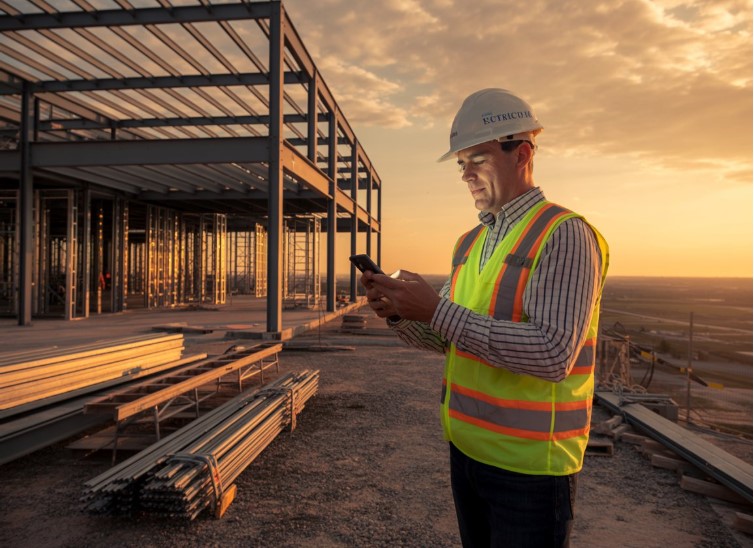
Let me guess: you’re a contractor, and you’ve been told you need to be on social media.
Maybe your nephew said you should be posting on Instagram. Maybe a marketing person told you Facebook is essential. Maybe you’ve seen competitors posting job photos and wondered if you’re missing out.
But here’s what you’re really thinking: “I build decks. I fix roofs. I remodel kitchens. What am I supposed to post—a photo of a toilet I just installed?”
I get it. Social media feels weird when you’re used to getting business through referrals, truck wraps, and yard signs. It doesn’t feel like “real” marketing.
And honestly? A lot of social media advice for contractors is complete garbage. People who’ve never swung a hammer telling you to “engage with your audience” and “build your brand story” while you’re trying to finish three jobs before the weekend.
So let’s cut through the noise. Here’s what actually works for Texas contractors on social media—and what’s just wasting your time.
Why Most Contractors Get Social Media Wrong
Before we talk about what works, let’s address why most contractors fail at social media.
It’s not because social media doesn’t work for contractors. It absolutely does—when done right.
The problem is most contractors approach it the wrong way.
They post once a month and wonder why nothing happens. Social media rewards consistency. Posting a job photo in January and then going silent until April doesn’t build any momentum.
They try to be clever or funny instead of just showing their work. You’re not a comedian. You’re a contractor. People want to see quality work, not memes.
They waste time on platforms their customers don’t use. If you’re a commercial concrete contractor, TikTok isn’t going to get you jobs. Your customers aren’t there.
They don’t have any strategy—they just post randomly. A photo here, a quote there, maybe a holiday greeting. No plan. No purpose. No results.
And then after six months of random posting with zero leads, they say “social media doesn’t work” and give up.
But it’s not that social media doesn’t work. It’s that random posting doesn’t work.
What Actually Works: The Types of Content That Generate Business
Let’s talk about what Texas contractors should actually be posting to get results.
Before-and-After Transformations
This is the single most effective type of content for contractors. Period.
A cracked, stained driveway next to a smooth, freshly sealed one. A dated kitchen beside the same space after your remodel. An overgrown yard transformed into a clean landscape.
People scroll past motivational quotes and business tips. But they stop and stare at transformations.
Why? Because they can visualize you doing the same thing for their property. They’re not hiring you for your personality or your brand story—they’re hiring you because you can turn their problem into a solution.
Post these consistently. One or two per week minimum. Show the mess. Show the finished product. Add a simple caption: “Another driveway restoration in Plano. Before and after.”
That’s it. No need to overthink it.
Progress Updates on Current Jobs
People love watching things get built. There’s something satisfying about seeing a deck go from framing to finished in a series of posts.
Document your bigger projects. Post updates every few days. “Day 1: Demo complete.” “Day 3: Framing done.” “Day 7: Final stain applied.”
This does two things: it shows you’re actively working (not sitting around), and it gives potential customers a realistic view of your process and timeline.
Plus, it’s content you’re creating anyway. You’re already on the job site. Pull out your phone, take a quick photo, post it. Two minutes of work.
Customer Reviews and Testimonials
When a customer leaves you a great review or sends a thank-you text, screenshot it and share it.
“Just finished a bathroom remodel in Fort Worth. Here’s what the homeowner had to say.”
Social proof is incredibly powerful. One genuine customer testimonial is worth more than ten posts of you talking about how great your work is.
Quick Tips and Common Mistakes
You have knowledge that homeowners don’t. Use it.
“3 signs your roof needs replacing—not just repairs.”
“The biggest mistake homeowners make when choosing a contractor.”
“Why cheap paint costs you more in the long run.”
These posts position you as an expert. They’re helpful without being salesy. And they’re easy to create because you already know this stuff—you just need to share it.
Keep them short. A minute-long video or a simple graphic with text. Don’t overthink it.
Behind-the-Scenes Content
People are curious about how things work. Show them.
Your truck loaded up for a job. Your crew prepping a site. The tools you use and why. A quick explanation of a technique most people don’t understand.
This humanizes your business. It shows there are real people doing real work, not just a logo and a phone number.
What Doesn’t Work: Stop Wasting Time on This Stuff
Now let’s talk about what contractors waste time on that generates zero business.
Generic Motivational Quotes
“Success is not final, failure is not fatal.” Cool. Nobody’s calling you for a kitchen remodel because you posted an inspirational quote.
If you want to post these occasionally, fine. But don’t make them your strategy. They don’t generate leads.
Posting Without a Call-to-Action
Every post should have a purpose. If you’re showing a completed job, end with “Need a new deck? Call us at [number]” or “DM us for a free estimate.”
Don’t just post and hope people figure out how to contact you. Tell them exactly what to do next.
Over-Posting on Too Many Platforms
You don’t need to be on Facebook, Instagram, TikTok, LinkedIn, Twitter, and YouTube. Pick one or two platforms where your customers actually are and focus there.
For most Texas contractors, that’s Facebook and Instagram. That’s it. Master those before you even think about anything else.
Perfectly Polished, Professional Content
You’re not a Fortune 500 company. You don’t need a professional photographer and a content team.
Homeowners want to see real work from real contractors. A photo from your iPhone is fine. A quick video shot on-site is fine. Don’t waste money trying to make everything look like a commercial.
Authenticity beats polish every single time in this industry.
Which Platforms Actually Matter for Texas Contractors
Let’s be specific about where you should be spending your time.
Facebook: The Must-Have Platform
If you’re only going to be active on one platform, make it Facebook.
Why? Because homeowners in Texas—especially those aged 35–65, which is your primary demographic—are on Facebook daily. They’re in local community groups. They’re asking neighbors for contractor recommendations.
Join local community groups in the areas you serve. When someone posts “Can anyone recommend a good plumber in McKinney?” you want to be there (or better yet, have happy customers recommending you).
Post your before-and-afters to your business page. Run occasional local ads targeting homeowners in your service area. Respond to messages quickly.
Facebook is where the jobs are for most contractors.
Instagram: Great for Visual Businesses
If your work is highly visual—landscaping, remodeling, custom homes, outdoor living spaces—Instagram works well.
It’s more visual than Facebook, and the younger homeowner demographic (25–45) is more active here.
Post your best work. Use local hashtags (#DallasRemodeling, #FortWorthLandscaping). Tag your location so people searching for contractors in your area find you.
Instagram Stories are also great for quick job updates and behind-the-scenes content that disappears after 24 hours.
LinkedIn: Only If You’re Commercial
If you primarily work with commercial clients, property managers, or other businesses, LinkedIn makes sense.
But if you’re residential-focused? Skip it. Homeowners aren’t hiring contractors on LinkedIn.
TikTok and YouTube: Optional, Not Essential
Can contractors do well on TikTok and YouTube? Absolutely. But it requires a different skill set—video creation, editing, storytelling.
If you enjoy making videos and have the time, go for it. But don’t feel obligated. Most successful contractors in Texas aren’t on these platforms, and they’re doing just fine.
How Much Time Should You Actually Spend on This?
Here’s the reality: you’re running a contracting business. You don’t have eight hours a day to manage social media.
But you can probably spare 30 minutes, three times a week.
That’s enough to:
- Post 2–3 times per week
- Respond to comments and messages
- Engage with local community groups
- Check what your competitors are posting
If you can’t commit to that, hire someone. But it doesn’t need to be a full-time person or an expensive agency. A part-time social media marketing Texas specialist who understands contractors can handle it for a few hundred bucks a month.
The key is consistency. Three posts a week, every week, will outperform ten posts one month and zero the next three months.
Running Ads: When It Makes Sense
Organic social media is great, but paid ads can accelerate results—if done right.
For contractors, Facebook and Instagram ads work when you’re targeting homeowners in specific zip codes with specific services.
“Need a new roof in Frisco? Get a free estimate from [Your Company].”
You’re showing that ad only to homeowners in Frisco, aged 35–65, who own their homes. That’s targeted. That’s smart.
Generic ads like “We’re the best contractor in Texas!” shown to everyone? That’s wasted money.
Budget-wise, most contractors see good results starting at $500–$1,000 per month on Facebook ads for a specific service in a specific area. That’s enough to generate 10–20 qualified leads if your targeting and messaging are right.
What You Actually Need to Succeed
Let’s make this simple. Here’s what you need to make social media work as a Texas contractor:
A business page on Facebook and Instagram (free)
Consistent posting schedule (3x per week minimum)
Quality photos of your work (your phone camera is fine)
Clear calls-to-action (tell people how to contact you)
Quick response time (answer messages within a few hours)
Occasional paid ads (optional but recommended, $500–$1,000/month)
That’s it. You don’t need fancy graphics, professional videographers, or a massive content library.
You just need to consistently show your work, prove your expertise, and make it easy for people to hire you.
When to Hire Help
Most contractors eventually realize they don’t want to manage social media themselves. And that’s fine.
You’re better at building and remodeling than you are at creating content. Hire someone who’s better at content than you are.
But hire the right person. Don’t hire a generic social media manager who works with restaurants, retail stores, and contractors all at the same time. Hire someone who understands the contracting business specifically.
We work with Texas contractors at Alpha Lead Marketing who need media management TX services but don’t want to think about it. We handle the posting, the engagement, the ad campaigns—everything.
You stay focused on running jobs and closing estimates. We make sure your social media is actually generating leads instead of just existing.
Because here’s the thing: social media for contractors isn’t about getting likes and followers. It’s about getting jobs.
If your social media isn’t bringing in estimates and customers, it’s not working—no matter how many followers you have.
The Bottom Line
Social media works for Texas contractors when it’s done strategically.
Post consistently. Show your work through before-and-afters and progress updates. Engage with local community groups. Run targeted ads to homeowners in your service area.
Skip the motivational quotes, the random posting, and the quest for viral content. You’re not building a personal brand. You’re building a business.
And when social media is treated like a lead generation tool instead of a popularity contest, it works.
The contractors dominating their local markets aren’t the ones with the most followers. They’re the ones showing up consistently, proving their expertise, and making it easy for homeowners to say yes.
That’s the game. Play it right, and you’ll wonder why you waited so long to take social media seriously.
Running a contracting business in Texas and tired of random social media posts that don’t generate jobs? Let’s build a strategy that actually brings in customers.
