
Feeding a toddler can feel like a daily adventure, sometimes delightful, sometimes downright frustrating. One minute they may be excited to try new foods; the next, they may refuse their favourite dishes. Between picky eating, busy mornings, and juggling snacks and meals, it’s easy to feel overwhelmed.
But here’s the good news: meal planning for toddlers doesn’t have to be stressful. With a few smart tips and a simple feeding schedule, you can make mealtimes smoother, more enjoyable, and packed with the nutrition your little one needs to grow strong and healthy.
This post will help to explore practical strategies, quick and tasty meal ideas, and ways to create a feeding routine that works for your family.
Understanding Toddler Nutrition Needs
Toddlers are growing rapidly, and their nutritional needs are unique. Meals should provide a balance of macronutrients proteins, carbohydrates, and healthy fats along with essential vitamins and minerals. Incorporating fruits, vegetables, whole grains, and lean proteins can help support healthy growth and cognitive development.
Remember, toddlers’ appetites can be unpredictable. One day they might devour an entire plate of pasta, and the next day barely touch their food. This is normal and should not cause stress. Rather than forcing meals, focus on offering a variety of nutritious options throughout the week.
Structuring a Daily Feeding Schedule
Establishing a feeding routine helps toddlers know what to expect and can reduce mealtime battles. A typical toddler feeding schedule might include:
- Breakfast: 7:30–8:30 a.m
- Mid-morning snack: 10:00 a.m
- Lunch: 12:00–1:00 p.m
- Afternoon snack: 3:00–3:30 p.m
- Dinner: 5:30–6:30 p.m
- Optional evening snack: 7:30 p.m
While consistency is important, flexibility is key. Some days may require adjusting mealtimes based on naps, activities, or travel.
For more detailed guidance on structuring meals and daily nutrition, check out this resource on optimal feeding schedules for toddlers 1–3 years old. It provides insights into portion sizes, nutrient requirements, and tips for overcoming picky eating.
Tips for Planning Balanced Toddler Meals
- Plan Ahead: Dedicate a few minutes each week to plan meals and snacks. This reduces last-minute stress and ensures you’re offering a variety of foods.
- Mix Familiar and New Foods: Toddlers are often wary of new foods. Pairing new items with familiar favourites can encourage trying new tastes.
- Involve Your Toddler: Let them help with simple tasks like stirring or arranging ingredients. This builds excitement around food and encourages independence.
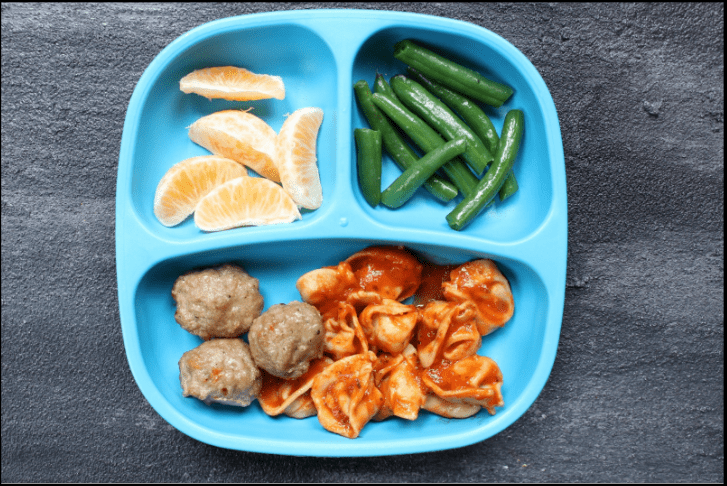
- Use Colourful Plates: Visual appeal matters. A plate with a mix of colors can make meals more enticing for toddlers.
- Offer Nutrient-Dense Snacks: Swap chips and sweets for fruit slices, cheese cubes, yoghurt, or homemade granola bars.
Quick and Healthy Meal Ideas
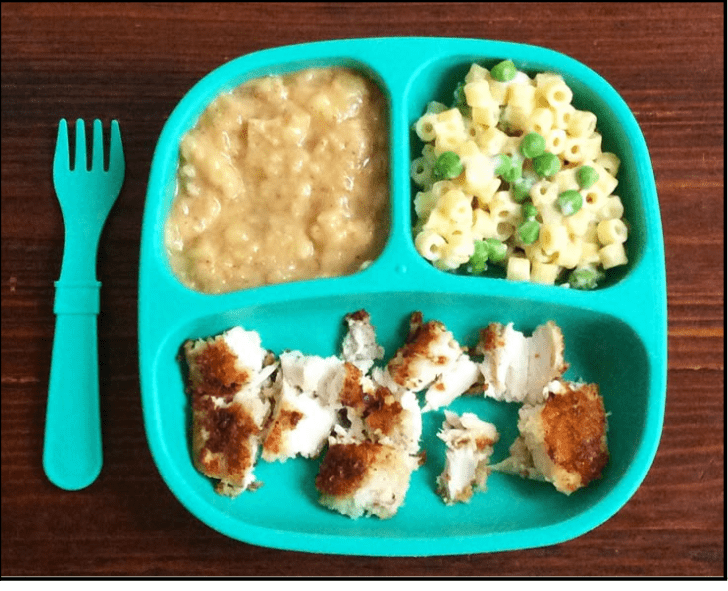
Creating meals that are both nutritious and appealing can be tricky. Quick recipes that toddlers love are helpful for busy parents. For example, mini vegetable omelettes, chicken and vegetable skewers, or fruit and yoghurt parfaits are all excellent options.
If you’re looking for more inspiration, there’s a fantastic collection of tasty and speedy recipes for toddlers that are simple to prepare and full of flavour. These recipes can help make mealtimes less stressful while ensuring your child gets the nutrients they need.
Overcoming Picky Eating
Picky eating is a common challenge. Here are some strategies to encourage your toddler to try new foods:
- Stay Positive: Avoid forcing or bribing your child. Encourage tasting with praise rather than pressure.
- Offer Choices: Provide two options instead of one to give them a sense of control.
- Repeat Exposure: Toddlers may need multiple exposures to accept a new food—sometimes 10–15 tries.
- Keep Mealtimes Relaxed: Avoid distractions like TV and focus on enjoying the meal together.
Consistency, patience, and a calm approach are key to gradually expanding your toddler’s food preferences.
Hydration Matters
Toddlers can forget to drink enough fluids. Water should be the primary drink offered, while milk provides essential calcium and vitamin D. Limit sugary drinks to occasional treats. Offering water in small cups or fun bottles can encourage regular intake.
Adapting Schedules as Your Toddler Grows
As toddlers become more active and social, their routines will naturally shift. Flexibility is important to accommodate developmental milestones, school or playgroup schedules, and changing appetites. Always keep an eye on portion sizes and nutrient balance, adjusting meals as necessary.
Making Mealtimes Fun
Turn mealtimes into an opportunity for learning and bonding. Talk about the colors, textures, and tastes of food. Involve your toddler in meal prep whenever possible. These small efforts can make food exciting and help develop healthy eating habits for life.
Encouraging Independence
Toddlers often want to feed themselves, even if it’s messy. Allowing them to use toddler-sized utensils and serving tools can promote independence and fine motor skills. Celebrate their efforts, even if they spill or mix foods in unexpected ways.
Supporting Healthy Growth
A structured yet flexible feeding schedule ensures toddlers receive the right nutrients while learning self-regulation. Pairing balanced meals with positive mealtime experiences helps foster a healthy relationship with food that can last a lifetime.

Making Mealtime Smooth and Enjoyable
By planning meals thoughtfully, creating a consistent schedule, and incorporating variety and fun, you can reduce stress around feeding your toddler. Using quick recipes, offering choices, and maintaining a relaxed environment are all part of making mealtimes a positive experience.
When you’re ready to explore more resources and ideas to support your toddler’s nutrition journey. Visit Piccolo for practical guidance, tips, and recipes to make feeding toddlers easier and more enjoyable for busy families.