
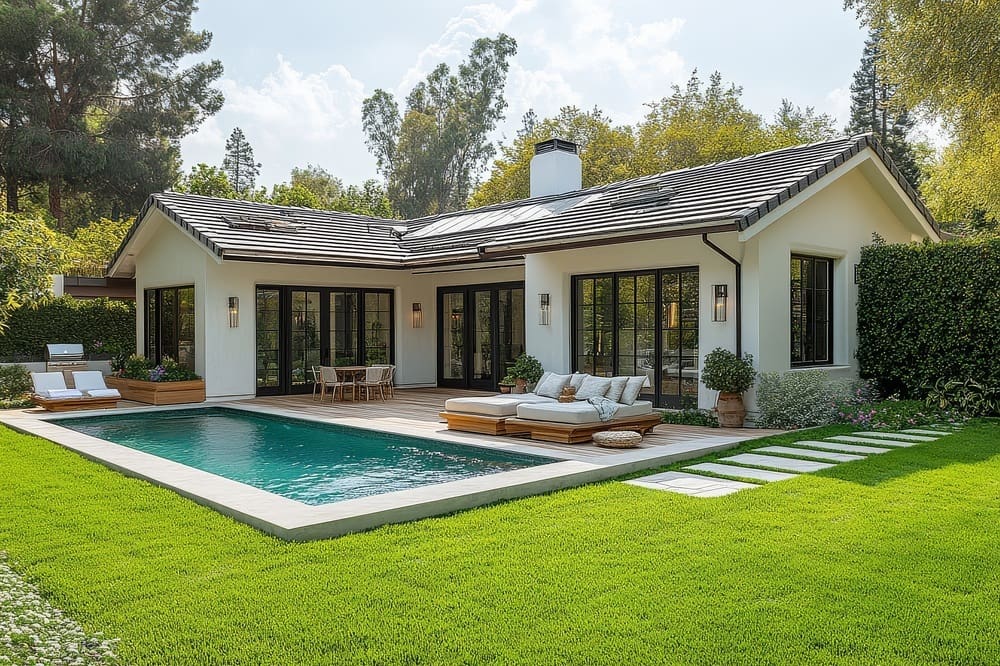
Modern homes are no longer defined solely by their interiors. Today, outdoor spaces play an equally important role in shaping how people live, relax, and entertain. Smart landscaping is transforming ordinary yards into functional extensions of the home, combining design, technology, and sustainability to create outdoor environments that are both practical and visually appealing.
Designing With Purpose and Functionality
One of the key elements of smart landscaping is intentional design. Instead of treating outdoor areas as afterthoughts, homeowners are now planning spaces based on how they will be used. Whether it is a quiet reading corner, a family gathering area, or a dining space, every section of the yard is designed with a purpose. This approach ensures that no space is wasted and every feature contributes to daily living.
Incorporating flexible layouts is also gaining popularity. Movable furniture, multi-use zones, and adaptable structures allow homeowners to adjust their outdoor areas based on changing needs, making the space more versatile throughout the year.
Integrating Smart Technology Outdoors
Technology has become a major influence in modern landscaping. Automated irrigation systems, for example, ensure that plants receive the right amount of water without manual effort. Smart lighting systems can be set to change the brightness based on the time of day or what’s being done, which is useful and nice to look at.
Homeowners are also using weather-responsive tools that adapt watering schedules or lighting based on environmental conditions. These innovations not only save time but also reduce resource consumption, making outdoor spaces more efficient and eco-friendly.
Embracing Sustainable Landscaping Practices
Sustainability is at the heart of modern landscaping solutions. More often, native plants that do well in the area’s temperature are used because they need less care and water. Rainwater harvesting systems and permeable paving are helping manage water usage effectively.
Instead of traditional lawns that demand constant care, many homeowners are opting for drought-tolerant plants, decorative gravel, or ground covers that offer greenery without excessive upkeep. These choices contribute to a more environmentally responsible outdoor space while maintaining aesthetic appeal.
Creating Seamless Indoor Outdoor Connections
Modern landscaping focuses on blurring the boundaries between indoor and outdoor living. Large sliding doors, matching flooring materials, and coordinated color schemes help create a smooth transition from inside the home to the outside environment.
Fire pits, outdoor kitchens, and lounge places are quickly becoming must-haves. With these additions, homeowners can relax or have friends over without feeling cut off from nature. The idea is for the outdoor area to feel like an organic part of the house, not like a different room.
Enhancing Privacy Without Sacrificing Style
Privacy is an important consideration in outdoor design, especially in urban or suburban settings. Instead of traditional fencing alone, modern landscaping uses creative solutions such as vertical gardens, decorative screens, and strategically placed plants to create secluded spaces.
These elements not only provide privacy but also enhance the visual appeal of the yard. Layering greenery and incorporating natural barriers adds depth and character while maintaining a sense of openness.
Low Maintenance Solutions for Busy Lifestyles
With increasingly busy schedules, homeowners are seeking landscaping solutions that require minimal upkeep. Artificial turf, self-sustaining plant systems, and automated maintenance tools are helping reduce the time spent on yard work.
By working with experienced professional landscapers in Sandy Springs, homeowners can identify the best low-maintenance options suited to their property. These experts can design outdoor spaces that remain attractive and functional without demanding constant attention.
Adding Personalization and Unique Features
Personalization is what truly sets modern landscaping apart. Homeowners are incorporating custom elements such as water features, artistic pathways, and themed gardens to reflect their personal style. Outdoor lighting designs, unique plant arrangements, and customized seating areas make each landscape distinct.
These tailored features turn outdoor spaces into personal retreats where homeowners can unwind and express their creativity.
Conclusion
Smart landscaping solutions are redefining how outdoor spaces are designed and used in modern homes. By combining functionality, technology, sustainability, and personalization, homeowners can create environments that enhance both comfort and lifestyle. Any outdoor space can be turned into a smart, stylish, and fun addition to the house with some careful planning and the right skills.