

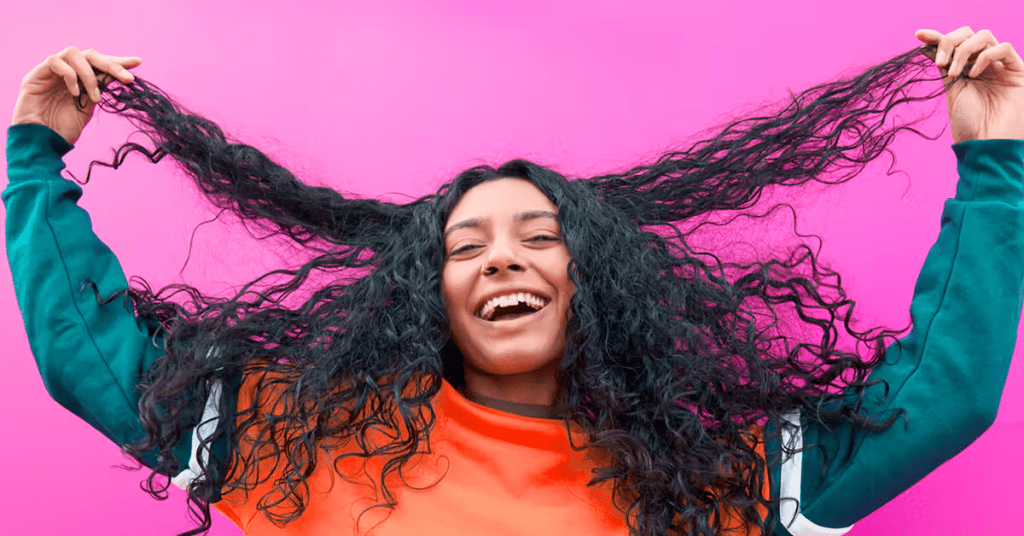
Healthy hair begins long before styling products, treatments, or trends. It starts at the scalp, where each strand is formed, nourished, and supported. Over time, daily habits play a significant role in determining whether hair remains strong, resilient, and vibrant or becomes prone to breakage, thinning, and dryness. Establishing smart haircare practices early can help maintain long‑term scalp and strand health, regardless of hair type or lifestyle.
A thoughtful approach to haircare is not about perfection. It is about consistency, awareness, and choosing habits that protect the foundation of healthy hair. With the right routines in place, you can support your scalp, preserve your strands, and feel confident in the overall health of your hair for years to come.
Prioritizing Scalp Health as the Foundation
A healthy scalp is essential for long‑term hair wellness. When the scalp is balanced, clean, and well‑nourished, it creates an ideal environment for strong hair growth. Many people focus on the appearance of their strands while overlooking the skin beneath, but scalp care is just as important as skincare.
Regular cleansing helps remove buildup from oils, styling products, and environmental pollutants. Using a gentle shampoo suited to your scalp type can prevent irritation and maintain a healthy moisture balance. Incorporating occasional exfoliation, whether through a mild scrub or a chemical exfoliant designed for the scalp, can also help remove dead skin cells and promote better circulation. These small steps support healthier follicles and more resilient hair over time.
Choosing Products That Strengthen Rather Than Strip
The products you use daily have a significant impact on the long‑term condition of your hair. Harsh cleansers, heavy silicones, and overly aggressive treatments can weaken strands and contribute to dryness or breakage. Selecting products that nourish and protect is key to maintaining strength and shine.
Look for shampoos and conditioners formulated with gentle surfactants, hydrating ingredients, and proteins that reinforce the hair’s structure. Leave‑in conditioners, serums, and lightweight oils can help seal in moisture and reduce friction during styling. When heat styling is necessary, always apply a heat protectant to minimize damage from high temperatures. Over time, these mindful choices help preserve elasticity, reduce split ends, and support healthier‑looking hair.
Adopting Gentle Styling Techniques
Styling habits can either support or undermine the health of your hair. Tight hairstyles, excessive brushing, and frequent heat styling can place unnecessary stress on strands and lead to long‑term damage. Adopting gentler techniques can make a noticeable difference in the overall resilience of your hair.
Opt for loose hairstyles that avoid pulling at the roots, especially if you wear your hair up frequently. Use soft, snag‑free accessories that minimize breakage. When brushing, choose tools designed to glide smoothly through the hair, and start detangling from the ends before working upward. If you enjoy experimenting with different looks, consider low‑heat or heat‑free styling methods to reduce cumulative damage. For individuals experiencing thinning or seeking added volume, exploring human hair topper options can offer a natural‑looking way to enhance fullness without placing additional strain on delicate strands.
Nourishing Hair from the Inside Out
External care is important, but long‑term hair health also depends on internal nourishment. Hair is made primarily of protein, and its growth is influenced by vitamins, minerals, and overall wellness. A balanced diet supports stronger, more resilient strands and contributes to a healthier scalp environment.
Nutrients such as biotin, zinc, iron, omega‑3 fatty acids, and vitamins A, C, and E all play roles in supporting hair growth and strength. Staying hydrated helps maintain elasticity and shine, while managing stress can reduce shedding associated with hormonal fluctuations. When internal and external care work together, the result is hair that looks and feels healthier over time.
Protecting Hair from Environmental Stressors
Environmental factors can have a cumulative effect on the health of your hair. Sun exposure, pollution, chlorine, and extreme temperatures can weaken strands and contribute to dryness or color fading. Incorporating protective habits into your routine helps safeguard your hair from these external stressors.
Wearing a hat or using UV‑protective hair products can shield strands from sun damage. Rinsing hair before swimming and applying a protective conditioner can help minimize the effects of chlorine or saltwater. During colder months, using richer moisturizers and avoiding excessive indoor heat can prevent dryness and static. These small adjustments help maintain the integrity of your hair throughout the changing seasons.
Conclusion
Long‑term scalp and strand health is built on consistent, thoughtful habits that support the natural needs of your hair. By prioritizing scalp care, choosing gentle products, adopting mindful styling techniques, nourishing your body, and protecting your hair from environmental stressors, you create a foundation for lasting strength and vitality. Healthy hair is not the result of a single product or routine, but a combination of smart choices that work together over time. With these habits in place, you can enjoy hair that looks and feels its best for years to come.
