
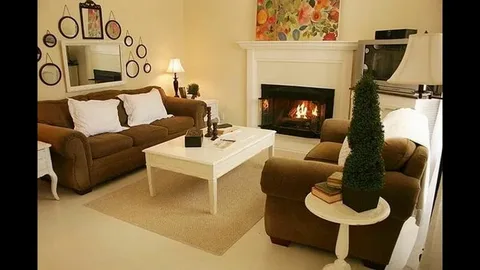
Designing a small living room can be challenging, but with the right approach, it’s possible to create a space that feels open, functional, and stylish. The key is to focus on thoughtful small living room ideas that optimize every inch without compromising on comfort or aesthetics. Proper layout planning, combined with smart décor choices such as living room rugs, can completely transform a compact space into a welcoming and efficient area.
Start with a Smart Layout Plan
The first step in maximizing a small living room is creating a layout that promotes both movement and functionality. Measure your room carefully and note areas where furniture can be placed without obstructing pathways. Open spaces are essential to make the room feel larger, so avoid overcrowding with unnecessary furniture.
Consider multifunctional furniture such as storage ottomans or nesting tables. These pieces not only serve practical purposes but also help maintain a clean and organized look. Arranging furniture against walls or in corners can create more open space in the center, enhancing flow and usability.
Choose the Right Furniture for Small Spaces
Furniture selection is crucial for small living rooms. Oversized sofas and bulky chairs can make a room feel cramped, while sleek, modular pieces can open up the space. Compact sofas, chairs with slim arms, and minimalist coffee tables work well in limited areas.
Storage-integrated furniture is especially helpful in small spaces. Cabinets, benches with hidden storage, and shelves can reduce clutter while keeping essential items accessible. A few carefully chosen statement pieces can also add character without overwhelming the room.
Use Living Room Rugs to Define Spaces
A living room rug is more than a decorative element—it can define zones and add warmth to your space. In a small living room, rugs help anchor furniture and create visual boundaries between seating, reading, and entertainment areas.
Select rugs that fit the scale of your room. Large rugs can unify the furniture arrangement, while smaller rugs can highlight specific zones. Patterns and textures can also add depth, making your space appear larger and more inviting. Light-colored rugs are especially effective in brightening the room, whereas darker tones add contrast and a cozy feel.
Maximize Vertical Space
When floor space is limited, vertical space becomes invaluable. Tall bookshelves, wall-mounted storage, and floating shelves can help store and display items without cluttering the floor. These solutions also draw the eye upward, creating a sense of height and openness.
Wall-mounted lighting or sconces are another smart solution. They free up floor space that would otherwise be occupied by lamps, while providing essential illumination for reading or ambiance.
Incorporate Mirrors and Light
Mirrors are a powerful tool for small living room ideas. Strategically placed mirrors reflect light and create the illusion of a larger, more open space. Large wall mirrors or mirrored furniture surfaces can visually double the room’s size, making it feel brighter and more airy.
In addition to mirrors, natural light should be maximized. Avoid heavy drapery and opt for sheer curtains or blinds that allow sunlight to fill the room. Adequate lighting, combined with reflective surfaces, can significantly enhance the perception of space.
Organize and Declutter Effectively
A small living room can quickly feel chaotic if clutter accumulates. Effective organization is essential for maintaining functionality and visual appeal. Use baskets, trays, and storage boxes to keep items neatly tucked away. Minimalist décor with fewer items on display can also create a cleaner, more spacious environment.
Here are a few organizational tips for small living rooms:
- Opt for furniture with hidden storage compartments
- Keep surfaces like coffee tables and shelves uncluttered
- Rotate decorative items seasonally to avoid overcrowding
- Store seldom-used items in cabinets or under seating
Add Personal Touches Without Overcrowding
Even in a small space, personalization is important. Carefully chosen décor items such as framed art, cushions, and plants can make the room feel welcoming and lived-in. Avoid excessive accessories that take up space and create visual clutter.
A balance between aesthetics and practicality ensures your living room remains functional while reflecting your personality. Accent walls or subtle color schemes can also enhance the sense of depth without overwhelming the room.
Final Thoughts
Designing a small living room is all about maximizing functionality without sacrificing style. By implementing smart small living room ideas, selecting the right furniture, and using living room rugs to define spaces, you can create a comfortable and visually appealing environment. Incorporating vertical storage, mirrors, and careful organization further enhances the usability of your space. With thoughtful planning and design, even a compact living room can become a stylish and efficient hub of your home.
Read more blogs