
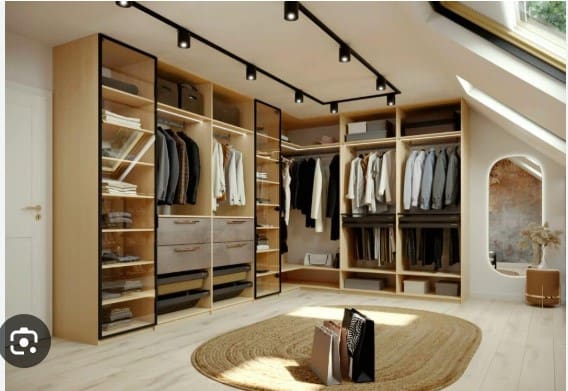
Every home has corners that never quite work. The spot behind the bedroom door, the stretch of wall at the end of a hallway, the awkward recess beside a window. Sliding wardrobes can turn those forgotten areas into custom storage that matches the interior. These wardrobes don’t demand extra floor space or force furniture to move. They sit flush, glide quietly, and hide what doesn’t need to be seen. Some stay simple, others are built to exact measurements, but all good sliding wardrobe designs make smarter use of space.
Bedrooms That Breathe
A standard bedroom layout leaves only narrow walkways around the bed. With a hinged wardrobe, the doors swing into that space and make it feel even smaller. Sliding panels fix that, and an entire wall can become storage from end to end. You just open a door, pick what you need, and close it again without stepping sideways.
Couples often divide the interior down the middle. One side for hanging clothes, the other for drawers and folded pieces. A mirrored panel can double as a dressing mirror. It also catches light during the day and helps smaller rooms feel more open. Some homeowners add integrated lighting, motion-sensor LEDs, or pull-out trays for accessories to make daily routines easier. These small upgrades can transform a simple wardrobe into a functional feature, enhancing both aesthetics and usability.
Making Hallways Useful
Hallways collect clutter faster than any other space. Shoes, coats, umbrellas, bags, they all land near the front door. A shallow sliding wardrobe along one wall can hold all the clutter without sticking out further than a console table. Shelves near the base fit shoes, mid-level hooks keep jackets off chairs, and a high shelf holds things you don’t need every day, like raincoats, scarves, or shopping bags. As the doors slide rather than open outward, they don’t block traffic. In tighter hallways, a sliding wardrobe keeps the space easy to walk through, even when its doors are open.
Adding slim drawers or pull-out baskets can further organise smaller items like gloves, keys, or umbrellas. By using every inch of the interior efficiently, a hallway wardrobe can replace multiple standalone storage units, freeing up valuable floor space and keeping the area looking neat.
For Kids and Shared Rooms
Children’s rooms are always half play area, half storage unit. A sliding design keeps it not only safer but tidier: no door edges to bump into, no handles catching on toys. Inside, adjustable rails can drop lower so kids can reach their own clothes, then move up later when they grow.
Families often add drawers for school uniforms and labelled bins for weekend gear to stop the usual morning scramble for shoes and jumpers since everything’s where it belongs. Some homeowners even incorporate a small built-in desk or bookshelf alongside the wardrobe to maximise space, combining storage and study in a compact footprint. Sliding panels mean kids can access their wardrobe without needing adult help, promoting independence and good habits.
How Price Follows Design
Every extra feature adds cost, but not always value. A two-door laminate wardrobe with plain interiors can do the job for small rooms. Adding soft-close drawers, lighting, or mirrored doors increases price but also comfort and convenience.
For example, a family in a narrow terrace might install one long wardrobe with four sliding panels and internal shelves to replace freestanding drawers. Someone renovating a studio apartment could fit a compact, two-door unit with a hanging rail and overhead shelf—less material, same benefit. Each design solves a different problem and comes with a different price tag, depending on the size, materials, and interior layout. Materials matter too: mirrored or glass panels often cost more than laminate, while custom timber or aluminium frames add durability and aesthetic appeal.
Thinking Beyond Bedrooms
Sliding wardrobes work anywhere clutter gathers. In a laundry, they can hide detergents and brooms. In a home office, they can disguise printers and cables. Under a staircase, short panels can conceal cleaning gear or seasonal wardrobe. The mechanism doesn’t change, only the proportions do. Sliding systems also allow homeowners to include accessories like pull-out ironing boards, shoe racks, or tie and belt organisers, making these spaces far more functional.
Turn Spare Space Into Storage
Think of the corners and walls that never earn their keep. That’s where sliding wardrobes prove their worth, fitted to your layout, not imposed on it. A wardrobe designer can help measure those spots and suggest finishes that blend into your rooms rather than stand out. A well-fitted wardrobe feels like it’s always been there, not something added later.
Investing in a sliding wardrobe is both practical and long-lasting. The design can evolve with your home: adjustable interiors accommodate changing needs, while durable sliding mechanisms ensure it will last for years. With careful planning, a sliding wardrobe can transform neglected spaces into organised, attractive storage that complements your home rather than competes with it.