
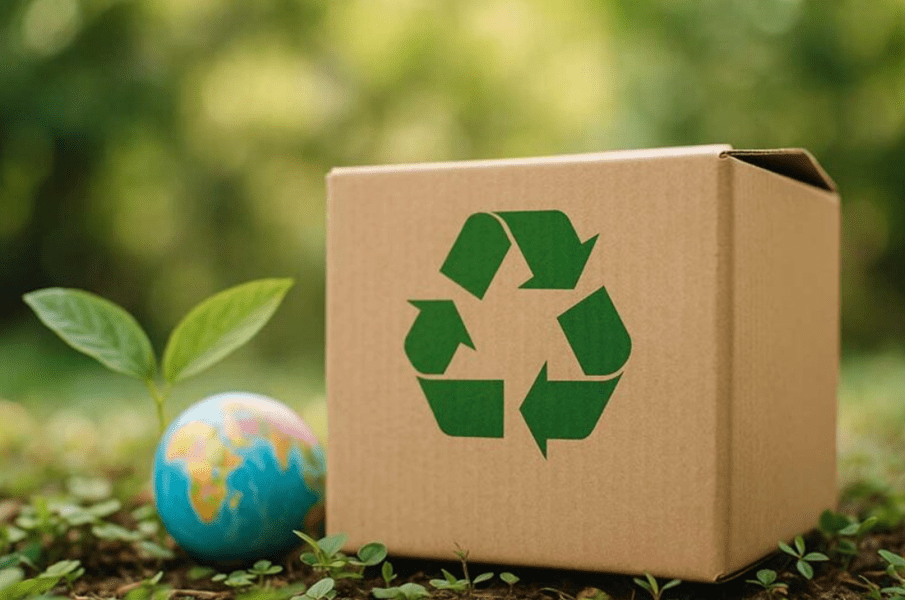
The contemporary business landscape is rapidly evolving towards sustainability, and companies are increasingly recognising the importance of eco-friendly practices. Shifting to eco-friendly packaging is not merely a trend but a necessity, as consumers become more environmentally conscious. The purpose of this article is to explore the significance of sustainable packaging solutions and the benefits they offer to businesses, the environment, and society as a whole.
The Rise of Green Packaging
As the world grapples with environmental challenges, such as climate change and pollution, there is a pressing need to reduce the carbon footprint of the products we consume. Traditional packaging materials, often made from non-renewable resources, contribute substantially to environmental degradation. Green packaging, on the other hand, utilises materials and processes that are less harmful to the environment, supporting a more sustainable economic model.
Benefits of Eco-friendly Packaging
Opting for eco-friendly packaging carries numerous advantages. For businesses, it enhances brand reputation and caters to the demands of eco-conscious customers. It also often involves innovation in design, which can lead to more efficient use of resources and reduced waste. Additionally, sustainable packaging may be more cost-effective in the long run due to the potential for recycling and reusability.
From an environmental perspective, eco-friendly packaging solutions help mitigate the impact on natural ecosystems. Reducing the reliance on single-use plastics and opting for biodegradable or compostable materials can significantly decrease pollution and the accumulation of waste in landfills. Ultimately, sustainable packaging plays a crucial role in the conservation of natural resources and biodiversity.
Socially, the shift towards greener packaging options can stimulate job creation in the sustainability sector and promote corporate social responsibility. It illustrates a company’s commitment to not just profit but also people and the planet. This holistic approach to business can contribute to a more sustainable and equitable society.
Challenges in Implementation
Transitioning to eco-friendly packaging can present challenges for businesses, particularly in terms of cost and supply chain adjustments. Initial investments may be higher, and sourcing sustainable materials can require new partnerships and logistics planning. Moreover, there may be regulatory hurdles and the need for rigorous testing to ensure that green packaging meets industry standards.
However, with the growing availability of sustainable materials and increasing technological advancements, these obstacles are becoming less daunting. More suppliers are rising to meet the demand for eco-friendly packaging, offering a wider range of options to businesses of all sizes.
Case Studies of Success
Many companies have successfully integrated sustainable packaging into their business models. These case studies serve as inspiration for other firms considering a similar transition. By examining the strategies employed by pioneers in sustainable packaging, businesses can learn valuable lessons about overcoming challenges and reaping the rewards of their green initiatives.
Understanding Consumer Expectations
Consumer expectations are a driving force behind the shift to eco-friendly packaging. Today’s customers are increasingly aware of the environmental impact of their purchasing decisions and are looking for products that align with their values. Businesses must understand these expectations and respond accordingly to maintain their competitiveness and relevance in the market.
Sustainable Packaging Materials
There is a wide range of sustainable packaging materials available, including recycled paper, plant-based plastics, and biodegradable foams. Each material has its unique properties and suitability for different types of products. The selection of the right material is crucial for balancing sustainability with functionality and aesthetics.
Designing for the Environment
Eco-friendly packaging design goes beyond the choice of materials. It involves considering the entire lifecycle of the packaging, from production to disposal. Design for the environment includes strategies such as reducing the amount of material used, making packaging easily recyclable or compostable, and minimizing the energy required for production and transportation.
Innovative design can also create a unique unboxing experience for the consumer, which enhances brand image and customer satisfaction. Thoughtful design choices can turn the packaging into an integral part of the product narrative, conveying a company’s commitment to sustainability.
Partnering with the Right Suppliers
Finding the right partner is instrumental in successfully implementing eco-friendly packaging. Businesses must work with suppliers who share their environmental values and can provide high-quality, sustainable packaging solutions. One such company demonstrating a commitment to sustainable practices is Claytons, which specializes in providing innovative packaging options that meet the evolving needs of environmentally-focused businesses.
Leveraging Technology
Advancements in technology are making it easier and more cost-effective to produce eco-friendly packaging. Digital printing, for example, allows for more efficient, smaller production runs, reducing waste and inventory requirements. Cutting-edge materials science is leading to the development of new, more sustainable materials that perform as well as or better than traditional packaging.
Regulatory Compliance
Adhering to environmental regulations is vital when transitioning to sustainable packaging. Countries and regions have different standards and requirements to ensure the safety and sustainability of packaging materials. Businesses must familiarise themselves with the relevant legislation to avoid non-compliance penalties and to stay ahead of the competition. In conclusion, the shift towards eco-friendly packaging is an investment that can bring a wealth of benefits, from enhanced brand loyalty to a healthier planet. While challenges exist, they are increasingly surmountable as technologies improve and consumer demand for green solutions grows. By embracing innovative materials, thoughtful design, and responsible suppliers like Claytons, businesses can not only meet the aspirations for sustainability but lead the way towards a greener future.