
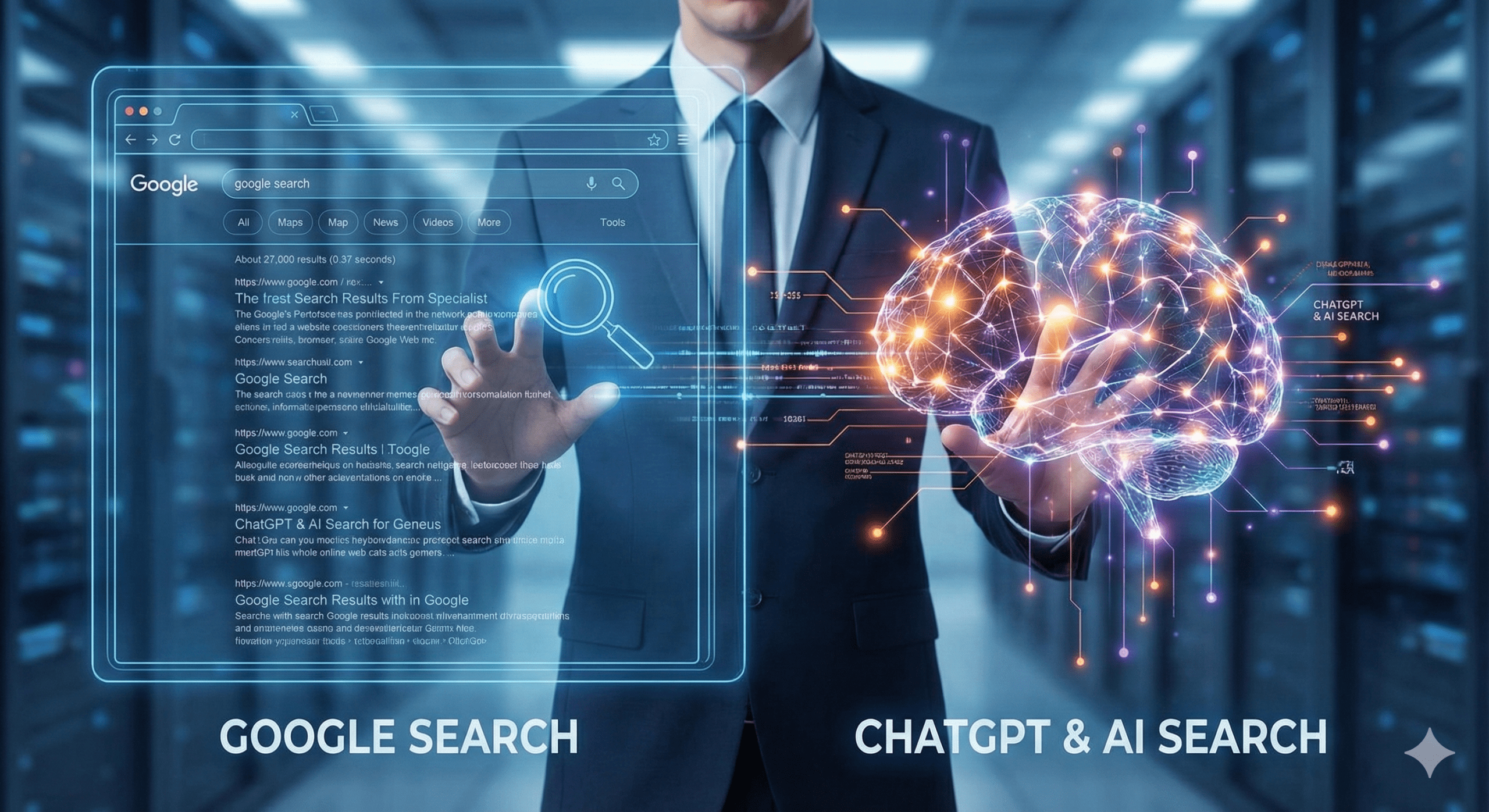
Search visibility is breaking in two directions.
On one side, Google still drives demand. On the other, ChatGPT, Gemini, and answer engines are deciding what gets mentioned at all. Rankings alone no longer guarantee visibility.
This creates a real risk. Brands that rely only on traditional SEO are slowly disappearing from AI-generated answers.
The solution is not “more SEO.” It’s a new role: the SEO & AI Search Specialist—someone who understands how both search engines and LLMs retrieve, evaluate, and surface content.
What Is an SEO & AI Search Specialist in 2026?
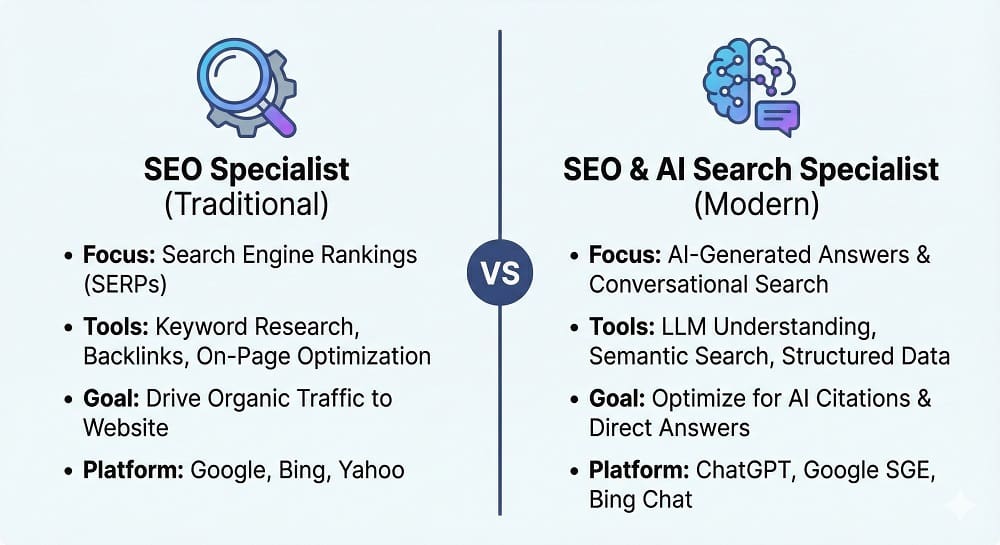
An SEO & AI Search Specialist optimizes websites for traditional search engines and AI answer engines. The role combines entity-based SEO, semantic content, structured data, and authority building so brands are ranked, referenced, and trusted by Google and tools like ChatGPT.
This role exists because AI search does not work like classic SEO. And it never will again.
How AI Search Engines (Google, ChatGPT & Others) Really Work
From Keywords to Entities: How AI Understands Queries
Search engines no longer see pages as text blobs.
They see:
- Entities (people, brands, topics)
- Relationships between those entities
- Context behind the query
Google’s Knowledge Graph and AI systems connect concepts, not keywords. If your brand is not an entity, visibility collapses.
How LLMs Retrieve and Generate Answers
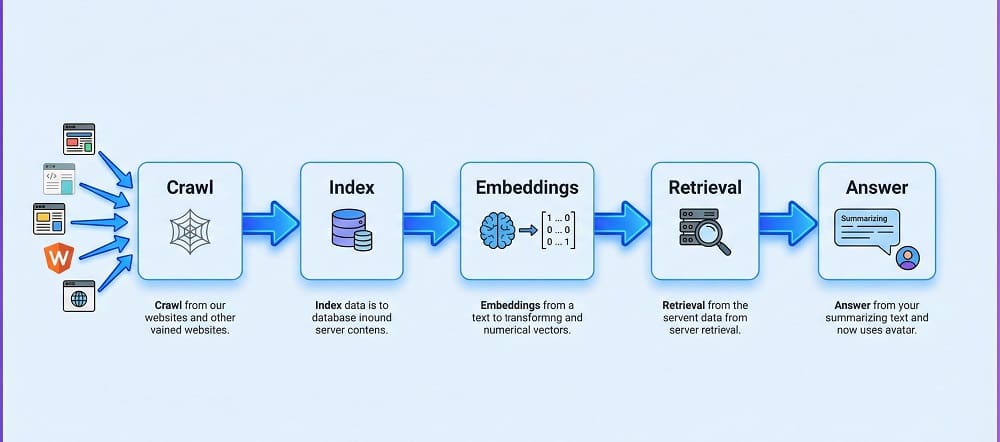
Large Language Models don’t “search” the web live.
They rely on:
- Indexed sources
- Vector embeddings
- Retrieval-Augmented Generation (RAG)
Content is broken into meaning-based chunks. Relevant chunks are retrieved. Answers are generated from trusted patterns.
This explains why some sites get cited repeatedly—and others never appear.
SEO vs AI Search Optimization: What Changed and Why It Matters
Here’s the shift that most blogs miss.
| Traditional SEO | AI Search Optimization |
|---|---|
| Keyword-focused | Entity-focused |
| Ranking pages | Supplying answers |
| Backlink-driven | Authority-driven |
| Traffic-centric | Visibility-centric |
| SERP listings | AI citations |
AI search favors clarity, structure, and expertise. Not hacks.
How ChatGPT and AI Tools Choose Which Websites to Reference
Authority, Entities & Trust Signals
AI tools reference sources that show:
- Clear topical authority
- Strong E-E-A-T signals
- Consistent entity identity
This is why personal brands and expert-led sites perform well. A generic blog does not.
Content Structure That AI Can Understand
AI prefers content that is:
- Logically structured
- Explicit in definitions
- Supported by schema and clean HTML
Short sections. Clear answers. No filler.
This is where many “SEO-optimized” pages fail.

Why Businesses Need an SEO & AI Search Specialist (Not Just an SEO)
Hiring only for rankings is short-term thinking.
An SEO & AI Search Specialist helps brands:
- Appear in AI-generated answers
- Become a trusted source, not just a result
- Build authority that compounds over time
AI visibility influences buying decisions long before a click happens.
This is why modern search strategy is now a board-level concern.
The Skills That Define a True SEO & AI Search Specialist
Technical & Strategic Skill Set
A real specialist understands:
- Entity-based SEO
- Semantic content modeling
- Structured data and schema
- LLM behavior and retrieval logic
Tools matter. Strategy matters more.
Strategic Thinking Beyond Rankings
The goal is not traffic alone.
The goal is:
- Being the best answer
- Being the most referenced
- Being the most trusted entity
This mindset separates specialists from tacticians.
How to Future-Proof Your Website for Google & ChatGPT in 2026
Future-proofing is about alignment, not tricks.
Focus on:
- Topic depth, not content volume
- Entity clarity across your site
- Answer-focused content blocks
- Expert authorship and brand signals
This is exactly the approach we apply at https://khalidseo.com/, where SEO is built for humans and machines.
Final Verdict: Winning Search in 2026 Is About Being the Best Answer
Search is no longer a ranking contest.
It’s an authority contest.
The brands that win are understood, trusted, and cited by both Google and AI systems. That is the work of an SEO & AI Search Specialist—not yesterday’s SEO model.
FAQ: SEO & AI Search Specialist
What does an SEO & AI Search Specialist do?
An SEO & AI Search Specialist optimizes websites for both search engines and AI answer tools by focusing on entities, authority, and structured content.
They ensure brands are discoverable, citable, and trusted across Google, ChatGPT, and emerging answer engines.
How is AI search different from traditional SEO?
AI search prioritizes entities, intent, and context instead of rankings alone.
Instead of listing links, AI tools generate answers using trusted sources, which changes how visibility is earned.
Can ChatGPT recommend websites?
Yes, ChatGPT references websites it identifies as authoritative and semantically clear.
Sites with strong topical coverage, expert signals, and structured content are more likely to be cited.
How do you optimize content for AI answer engines?
You optimize by structuring content around entities, clear answers, and trust signals.
This includes schema markup, concise definitions, and expert-driven topical depth.
Is SEO still relevant in 2026?
Yes—but only when combined with AI search optimization.
Modern SEO includes answer engine visibility, brand authority, and entity-based strategies that extend beyond rankings.
