

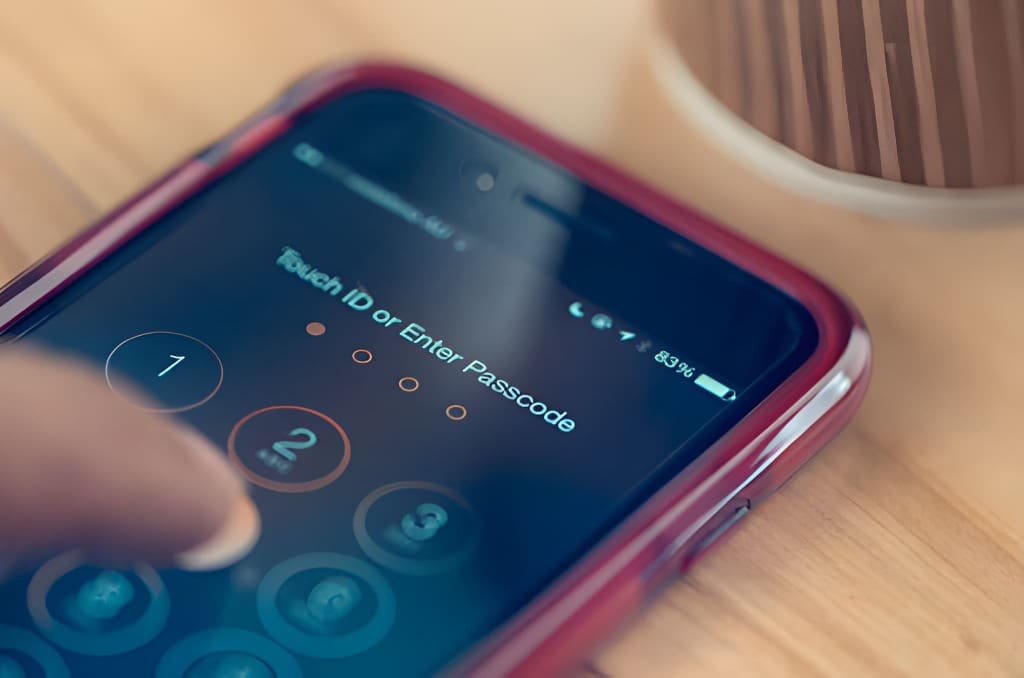
Have you ever stared at a sleek, expensive piece of technology that felt more like a very high-end paperweight than a smartphone?
You press the power button, the screen glows with that familiar Apple logo, and then you see the dreaded activation lock screen.
It feels like hitting a brick wall at sixty miles per hour.
Whether you bought a used device only to find out the previous owner forgot to sign out, or you found an old family phone in a drawer and can’t remember the password to save your life, you are not alone.
Most people think an iCloud-locked device is essentially trash. They assume that because they can’t get past the login, the phone has zero value.
But that is not true.
In the world of tech resale, even a device with a restricted software heart still has a lot of soul in its hardware.
You can absolutely get cash for it, but you have to know how to navigate the market without getting scammed.
What Does Being Locked Really Mean?
There are actually two types of locks that people often mix up.
First, there is the carrier lock. This is like a gym membership. Your phone is locked to a specific carrier, like Verizon or AT&T, until you pay off the contract. These are easy to deal with and often still worth a good chunk of change.
Then, there is the iCloud lock, also known as Activation Lock. This is a security feature Apple designed to make iPhones useless to thieves. It ties the hardware to a specific Apple ID. Without that ID and password, you cannot activate the phone to reach the home screen.
While this is great for security, it is a nightmare for legitimate owners who simply lost their credentials.
Since you cannot use the phone as a daily driver, the market for these devices is smaller, but it is very much alive.
Why Would Anyone Buy a Locked Phone?
You might be wondering why a business would want to sell locked iPhone inventory or buy one from you.
It comes down to the “sum of its parts.”
Consider it like a car with a blown engine. You can’t drive it to work, but the leather seats are pristine, the tires are new, and the doors are perfect. A mechanic can use those parts to fix five other cars.
iPhones are the same way. A locked iPhone 15 Pro Max still has:
- A stunning Super Retina XDR display.
- High-grade camera modules.
- A premium titanium chassis.
- Battery and internal sensors.
Repair shops and specialized recyclers crave these genuine Apple parts because they are often better than third-party replacements. This demand is what puts money back into your pocket.
How to Get the Best Price Possible
If you want to maximize your return, you cannot just walk into any pawn shop. Most general shops will turn you away because they lack the technical expertise to harvest the parts.
1. Know Your Model and Capacity
The newer the phone, the higher the value, even if it is locked. An iCloud-locked iPhone 16 is worth significantly more than a fully functional iPhone 11. Why? Because the parts for the newer models are much rarer and more expensive for repair shops to source.
2. Be Honest About the Condition
Does the screen have a tiny scratch? Is the frame bent? When you sell locked iPhone units, the physical condition is everything. Since the software is a “no-go,” the buyer is focusing solely on the physical components. If the screen is mint, mention that! It is the most valuable part of the device.
3. Skip the Online Auctions
Places like eBay can be a literal minefield for locked devices. You might get a high bid, but then the buyer realizes they cannot bypass the lock and demands a refund. Or worse, you deal with savvy buyers who try to swap your good parts for broken ones and then return the phone.
4. Find a Specialized Local Buyer
In cities like Las Vegas, some specialized buyers focus entirely on the tough cases. They understand the value of the hardware and can provide a quote in 60 seconds. They do not care if it is carrier-locked, iCloud-locked, or even cracked. They see the value where others see a headache.
The Real-World Situation: A Success Story
Imagine a guy named Mike. Mike found his old iPhone 13 in a box while moving. He realized he had changed his Apple ID years ago and had no way of recovering the old one. He went to a big-box retailer, and they offered him zero dollars for a recycled device.
Instead of throwing it away, Mike looked for a local iPhone buyer. Because his screen was in perfect condition and his battery was healthy, he walked away with over a hundred dollars in cash.
That is a hundred dollars he would have literally thrown in the trash because he didn’t know the secret to parts value.
Industry Insights: The Resale Market in 2025
The secondary market for electronics is booming. In fact, statistics show that the used smartphone market is growing faster than the new phone market.
As new iPhones cross the $1,000 mark, people are looking for ways to repair their current devices rather than buy new ones.
This creates a massive pull for genuine parts, keeping the prices for locked devices surprisingly stable.
A Quick Checklist Before You Sell
Even if you can’t get past the lock screen, you should still do a few things:
- Clean the device: A clean phone always makes a better first impression.
- Find the IMEI: This is usually on the SIM tray or the back of the device. Professional buyers will need this to verify the phone isn’t reported as stolen.
- Charge it up: Buyers like to see the screen turn on and show the lock. It proves the display works.
Final Thoughts
Don’t let a forgotten password or a carrier contract hold your money hostage. Your device still has a story to tell,l even if it’s as a donor for someone else’s repair.
By choosing a local, reputable buyer who understands the Las Vegas market, you can turn that paperweight back into a stack of twenties.