
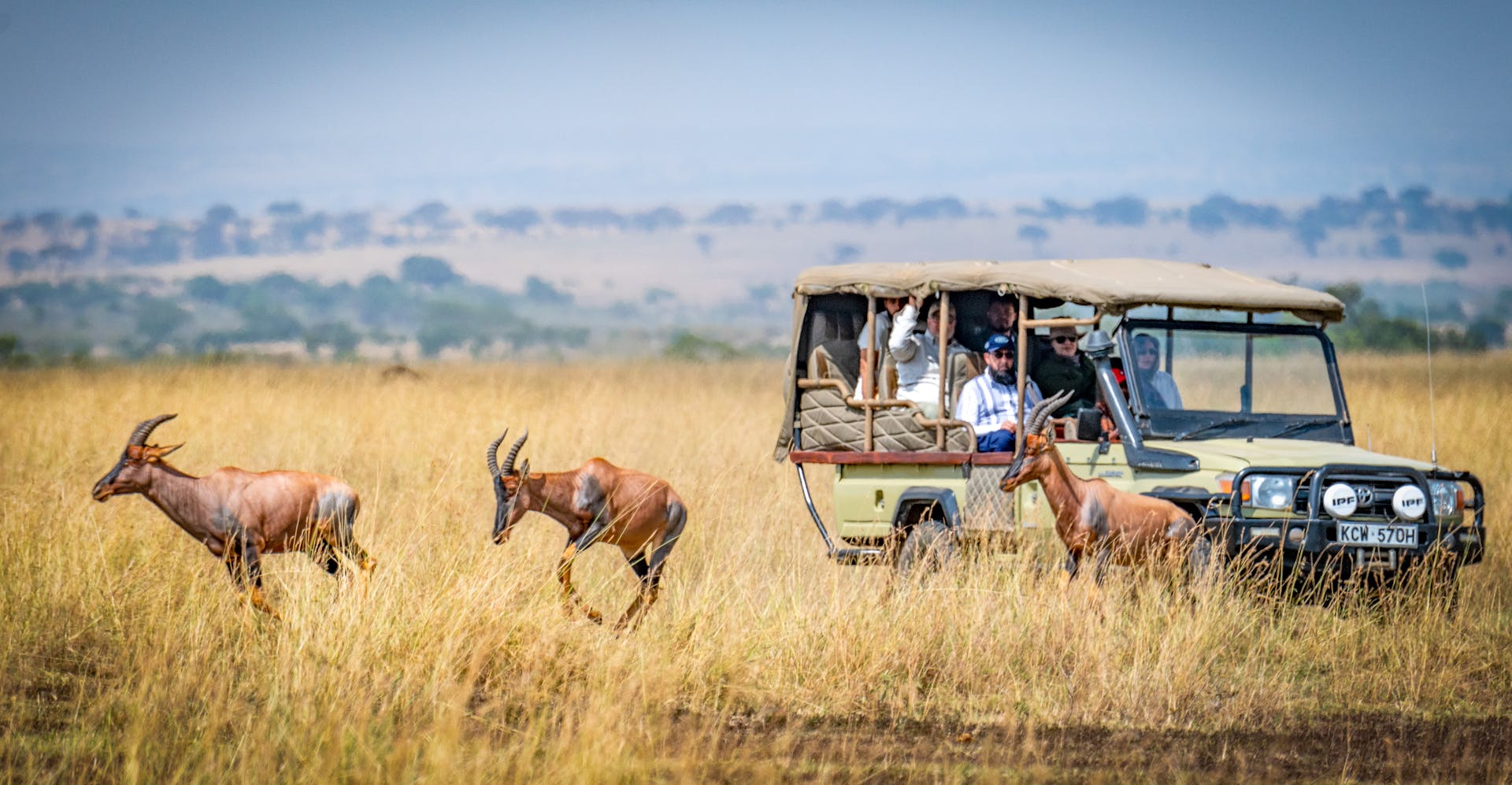
Independent tourists looking for flexibility, excitement, and a closer relationship with East African landscapes have long been drawn to self-drive safaris. Travel brochures are always dominated by peak-season safaris, but the shoulder season that lies between the low and the peak tourism periods offers an outstanding travel solution. With self-driving, during this time, an already wonderful trip turns truly remarkable because of the reduced crowds, breathtaking landscape, and superior value.
What is the shoulder season?
The shoulder season in East Africa typically hits between the dry season and the long rains (around May to June) and between the short rains and the months with the highest travel demand (around November to mid-December).
Despite striking a balance between accessibility and authenticity, these times are frequently disregarded because of weather-related concerns.
During this time, accommodations are more available and at discounted and attractive rates. The experience becomes more interesting, slower, and personal.
The landscapes are always striking as the rains leave the vegetation green, water bodies have more water volumes, and the skies look beautiful and dynamic, making the environment perfect for photography.
Wildlife is always easy to spot as they don’t get deep in the jungles to feed, and water is almost everywhere in the parks.
Why choose a self-drive during the shoulder season?
Self-driving enables travellers to explore at their own speed. This gives them flexibility to stay longer in a wildlife sighting or change routes depending on choice, which is not the case with scheduled or guided safaris that are restricted to movements (have fixed itineraries).
Additionally, self-drive travel encourages independence and a spirit of adventure. It can be very satisfying to independently go through national parks, study the terrain, and spot the animals. Such an encounter becomes even more intimate during the shoulder season, as fewer people visit and sightings are more frequent, making the experience more personal.
Advantages of self-driving in the shoulder season
Rich wildlife experiences
In Kenya and Tanzania, the most popular wildlife experience is the great wildebeest migration. Uganda and Rwanda mainly present gorilla tracking as a frequented wildlife adventure. February and March are the calving months for wildebeests and antelopes in the southern Serengeti and Masai Mara, where over 500, 000 calves are born, thus attracting predators. Additionally, the resident wildlife is easily sighted as they don’t easily concentrate on distant waterholes.
In Uganda and Rwanda, the shoulder season is characterized by moderate rainfall, which makes gorilla trekking possible. Though the park jungles are dense and the terrain a bit challenging, the gorillas are easily spotted after short treks as they don’t get too deep into the jungle.
Birding experiences during the shoulder season are so vibrant, as many resident and migratory birds can be spotted.
Fewer crowds
Popular parks in East Africa tend to be busy in the peak season, with many vehicles at a single sighting. The shoulder season is more personal as you may spend more time watching the animals perform their daily duties with less interruption, no radio chatters, no rush, just you in the wild.
Cost saving
The shoulder season comes with reduced park entrance fees in some parks, rental companies offer discounts for vehicle rentals, and accommodations are always cheaper. This makes your self-drive safari more convenient and affordable.
Scenic beauty
The post – rain period (shoulder season) transforms the East African park vegetation into a lush paradise, creating a breathtaking scene of rolling hills, flourishing vegetation, and spectacular skies, making photography worthwhile.
Challenges to consider when self-driving in the shoulder season
Self-driving in the shoulder season in East Africa may be a bit challenging in the following ways.
Road conditions: Roads outside cities and towns tend to be muddy, some with potholes that are filled with water. This calls for the use of a reliable 4×4 vehicle.
Navigation: driving in remote areas requires the use of offline maps because the GPS may be inaccurate. It’s also necessary to fuel your vehicle fully before setting off for long drives, as there may be no fuel stations in some areas.
Weather variations: The shoulder season is characterised by weather changes. At times, deep mud, flashy storms which cause floods, some areas get misty, creating invisibility in some areas, and sudden showers. These should not interrupt your adventure as they last for a short time.
Border crossing and traffic rules: As a self-drive safari traveler across East Africa, you ought to know that each country has its travel rules and regulations. You must have clear personal and vehicle documentation, obtain the required permits, Insurance (COMESA), manage traffic rules, driving speed, and the driving side in each country.
Wildlife and livestock; Be aware of livestock while outside the parks, especially in the rural areas, particularly in the evening. Avoid driving at night.
Inside the national parks, animals have a right of way, and they should be respected. Listen and follow the guidance of your park rangers.
Best self-drive travel destinations in the shoulder season in East Africa
Uganda: The western region and the Kidepo valley.
Though these areas are remote, November to early December are so convenient for wildlife viewing in Queen Elizabeth National Park and Kidepo Valley National Park. With your standard 4×4 safari vehicle, you can enjoy what these parks have to offer. Gorilla tracking in Bwindi and Mgahinga National Parks is done all year round, making it possible in the shoulder season.
Rwanda: Akagera national park, Nyungwe national park, and Volcanoes national park.
Akagera national park offers classic game drives, Nyungwe national park for chimpanzee tracking, forest experiences, and canopy walk, and gorilla tracking safaris in Volcanoes national park. All activities can be done in the shoulder season.
Kenya: Masai Mara and Amboseli
The Masai Mara region provides fewer crowds of tourists in the shoulder season, making wildlife viewing very scenic. In November, there are plenty of resident wildlife after the great migration. Migratory birds also arrive, making the park spectacular for birders. The Amboseli region is so convenient for self-drives against the backdrop of Mount Kilimanjaro.
Tanzania: Serengeti, Tarangire, and Ngorongoro (The Northern circuit)
All these iconic parks offer successful wildlife adventures in the shoulder season due to their good infrastructure. The savannas are always green; birding can be done to its best, and the wildebeest migration is witnessed as the animals move back towards the central Serengeti plains.
Self-drive safaris in East Africa offer a more affordable, genuine, and immersive experience. The combination of adventure, peace, quiet, and breathtaking scenery makes it a deeply meaningful and intimate travel experience. Ready to plan your self-drive adventure in the shoulder season in East Africa, Active African Vacations Ltd, a reliable safari and self-drive tour agency, is ready to craft for you something excellent for a memorable East African self-drive safari in the shoulder season.