
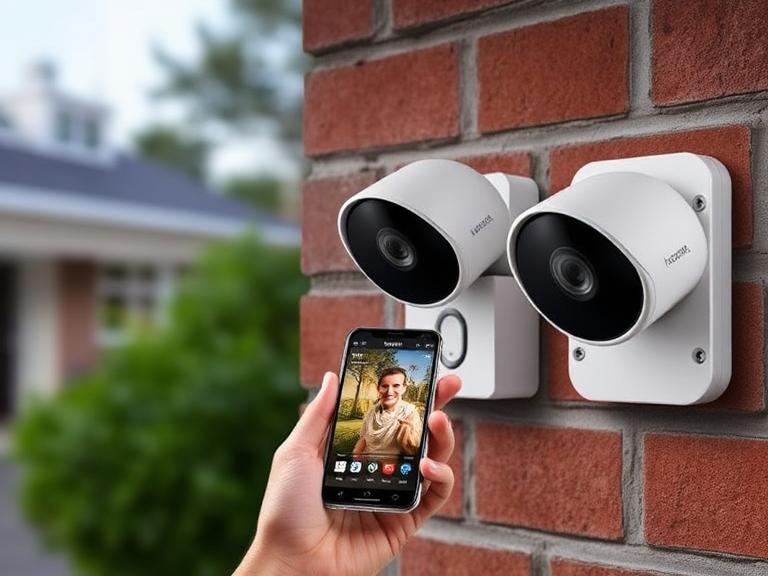
Ever wondered what’s really keeping your home or business safe while you’re away? Are you tired of worrying about break-ins, package theft, or unexpected visitors? What if you could check on your property from anywhere in the world with just a tap on your phone?
Smart security systems have transformed the way Australians protect their homes and businesses. Gone are the days of clunky alarm boxes and grainy CCTV footage that nobody ever checks. Today’s security technology is intelligent, connected, and surprisingly accessible. Whether you’re a homeowner wanting peace of mind or a business owner safeguarding your livelihood, these systems offer protection that actually works.
In this guide, we’ll explore everything you need to know about smart security systems. From understanding how they work to comparing DIY options with professional installation, we’ve got you covered. You’ll discover the best features for residential and commercial properties, learn about costs, and find out how to choose the right system for your specific needs. Let’s get stuck into the details and help you make an informed decision about protecting what matters most.
What Are Smart Security Systems and How Do They Work?
Smart security systems combine traditional security components with modern technology, creating an interconnected network that you can monitor and control remotely. Unlike older systems that simply triggered loud alarms, today’s smart setups use sensors, cameras, and intelligent software to detect threats and alert you instantly.
Key Components of a Modern Smart Security System
A typical smart security system includes several essential elements working together. Motion sensors detect movement in and around your property. Door and window sensors alert you when entry points are opened. Smart cameras capture high-definition footage, often with night vision capabilities. The central hub connects everything and communicates with your smartphone app.
Many systems also include smart doorbells with built-in cameras, allowing you to see and speak with visitors remotely. Glass break sensors, smoke detectors, and water leak sensors add extra layers of protection. The beauty of these systems lies in their integration—each component talks to the others, creating a comprehensive security network.
Wired vs Wireless Security Systems: Which Is Right for You?
Wired systems offer reliability and consistent power but require professional installation and can be tricky to modify later. They’re ideal for new builds or major renovations where cables can be hidden during construction.
Wireless systems, on the other hand, are flexible and easier to install. They’re perfect for renters or anyone wanting a DIY approach. Battery-powered components mean no drilling through walls, though you’ll need to monitor battery levels. Most Australians now opt for wireless systems due to their convenience and adaptability.
How Do Smart Security Systems Connect to Your Phone?
Your smart security system connects to your home Wi-Fi network, which then links to a cloud-based platform. Through a dedicated app, you receive real-time alerts, view live camera feeds, and control your system from anywhere. Some systems also offer cellular backup, so even if your internet drops out, you’ll stay connected.
Smart Security for Homes: Protecting What Matters Most
Australian homeowners face unique security challenges, from urban break-ins to rural property monitoring. Smart security systems address these concerns with features specifically designed for residential use.
Best Smart Home Security Systems in Australia
The Australian market offers numerous options, from budget-friendly DIY kits to premium professionally monitored systems. Popular choices include systems from established brands offering local support and Australian-compliant equipment. When selecting a system, consider factors like local customer service, warranty coverage, and compatibility with Australian smart home ecosystems.
Do Smart Security Systems Actually Deter Burglars?
Research consistently shows that visible security systems discourage would-be intruders. Burglars typically target easy opportunities—homes without obvious security measures. Smart cameras, motion-activated lights, and visible sensors signal that a property is protected. The ability to respond immediately to alerts adds another layer of deterrence.
Essential Features for Residential Security
For homes, prioritise features like smartphone alerts, two-way audio on cameras, and integration with smart locks. Cloud storage for footage is valuable, as is the ability to create automation rules. For instance, you might set lights to turn on when motion is detected after dark.
Are Smart Security Systems Worth the Investment for Homeowners?
Absolutely. Beyond the obvious security benefits, many insurance companies offer premium discounts for homes with monitored security systems. The peace of mind alone—knowing you can check on your home anytime—makes the investment worthwhile for most families.
Commercial Security Solutions: Safeguarding Your Business
Business security requirements differ significantly from residential needs. Higher foot traffic, valuable inventory, and employee safety concerns demand more sophisticated approaches.
Business Security System Requirements vs Home Security
Commercial systems typically require more cameras, advanced access control, and integration with existing business systems. You might need to monitor multiple entry points, track employee access, and store footage for longer periods. Scalability is crucial—your system should grow with your business.
How Much Does a Commercial Security System Cost?
Costs vary dramatically based on business size and requirements. A small retail shop might spend a few thousand dollars on a basic setup, while larger premises could invest significantly more. Consider both upfront costs and ongoing monitoring fees when budgeting. Many providers offer flexible payment plans to spread the expense.
Integrating Access Control with Smart Security
Modern business security goes beyond cameras and alarms. Access control systems using keycards, PIN codes, or biometric scanners integrate seamlessly with smart security platforms. This allows you to track who enters your premises and when, creating valuable audit trails and improving overall security management.
24/7 Monitoring: Is Professional Monitoring Necessary?
For businesses, professional monitoring often makes sense. A monitoring centre responds to alerts around the clock, contacting emergency services when needed. This is particularly valuable for businesses that operate outside standard hours or store high-value goods.
DIY Security Systems vs Professional Installation
One of the biggest decisions you’ll face is whether to install your system yourself or hire professionals.
Can I Install a Smart Security System Myself?
Many modern systems are designed specifically for DIY installation. Wireless components, adhesive mounts, and intuitive apps make the process straightforward. If you’re reasonably handy and comfortable following instructions, you can likely set up a basic system in a few hours.
When to Choose Professional Installation
Complex systems, large properties, or situations requiring hardwired components benefit from professional installation. Professionals confirm optimal camera placement, proper sensor coverage, and reliable connectivity. For businesses, professional installation often includes system configuration and staff training.
Smart Security Features That Make a Real Difference
Not all features are created equal. Some genuinely improve your security, while others are more about convenience.
Smart Cameras with AI Detection
Artificial intelligence has revolutionised security cameras. Modern systems distinguish between people, animals, and vehicles, reducing false alerts dramatically. Some can even recognise familiar faces, alerting you only to unknown visitors. This intelligent detection makes your system far more useful in practice.
Remote Monitoring and Real-Time Alerts
The ability to check your property from anywhere is genuinely life-changing. Whether you’re at work, on holiday, or simply in bed, you can view live feeds and receive instant notifications. Customisable alert settings let you focus on what matters most.
Integration with Smart Home Devices
Smart security systems often integrate with broader smart home ecosystems. Your security cameras might work with voice assistants, smart lighting, or automated blinds. This integration creates powerful automation possibilities—like having all lights turn on if an alarm triggers.
What Happens to Smart Security Systems During a Power Outage?
Quality systems include battery backup for the central hub, maintaining protection during outages. Cameras may have their own backup power, and cellular connectivity provides an alternative to Wi-Fi. When selecting a system, check what backup provisions are included.
Choosing the Right Smart Security System for Your Needs
With so many options available, selecting the right system requires careful consideration.
Questions to Ask Before Purchasing
Before committing, ask yourself: What am I primarily protecting against? How many entry points need monitoring? Do I need indoor and outdoor cameras? What’s my budget for both equipment and ongoing costs? Will I want to expand the system later?
Comparing Monthly Monitoring Costs
Monitoring subscriptions vary from basic cloud storage plans to comprehensive professional monitoring. Basic plans might cost around $10-15 monthly, while full professional monitoring could exceed $50. Consider what level of service genuinely matches your needs.
Scalability for Future Expansion
Choose a system that grows with you. Whether you’re planning home renovations or business expansion, your security system should accommodate additional sensors, cameras, and features without requiring a complete replacement.
Common Concerns and How Smart Security Addresses Them
Many people hesitate before adopting smart security. Let’s address some frequent worries.
Are Smart Security Systems Easy to Hack?
Reputable systems use encryption and secure connections to protect against hacking. Keep firmware updated, use strong passwords, and enable two-factor authentication. While no system is completely immune, following basic security practices makes breaches extremely unlikely.
Privacy Considerations with Smart Cameras
Privacy concerns are valid, particularly with indoor cameras. Position cameras thoughtfully, use systems with local storage options if cloud storage concerns you, and understand exactly how your footage is stored and who can access it.
False Alarms: How Modern Systems Minimise Disruption
AI detection, adjustable sensitivity settings, and smart verification processes have dramatically reduced false alarms. You can often customise exactly what triggers alerts, making your system both reliable and unobtrusive.
Taking the Next Step Towards Reliable Protection
Smart security systems represent a significant advancement in how we protect our homes and businesses. From AI-powered cameras to seamless smartphone integration, today’s technology offers protection that previous generations could only imagine. The combination of convenience, reliability, and genuine security makes these systems worthwhile investments for most Australians.
If you’re considering upgrading your setup, exploring advanced security systems in Churchill for homes and businesses can help you find tailored solutions that match your local needs and environment.
Whether you opt for a simple DIY setup or a comprehensive professionally monitored system, the key is choosing features that match your specific circumstances. Consider your property layout, your primary concerns, and your budget. Don’t forget to factor in ongoing costs and future expansion possibilities.
Ready to take action? Start by assessing your current security situation and identifying vulnerabilities. Research systems that fit your needs, read Australian user reviews, and don’t hesitate to request quotes from multiple providers. Your peace of mind is worth the effort—and with smart security technology more accessible than ever, there’s never been a better time to protect what matters most to you.
