
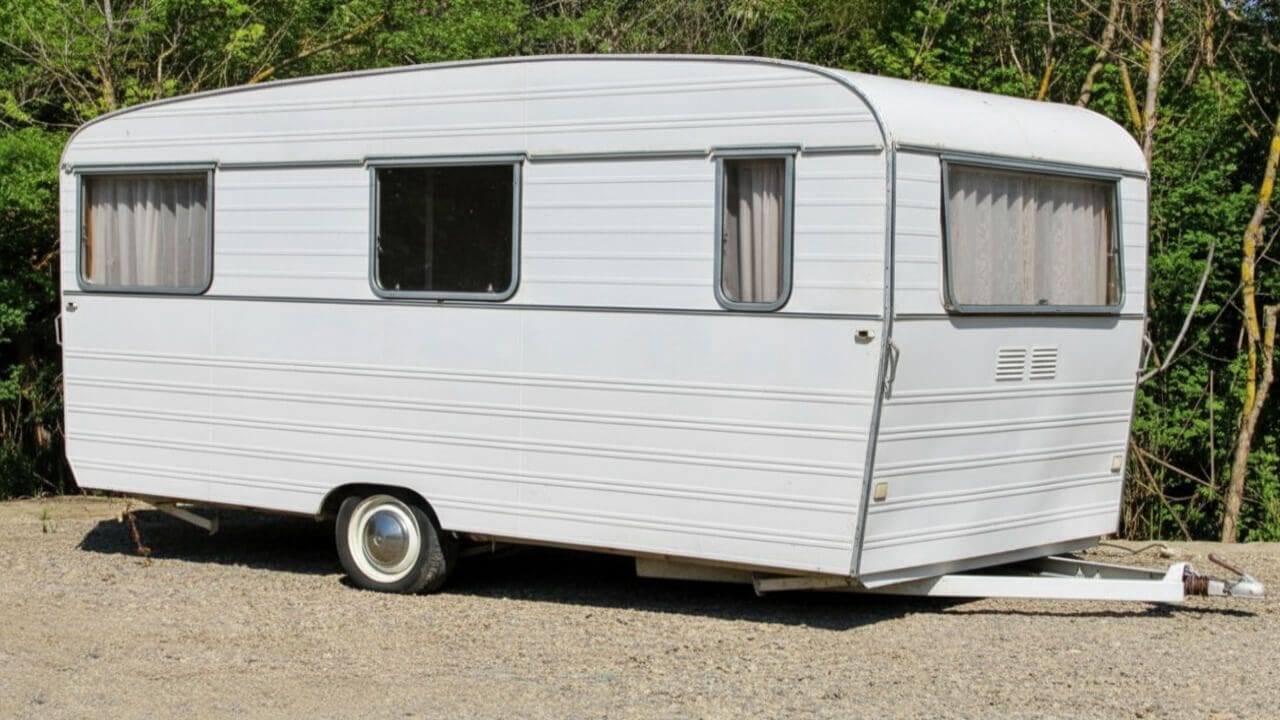
Getting rid of a caravan? You’ve got two main routes: scrap it (turn it into cash quickly and responsibly) or sell it privately (potentially earn more money but with more effort and time). Below, I break down the tradeoffs, give practical checklists and templates, and help you pick the right path for your needs.
Quick overview
- Scrap the caravan: Best if the caravan is significantly damaged, unroadworthy, or you want a fast, low-hassle sale. Faster, less negotiation, usually includes free collection.
- Sell privately: Best if the caravan is in decent condition (or fixable), you have time to market it, and you want to maximise the sale price. Requires more effort and patience.
Scrap Caravan vs. Sell Privately (pros & cons)
Scrap Caravan
- Pros: Fast turnaround, low effort, often free pickup, instant paperwork help, and environmentally responsible disposal.
- Cons: Usually lower payout than private sale, limited buyers, and less transparency on parts resale.
Sell Privately
- Pros: Potentially higher price, you control the sale, and you can target specific buyers (campers and restorers).
- Cons: Time-consuming, you manage viewings & negotiations, risk of scams, may require repairs or cleaning to achieve good price.
Key factors to consider
1. Condition and repair cost
Scrapping is usually more sensible if repair costs are high (structural damage, significant water ingress, rotten chassis). Selling privately can be profitable if it needs a cosmetic refresh or minor fixes.
2. Time and effort you’re willing to invest
Selling privately requires photos and listings, answering enquiries, arranging viewings, possibly allowing test tows, and handling negotiations. If you need it gone quickly, scrap it.
3. Expected price vs. hassle
Private selling often yields a higher headline price, but subtracts time, repair costs, and the possibility of no-shows or lowball offers. Scrap yards provide immediate cash, usually the quickest real net outcome.
4. Legal and paperwork
Both options require proper transfer/documentation. Scrap yards often help complete deregistration and provide receipts. For private sales, complete the appropriate transfer forms, give a receipt, and remove insurance and registration where required.
Step-by-step for each route
If you scrap your caravan
- Get quotes from 2–3 licensed scrap yards or caravan recyclers.
- Ask about free collection/towing and what paperwork they provide (certificate of destruction or receipt).
- Remove personal items and valuables, drain gas, water, fluids, and disconnect the battery.
- Confirm price and pickup time in writing (text/email).
- Keep the receipt and any deregistration paperwork for your records and insurer’s.
If you sell privately
- Clean and photograph the caravan, good photos raise trust and price.
- Be honest in the description (about damage, moisture, or any outstanding repairs).
- Create listings on multiple platforms (local classifieds, caravan forums, Facebook Marketplace, specialist sites).
- Set a realistic asking price with a small room for negotiation.
- Pre-screen buyers, arrange safe viewings (daytime, public place, or with a friend), and require proof of funds for serious buyers.
- Complete transfer documents, provide a signed receipt, and remove the caravan from insurance.
Fraud prevention (important)
- Never accept cheques from unknown buyers; prefer bank transfer or cash.
- For collections, verify the buyer’s identity and confirm payment before handing over keys.
- For private sales, arrange test tows only with proof of driving license and insurance; accompany the buyer.
Final recommendation
Going with scrapping the caravan is best if you prioritise speed, minimal hassle, and responsible recycling. If you prioritise money, your caravan is in reasonable condition (or fixable), and you can handle listings and viewings, selling privately is often the better route.
