
Life gets loud. Screens glow late. Calendars fill. Even the good things—training for a run, chasing the kids around the yard, lifting a little heavier than last week—can leave you feeling wrung out the next morning.
Then there’s that moment: you step into warmth. A soft amber glow. Timber scent in the air. Your shoulders drop without you asking them to. You breathe in, slower this time, and the noise of the day fades to the edges.
If your muscles are sore, you’ve probably wondered: Is sauna actually helping… or just feeling nice? The honest answer is both—sometimes. Used well, heat can support recovery, ease stiffness, and help you reset.
And if you’re considering making it a home ritual, it’s worth seeing what’s resonating across Australia — the styles people actually live with, not just what looks good in a showroom. You can browse that overview here: Best-Selling Saunas on Major Australian E-Commerce Platforms. Used at the wrong time, though, it can irritate an injury or simply miss the mark.
Let’s make it simple.
Key takeaways
- Sauna can help with tightness, stiffness, and delayed-onset muscle soreness (DOMS)—especially 24–72 hours after training.
- Heat works best when you treat it as a recovery ritual, not a punishment.
- Sauna is not ideal for fresh injuries, swelling, or sharp pain—that’s when you choose a different approach.
- The sweet spot is usually 10–20 minutes, comfortable heat, steady breathing, then a calm cool-down.
- Hydration and listening to your body matter more than pushing your limits.
Why muscles get sore in the first place
Sore muscles aren’t always a problem to “fix”. Often, they’re a signal that you’ve asked your body to adapt.
Most everyday post-workout soreness is DOMS—discomfort that usually starts 12–24 hours after unfamiliar or hard exercise, tends to peak between 24–72 hours, and typically eases over the next few days. You might also feel soreness from stiffness (especially after sitting), or from doing something unfamiliar—gardening, hiking, a long drive, a surprise game of social tennis.
The key is the quality of the soreness:
- Dull, widespread ache after training? Often DOMS.
- Tight, restricted movement? Often stiffness.
- Sharp, pinpoint pain, swelling, bruising, or pain that changes your gait? That’s a different category.
And that’s where sauna can be either a gentle ally—or the wrong tool.
When sauna helps sore muscles
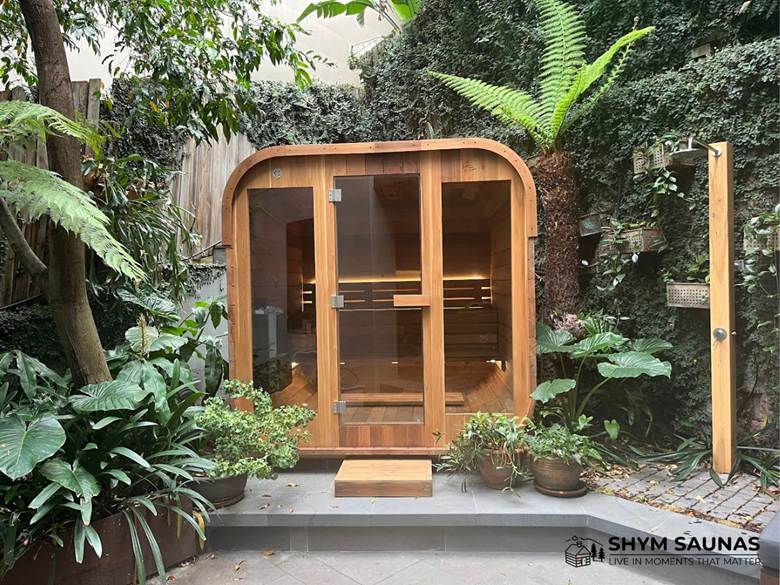
1) When you’re stiff and “locked up”
Heat encourages your muscles to relax. When you’re tight through the hips, back, shoulders, or calves, warmth can help you soften, move easier, and feel more like yourself again.
Think of sauna as a way to restore range, not force it.
2) When soreness is lingering (DOMS days)
For that heavy-leg feeling 24–72 hours after effort, many people find heat comforting. Research on heat-based therapies for DOMS suggests modest soreness-related pain relief in some contexts, but results vary — and the evidence for sauna specifically is mixed. Sauna often helps because it:
- boosts circulation (which can support the recovery process)
- reduces the feeling of tightness
- calms your nervous system (so you’re not carrying tension on top of soreness)
It doesn’t “erase” soreness overnight. But it can make the day feel more liveable—especially if you pair it with gentle movement and good sleep.
3) When stress is making recovery harder
Sometimes the sorest thing in your body is your pace. You move fast, think fast, scroll fast—then expect your muscles to recover on schedule.
Sauna shines here. It’s not just heat. It’s a pause. A breath. A reset. And recovery loves a calmer system.
When it doesn’t—and what to do instead
Sauna is warmth, and warmth isn’t always appropriate. If any of the below sound familiar, skip the heat session and choose a more supportive option.
Fresh injuries and inflammation
A common rule of thumb is to avoid heat while swelling is still active, often the first 48–72 hours after an injury—then consider heat later for stiffness.
Try instead: rest, gentle elevation, and professional guidance (a physio is gold). Cool compresses can feel soothing for some people in the first 24–48 hours, but your best move is often an assessment.
Sharp, focal pain or “something’s not right” signals
If pain is sharp, localised, or changes how you walk or lift—don’t sweat it out. Heat can mask pain and make you push when you shouldn’t.
Try instead: stop the aggravating movement, assess, and seek advice if it doesn’t settle quickly.
When you’re already depleted
If you’re dehydrated, hungover, unwell, or you’ve had an intense endurance session and you feel wiped, sauna can add stress. Heat is still stress—even when it’s enjoyable.
Try instead: hydrate, eat, nap, walk gently. Come back to sauna when you feel steadier.
How sauna supports recovery—without the hype
Here’s the grounded version.
Heat can:
- increase blood flow, supporting the delivery of oxygen and nutrients
- reduce the sensation of pain temporarily by relaxing tissue and shifting nervous system tone
- support relaxation—sauna is a heat stressor in the moment, but during the cool-down period your heart-rate variability can rise, which suggests a shift toward parasympathetic (rest-and-digest) activity after you step out.
It’s not magic. It’s not a shortcut. But it’s a beautiful assist—especially when it helps you slow down enough to recover properly.
How to use sauna well: a simple recovery ritual
This is where most people go wrong—they treat sauna like a test. Recovery shouldn’t feel like a punishment.
Aim for comfortably challenging, not overwhelming. You want to step out feeling clear, not crushed.
A calm, effective session looks like this
- Before: drink water, and have a small snack if you’re coming off training
- In sauna: settle your breathing first; let the heat meet you gradually
- After: cool down slowly, rehydrate, and give your body a few quiet minutes before jumping back into life
If you want to stretch, do it gently after the sauna when tissue feels warmer and you’re less guarded—no forcing end ranges.
Buyer’s checklist: your “use it well” step-by-step
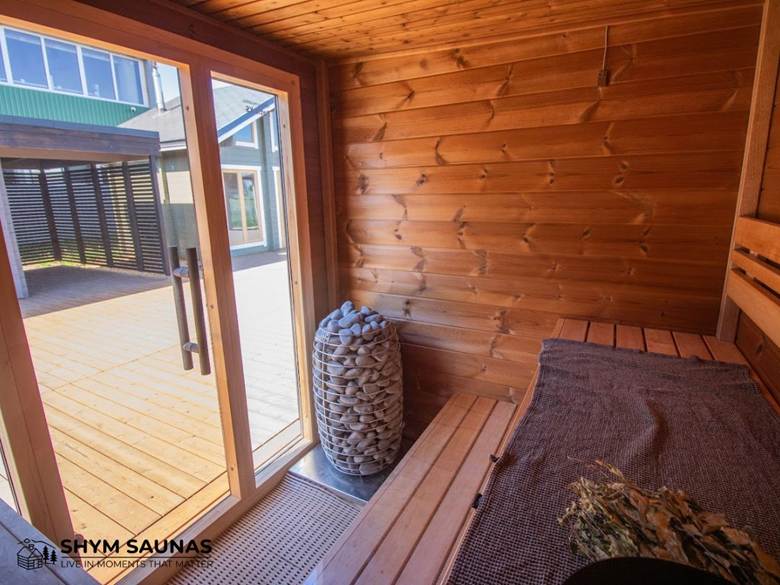
For sore muscles, follow this simple sequence:
1. Choose the right day
- Best: stiffness, DOMS days, post-workout later in the day
- Skip: acute injury, swelling, sharp pain, fever or illness
2. Set a sensible dose
- Start with 10 minutes if you’re newer to sauna
- Build to 15–20 minutes if it feels good
- More isn’t always better
3. Keep the heat comfortable
- You should be able to breathe through your nose most of the time
- If you’re dizzy, nauseous, or your heart feels like it’s racing—step out
4. Add a micro-mobility reset (optional)
- After sauna: 3–5 minutes of gentle movement
- Think: slow hip hinges, shoulder circles, ankle rolls, easy calf stretches
5. Cool down with intention
- A cool shower or fresh air
- Then a towel, a seat, a few slow breaths—let your system land
6. Rehydrate and replace
- Water first
- If you’ve sweated a lot, consider electrolytes (especially in summer)
7. Notice your next-day signal
- Better sleep? Easier movement? Less stiffness?
- That’s your body telling you the dose is right
What to consider if you’re building a home sauna routine
A home sauna works when it fits real life—when it’s easy to step into, not another project you postpone.
Look for:
- simple setup and intuitive use (you’ll use it more)
- materials and craftsmanship that feel warm and lasting
- weather-ready design if it’s outdoors
- clear support and warranty—because “easy to own” is part of wellbeing
Safety note
Sauna is generally well-tolerated for many people, but it’s still a powerful environment.
- Hydrate before, and rehydrate after.”
- Keep sessions to 5–10 minutes at first, building up to around 20 minutes if it feels comfortable. Avoid alcohol before or during.
- Avoid sauna if you’re unwell, heavily dehydrated, or under the influence of alcohol.
- If you’re pregnant, have cardiovascular concerns, or any condition affected by heat, check with a health professional first.
And always listen to your body. Quiet luxury should feel safe.
A better way to think about recovery
Sore muscles don’t need a harsh solution. They need space. Warmth. Consistency. And a little kindness.
That’s the deeper gift of sauna: it gives you a place to slow down—alone, or with the people you love. Artem & Elena created Shym Saunas with that human “why” in mind: a sanctuary that supports family time, tradition, and the kind of wellbeing that’s lived, not chased.
Heat, then calm. Quiet, then connection.
When you step out, you don’t just feel looser—you feel back in your body. And that’s often the point.
Ready to create your own sanctuary?