
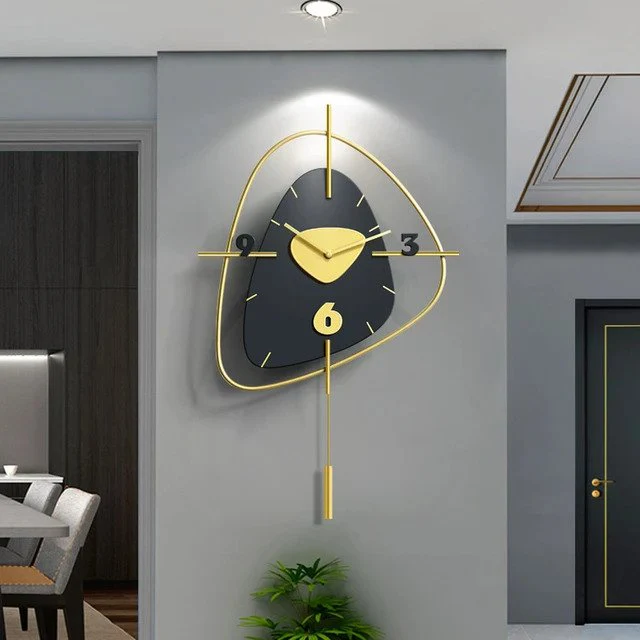
Picking the right clock for your child’s room isn’t just about looks. Safety matters more than you think. A wrong choice can lead to accidents. The right one? It teaches time while keeping your little one safe.
Parents often overlook clock placement. They focus on colors and cartoon characters. But what about the height? The material? These details make all the difference between a decorative piece and a potential hazard. This guide will help you choose the right kids room clock with safety and placement.
Smart Placement Strategies
Height matters tremendously. Mount clocks at your child’s eye level once they’re old enough to read time. For toddlers, place them higher—out of reach but still visible. This prevents climbing attempts.
Avoid placing clocks directly above the bed. If it falls during the night, your child could get injured. Choose a spot across from the bed instead. The dresser wall works perfectly. So does the area near the door.
Keep clocks away from play zones. Children throw balls. They swing toys around. A clock in the wrong spot becomes a target. Think about your child’s movement patterns. Where do they run? Where do they play most actively?
Choosing the Right Mounting Hardware
Weak hooks lead to fallen clocks. Use proper wall anchors. Not just nails. Drywall anchors distribute weight better. They hold firm even when walls vibrate from slammed doors.
Check the weight of your wall clock design before buying mounting hardware. Heavy clocks need toggle bolts. Light plastic clocks do fine with standard anchors. When in doubt, go stronger. It’s better to over-secure than under-secure.
Test your installation. Give the clock a gentle tug. Does it move? Fix it again. Don’t hang it until you’re confident it won’t budge.
Features That Enhance Safety
Silent mechanisms prevent noise-related issues. Loud ticking disturbs sleep. It also annoys children trying to concentrate. Look for quartz movements. They’re quiet and accurate.
Smooth edges are non-negotiable. Run your hand around the entire clock before purchasing. Feel any sharp corners? That’s a red flag. The best kids room clock options have rounded edges throughout.
Battery compartments should be secure. Toddlers are curious. They pry things open. A screwed-shut battery cover prevents access to small batteries that pose choking hazards. This simple feature can prevent emergency room visits.
Maintenance and Regular Checks
Clocks don’t stay secure forever. Check mounting hardware every three months. Tighten loose screws. Replace worn anchors. This takes five minutes but prevents accidents.
Clean clocks regularly. Dust accumulation makes them heavier. It also attracts curious hands. A quick wipe-down keeps them looking fresh and reduces temptation to touch.
Replace batteries promptly. Dying batteries make clocks run slow. Children lose trust in them. Worse, leaking batteries can corrode the clock mechanism and create toxic situations.
Why Decors Mantra Gets It Right
Finding the perfect balance between fun and safety isn’t easy. Decors Mantra understands this challenge. Their collection of kids’ wall clocks combines playful designs with practical safety features. They use durable plastics that survive childhood’s chaos.
Their designs range from simple analog faces to colorful cartoon characters. Each piece goes through quality checks. Parents don’t need to compromise between what their child wants and what keeps them safe. The variety means every child finds something they love. Every parent finds something they trust.
Conclusion
The right kids room clock does more than tell time. It decorates safely. It teaches responsibility. It grows with your child. By focusing on proper materials, smart placement, and regular maintenance, you create a safer environment. Your child learns time management without the risks that come from poor choices. Start with safety. Everything else follows naturally. Make informed decisions today. Your child’s wellbeing depends on these small but crucial details.
Frequently Asked Questions
Q: What’s the safest material for a kids room clock?
A: Plastic clocks are the safest option for children’s rooms. They’re lightweight and won’t cause serious injury if they fall. They also resist damage better when kids accidentally hit them during play.
Q: At what height should I mount my child’s wall clock?
A: For toddlers and young children, mount clocks 5-6 feet high—visible but unreachable. For school-age children learning to tell time, place them at their eye level, around 4-5 feet, so they can easily see the numbers.
Q: How often should I check if the clock is securely mounted?
A: Inspect your clock’s mounting hardware every three months. Check for loose screws, weakening wall anchors, or any signs the clock has shifted position.
Q: Are glow-in-the-dark clocks safe for kids?
A: Yes, modern glow-in-the-dark clocks are safe. They use phosphorescent materials that absorb light and release it slowly.
Q: Should I choose analog or digital clocks for my child’s room?
A: Analog clocks help children learn to tell time traditionally, which builds important cognitive skills.